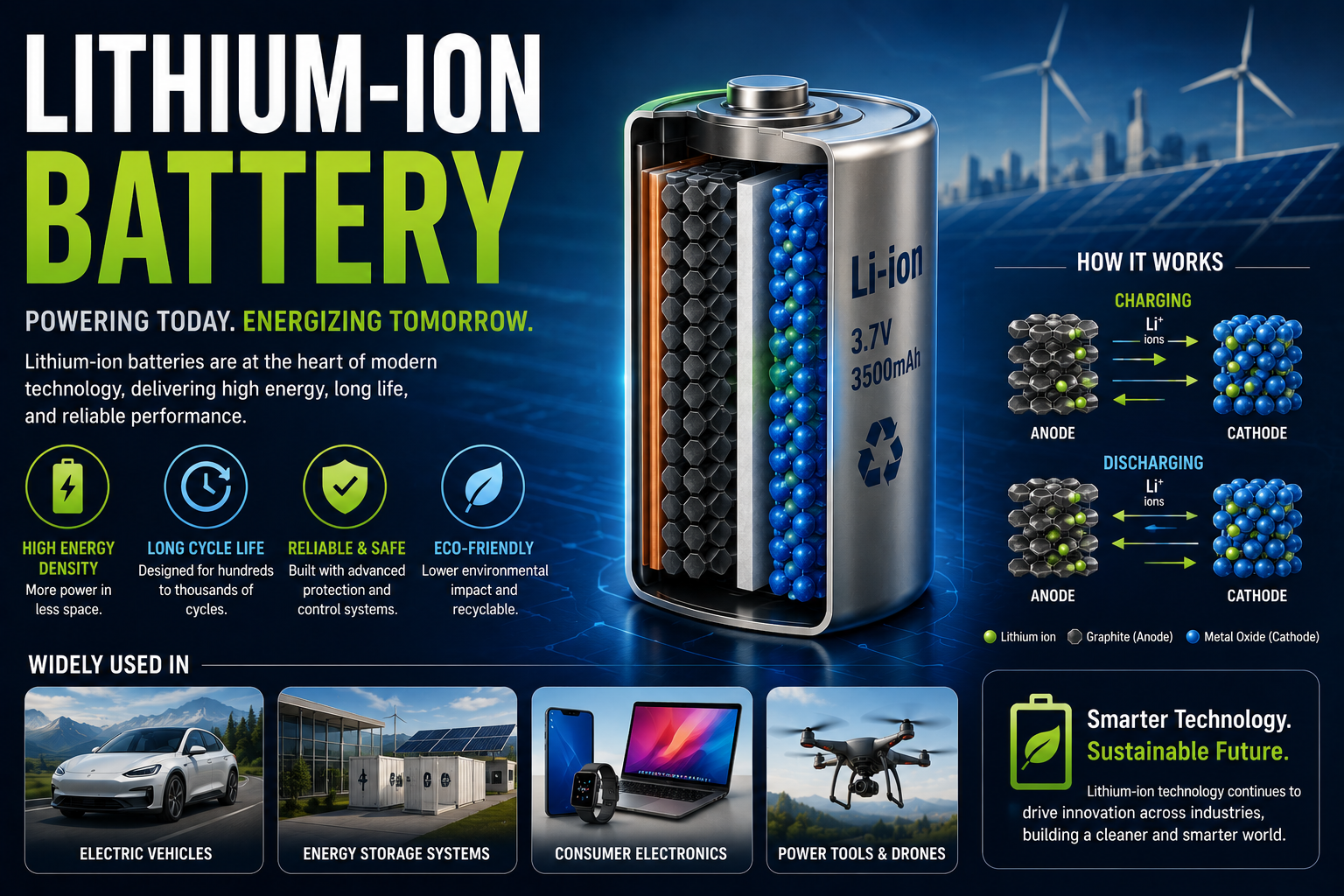
Lithium-ion batteries have undergone significant transformations over the years, evolving from bulky, low-capacity cells to compact, high-performance powerhouses. The first lithium-ion battery was developed in the early 1990s, with an energy density of about 80 Wh/kg. Today, lithium-ion batteries boast energy densities of over 250 Wh/kg, enabling the widespread adoption of portable electronics and electric vehicles. For instance, the original iPhone, released in 2007, had a battery life of around 8 hours, whereas the latest models can last up to 12 hours on a single charge.
Furthermore, advancements in lithium-ion battery technology have led to increased safety, reduced self-discharge rates, and improved charging speeds. These developments have far-reaching implications for various industries, including consumer electronics, automotive, and renewable energy. As a result, it is essential to comprehend the intricacies of lithium-ion batteries and their applications.
The impact of lithium-ion batteries on modern society cannot be overstated. They have enabled the creation of sleek, portable devices that have transformed the way people communicate, work, and entertain themselves. Moreover, lithium-ion batteries are playing a crucial role in the transition to sustainable energy sources, powering electric vehicles and renewable energy systems.
What Is Lithium-ion Battery?
A lithium-ion battery is a type of rechargeable battery that uses lithium ions to store energy. It consists of three primary components: a positive cathode, a negative anode, and an electrolyte that facilitates the flow of ions between the electrodes. The battery operates by transferring lithium ions from the anode to the cathode during discharge, and reversing the process during charging. This mechanism allows lithium-ion batteries to achieve high energy densities, long cycle lives, and relatively low self-discharge rates.
Lithium-ion Battery Methods Worth Knowing
1. Lithium Cobalt Oxide (LCO) Method
The Lithium Cobalt Oxide (LCO) method is one of the most common approaches used in lithium-ion battery production. It involves the use of lithium cobalt oxide as the cathode material, which provides high energy density and long cycle life. However, LCO batteries have some drawbacks, such as limited thermal stability and potential toxicity.
- Advantages:
- High energy density
- Long cycle life
- Well-established manufacturing process
- Drawbacks:
- Limited thermal stability
- Potential toxicity
- Relatively high cost
2. Lithium Iron Phosphate (LFP) Method
The Lithium Iron Phosphate (LFP) method is another popular approach used in lithium-ion battery production. It involves the use of lithium iron phosphate as the cathode material, which provides improved thermal stability and safety. However, LFP batteries have lower energy densities compared to LCO batteries.
- Advantages:
- Improved thermal stability
- Enhanced safety
- Lower cost
- Drawbacks:
- Shorter cycle life
- Limited high-rate discharge capability
<li_LOWER energy density
| Battery Type | Energy Density (Wh/kg) | Cycle Life | Cost ($/kWh) |
|---|---|---|---|
| LCO | 250 | 500 | 150 |
| LFP | 160 | 2000 | 100 |
How This Affects Everyday Life
✔ Increased Mobility
Lithium-ion batteries have enabled the creation of portable devices that can be used on-the-go, revolutionizing the way people communicate, work, and entertain themselves. For example, smartphones have become an essential tool for navigation, allowing people to access maps and directions anywhere, anytime.
✔ Improved Productivity
Lithium-ion batteries have enabled the development of laptops and tablets that can be used for extended periods, increasing productivity and efficiency. Additionally, the use of lithium-ion batteries in electric vehicles has reduced emissions and operating costs, making them an attractive option for businesses and individuals alike.
✔ Enhanced Safety
Lithium-ion batteries have improved safety features, such as overcharge protection and thermal monitoring, which reduce the risk of accidents and injuries. Furthermore, the use of lithium-ion batteries in medical devices, such as pacemakers and insulin pumps, has improved patient outcomes and quality of life.
✔ Reduced Environmental Impact
Lithium-ion batteries have enabled the widespread adoption of renewable energy sources, such as solar and wind power, reducing greenhouse gas emissions and mitigating climate change. Moreover, the use of lithium-ion batteries in electric vehicles has reduced air pollution in urban areas, improving public health and quality of life.
✔ Increased Energy Efficiency
Lithium-ion batteries have improved energy efficiency, reducing energy consumption and waste. For instance, the use of lithium-ion batteries in smart home devices, such as thermostats and lighting systems, has optimized energy usage and reduced energy bills.
✔ Improved Grid Stability
Lithium-ion batteries have enabled the development of energy storage systems that can stabilize the grid, reducing the risk of power outages and blackouts. Additionally, the use of lithium-ion batteries in renewable energy systems has improved the reliability and efficiency of these systems, making them a viable alternative to traditional fossil fuel-based power plants.
Upcoming Trends
- Solid-state batteries will replace traditional lithium-ion batteries, offering improved safety, energy density, and charging speeds.
- Graphene-based batteries will emerge, providing enhanced conductivity, flexibility, and durability.
- Lithium-air batteries will be developed, offering potentially higher energy densities and more efficient charging.
- Sodium-ion batteries will become a viable alternative to lithium-ion batteries, reducing costs and environmental impact.
- Recycling technologies will be developed to recover valuable materials from spent lithium-ion batteries, reducing waste and promoting sustainability.
- Advances in battery management systems will optimize charging, discharging, and overall performance of lithium-ion batteries.
Worth Remembering
Lithium-ion batteries have revolutionized the way people live, work, and interact with technology. Understanding their components, methods, and applications is essential for optimizing their performance, safety, and efficiency. As the demand for lithium-ion batteries continues to grow, it is crucial to develop sustainable and environmentally friendly production methods, recycling technologies, and waste management strategies to minimize their environmental impact.
The future of lithium-ion batteries holds much promise, with emerging trends and technologies poised to further transform the industry. By staying informed and up-to-date on the latest developments, individuals and organizations can harness the full potential of lithium-ion batteries and contribute to a more sustainable and energy-efficient future.
To wrap up, lithium-ion batteries have become an integral part of modern life, powering a wide range of devices and applications. As the technology continues to evolve, it is essential to prioritize sustainability, safety, and efficiency, ensuring that the benefits of lithium-ion batteries are realized while minimizing their environmental impact.