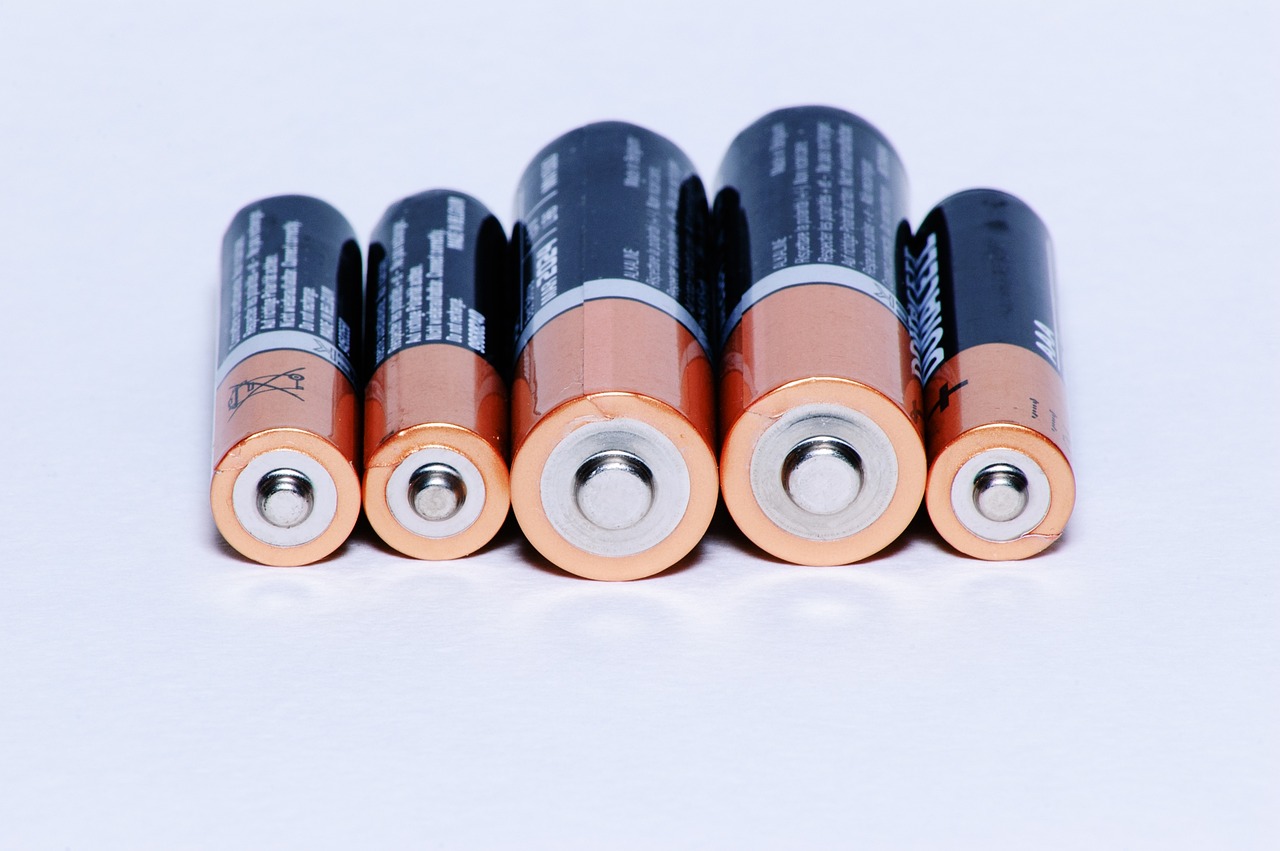
Lithium-ion batteries are a crucial part of modern technology, powering everything from smartphones to electric vehicles. However, common mistakes can significantly reduce their lifespan and affect their performance. Improper handling and maintenance can lead to reduced battery capacity, increased self-discharge, and even safety hazards. To get the most out of lithium-ion batteries, it is essential to understand the common mistakes to avoid.
Breaking Down Lithium-ion Batteries
Lithium-ion batteries are a type of rechargeable battery that uses lithium ions to store energy. They consist of a positive electrode (cathode), a negative electrode (anode), and an electrolyte that facilitates the flow of ions between the electrodes. Lithium-ion batteries are known for their high energy density, long cycle life, and relatively low self-discharge rate.
Key Lithium-ion Advancements
1. Charging and Discharging
Charging and discharging are critical aspects of lithium-ion battery maintenance. Overcharging can cause the battery to degrade, while undercharging can reduce its capacity. Proper charging and discharging techniques can help extend the battery’s lifespan.
- Why It Works:
- Charging to 80% capacity instead of 100% can reduce wear and tear on the battery.
- Avoiding deep discharges (below 10% capacity) can help prevent battery degradation.
- Using a high-quality charger that can regulate the charging current and voltage can prevent overcharging.
- Current Limitations:
- Charging and discharging at high temperatures can reduce the battery’s lifespan.
- Using a low-quality charger can cause overcharging or undercharging.
2. Storage and Handling
Proper storage and handling are essential for maintaining the health and safety of lithium-ion batteries. Extreme temperatures, physical stress, and exposure to moisture can all affect the battery’s performance and lifespan.
- Why It Works:
- Storing batteries in a cool, dry place can reduce self-discharge and prevent degradation.
- Handling batteries with care can prevent physical damage and reduce the risk of accidents.
- Using protective packaging or cases can prevent damage during transportation or storage.
- Current Limitations:
- Extreme temperatures can still affect battery performance, even with proper storage and handling.
- Physical stress or damage can cause internal shorts or other safety hazards.
| Battery Type | Cycle Life | Energy Density |
|---|---|---|
| Lithium-ion | 300-500 cycles | 100-265 Wh/kg |
| Lithium-iron phosphate | 2000-3000 cycles | 80-160 Wh/kg |
Why People Are Paying Attention
✔ Improved Safety
Proper handling and maintenance can reduce the risk of accidents and ensure safe use of lithium-ion batteries.
✔ Increased Efficiency
Optimizing charging and discharging techniques can improve the overall efficiency of lithium-ion batteries.
✔ Extended Lifespan
Following best practices for storage and handling can help extend the lifespan of lithium-ion batteries.
✔ Reduced Environmental Impact
Proper disposal and recycling of lithium-ion batteries can minimize their environmental impact.
✔ Cost Savings
Extending the lifespan of lithium-ion batteries can reduce replacement costs and save money in the long run.
✔ Enhanced Performance
Optimizing lithium-ion battery performance can improve the overall user experience and increase device reliability.
Emerging Directions
- Development of more efficient and sustainable battery materials
- Advances in battery management systems for improved safety and performance
- Increased focus on recycling and proper disposal of lithium-ion batteries
- Growing demand for lithium-ion batteries in emerging markets and applications
- Improved charging and discharging techniques for extended battery lifespan
- Integration of lithium-ion batteries with renewable energy sources and smart grids
Wrapping Up
Lithium-ion batteries play a vital role in modern technology, and understanding common mistakes can help extend their lifespan and improve performance. By following best practices for charging, discharging, storage, and handling, users can ensure safe and efficient use of lithium-ion batteries. As the demand for lithium-ion batteries continues to grow, emerging directions in research and development will focus on improving efficiency, sustainability, and safety.