Electric vehicles (EVs) are becoming increasingly popular due to their environmental benefits and lower operating costs. However, one of the significant challenges facing EV owners is the time it takes to charge their vehicles. DC fast charging has emerged as a solution to this problem, enabling EV owners to charge their vehicles quickly and efficiently. This technology is crucial for the widespread adoption of EVs, as it addresses the range anxiety issue that has been a major concern for potential buyers.
The Basics of DC Fast Charging
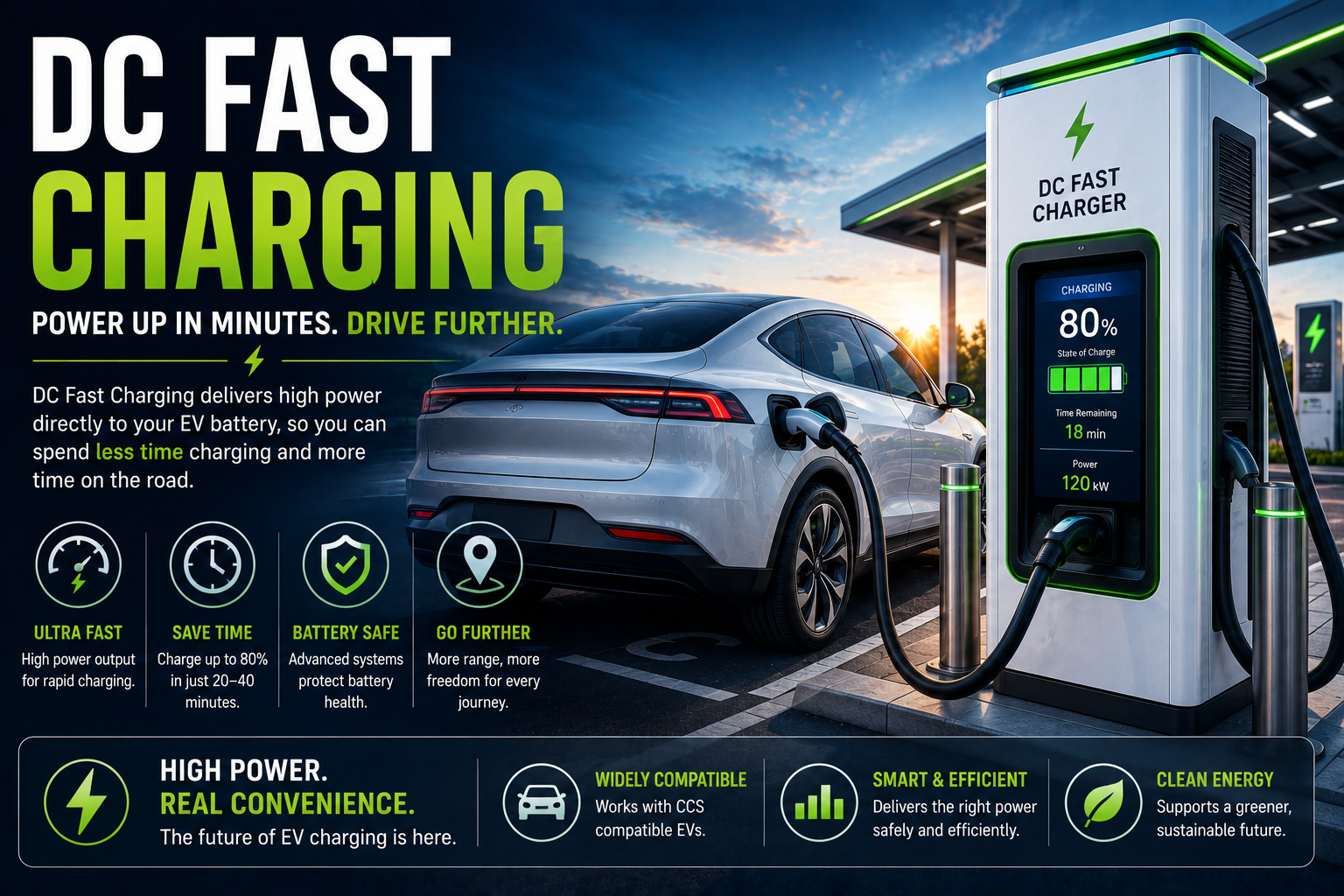
DC fast charging is a type of electric vehicle charging that uses direct current (DC) to charge vehicles quickly. It is different from Level 1 and Level 2 charging, which use alternating current (AC) and are slower. DC fast charging stations can charge an EV to 80% in under 30 minutes, making it an ideal solution for long-distance driving. The technology behind DC fast charging involves the use of a high-power DC charger that can supply a large amount of energy to the vehicle’s battery in a short amount of time.
Major DC Fast Charging Developments
1. Introduction of High-Power Chargers
The introduction of high-power chargers has been a significant development in DC fast charging. These chargers can supply up to 350 kW of power, enabling EVs to charge even faster. The high-power chargers are equipped with advanced technology that allows them to adjust the charging speed according to the vehicle’s battery and the availability of power.
- Key Benefits:
- Faster charging times: High-power chargers can charge an EV to 80% in under 15 minutes.
- Improved efficiency: The chargers can adjust the charging speed to optimize energy transfer and reduce losses.
- Increased convenience: The faster charging times make it possible for EV owners to take long road trips without worrying about running out of charge.
- Known Issues:
- High cost: The high-power chargers are expensive to install and maintain.
- Limited availability: The chargers are not widely available, making it difficult for EV owners to find them.
2. Expansion of Charging Networks
The expansion of charging networks has been another significant development in DC fast charging. Many companies are investing in the installation of DC fast charging stations along highways and in urban areas. The expansion of charging networks is crucial for the widespread adoption of EVs, as it addresses the range anxiety issue and makes it possible for EV owners to drive long distances without worrying about running out of charge.
- Key Benefits:
- Increased convenience: The expansion of charging networks makes it possible for EV owners to charge their vehicles on the go.
- Improved accessibility: The charging stations are being installed in convenient locations, such as shopping centers and rest stops.
- Reduced range anxiety: The expansion of charging networks reduces the anxiety associated with running out of charge while driving.
- Known Issues:
- Limited standardization: The charging stations are not standardized, making it difficult for EV owners to find compatible chargers.
- High installation costs: The installation of charging stations is expensive, making it difficult for companies to invest in their expansion.
| Charger Type | Power Output | Charging Time |
|---|---|---|
| Level 1 | 1.4 kW | 12-24 hours |
| Level 2 | 7.2 kW | 4-8 hours |
| DC Fast Charging | 50-350 kW | 15-30 minutes |
Why People Are Paying Attention
✔ Faster Charging Times
DC fast charging enables EV owners to charge their vehicles quickly, making it possible to take long road trips without worrying about running out of charge.
✔ Increased Convenience
The expansion of charging networks makes it possible for EV owners to charge their vehicles on the go, reducing the anxiety associated with running out of charge.
✔ Improved Efficiency
DC fast charging is more efficient than Level 1 and Level 2 charging, as it uses direct current to charge the vehicle’s battery.
✔ Reduced Range Anxiety
The expansion of charging networks reduces the anxiety associated with running out of charge while driving, making it possible for EV owners to drive long distances without worrying.
✔ Environmental Benefits
EVs are environmentally friendly, producing zero tailpipe emissions and reducing greenhouse gas emissions.
✔ Lower Operating Costs
EVs are cheaper to operate, as they have lower fuel and maintenance costs compared to gasoline-powered vehicles.
What Researchers Are Working On
- Developing more efficient DC fast charging systems that can charge EVs even faster.
- Improving the reliability and durability of DC fast charging stations.
- Expanding the charging network to include more locations and make it easier for EV owners to find charging stations.
- Developing new technologies that can reduce the cost of DC fast charging stations and make them more accessible to a wider range of people.
- Improving the user experience of DC fast charging by developing more user-friendly interfaces and payment systems.
- Developing standards for DC fast charging to ensure compatibility and interoperability between different charging systems.
Final Thoughts
DC fast charging is a crucial technology for the widespread adoption of EVs, as it addresses the range anxiety issue and makes it possible for EV owners to drive long distances without worrying about running out of charge. The technology is continuously improving, with new developments and innovations being made to increase efficiency, reduce costs, and improve the user experience.
The expansion of charging networks and the development of more efficient DC fast charging systems will be crucial for the future of EVs, as they will enable EV owners to charge their vehicles quickly and conveniently. As the technology continues to evolve, it is likely that DC fast charging will become even more efficient, convenient, and accessible, making EVs an even more attractive option for consumers.
The future of transportation is electric, and DC fast charging is playing a critical role in making that future a reality. With its quick and efficient charging capabilities, DC fast charging is transforming the way people think about electric vehicles and making them a more viable option for long-distance driving.