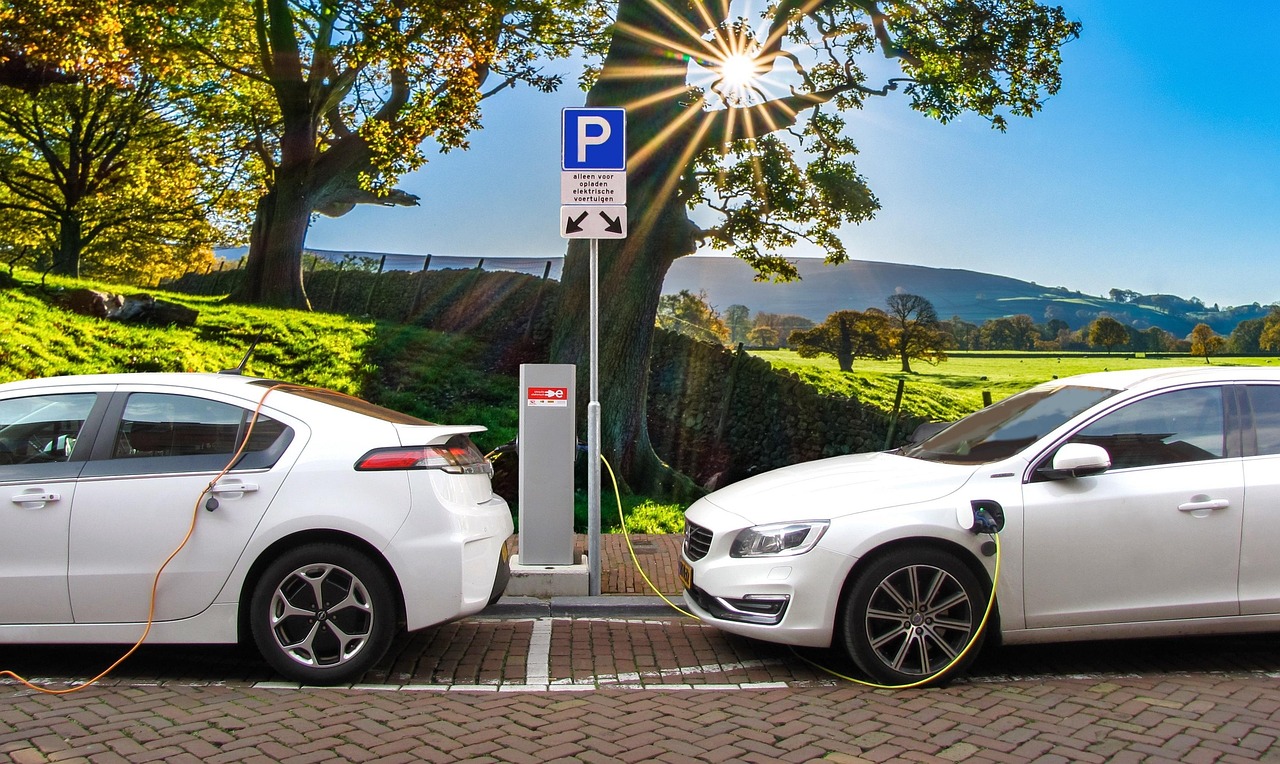
A staggering 80% of electric vehicle owners report that fast charging is a crucial factor in their decision to purchase an electric vehicle. Fast charging technology has the potential to transform the way we live and work, making it possible to recharge devices and vehicles at unprecedented speeds. As the world becomes increasingly reliant on portable electronics and electric vehicles, the need for fast and efficient charging solutions has never been more pressing. The widespread adoption of fast charging could have a significant impact on the environment, reducing greenhouse gas emissions and decreasing our reliance on fossil fuels.
What Is Fast Charging?
Fast charging refers to the process of replenishing the energy in a device or vehicle at a significantly higher rate than standard charging methods. This is achieved through the use of advanced charging systems and high-capacity batteries, which are designed to withstand the increased flow of electrical current. Fast charging technology has the potential to reduce charging times by up to 80%, making it an attractive option for individuals who are always on the go.
Fast Charging Methods Worth Knowing
1. DC Fast Charging
DC fast charging is a method of charging that uses direct current to replenish the energy in a device or vehicle. This method is significantly faster than standard alternating current charging, with the ability to recharge a battery to 80% in under 30 minutes. DC fast charging is commonly used in electric vehicles, where it is used to rapidly replenish the energy in the battery during long journeys.
- Why It Works:
- High-power charging stations that can deliver up to 350 kW of power
- Advanced battery management systems that can handle high currents and voltages
- High-capacity batteries that are designed to withstand the increased flow of electrical current
- Challenges:
- High upfront costs associated with the installation of DC fast charging stations
- Limited availability of DC fast charging stations, particularly in rural areas
- Potential safety risks associated with the high voltages and currents used in DC fast charging
2. Inductive Charging
Inductive charging is a method of charging that uses electromagnetic fields to transfer energy between a charging base and a device. This method is commonly used in portable electronics, such as smartphones and watches, where it is used to provide a convenient and wireless charging solution.
- Why It Works:
- Convenient and wireless charging solution that eliminates the need for cables
- Easy to use, with devices simply being placed on the charging base to begin charging
- Safe and reliable, with built-in protection against overcharging and electrical shocks
- Challenges:
- Slower charging speeds compared to other methods, such as DC fast charging
- Limited compatibility, with not all devices being compatible with inductive charging
- Potential health risks associated with the electromagnetic fields used in inductive charging
| Charging Method | Charging Speed | Compatibility |
|---|---|---|
| DC Fast Charging | Up to 350 kW | Electric vehicles |
| Inductive Charging | Up to 15 W | Portable electronics |
Practical Takeaways
✔ Reduced Charging Times
Fast charging technology has the potential to significantly reduce charging times, making it possible to recharge devices and vehicles in a fraction of the time it would take using standard charging methods.
✔ Increased Convenience
Fast charging technology provides a convenient and wireless charging solution, eliminating the need for cables and making it easy to recharge devices on the go.
✔ Improved Safety
Fast charging technology incorporates advanced safety features, such as built-in protection against overcharging and electrical shocks, to provide a safe and reliable charging solution.
✔ Environmental Benefits
Fast charging technology has the potential to reduce greenhouse gas emissions and decrease our reliance on fossil fuels, making it an attractive option for individuals who are concerned about the environment.
✔ Cost Savings
Fast charging technology can provide cost savings, particularly for electric vehicle owners who can take advantage of lower electricity rates during off-peak hours.
Looking Ahead
- Predictions suggest that fast charging technology will become increasingly widespread, with the number of fast charging stations expected to increase by up to 50% in the next 5 years
- Advances in battery technology are expected to improve the efficiency and range of electric vehicles, making fast charging an even more attractive option
- The development of new fast charging methods, such as supercapacitor-based charging, is expected to further reduce charging times and improve the convenience of fast charging
- Increased investment in fast charging infrastructure is expected to drive down costs and make fast charging more accessible to a wider range of individuals
- Predictions suggest that fast charging technology will play a key role in the widespread adoption of electric vehicles, with up to 50% of new vehicle sales expected to be electric by 2030
To Sum Up
Fast charging technology is a rapidly evolving field that has the potential to transform the way we power our devices and vehicles. With its ability to reduce charging times, increase convenience, and provide environmental benefits, fast charging is an attractive option for individuals who are always on the go. As the demand for fast and efficient charging solutions continues to grow, it is likely that fast charging technology will play an increasingly important role in our daily lives.
Fast charging technology is becoming increasingly important as the demand for efficient and rapid energy replenishment continues to grow. The widespread adoption of fast charging could have a significant impact on the environment, reducing greenhouse gas emissions and decreasing our reliance on fossil fuels.
The future of fast charging looks bright, with predictions suggesting that it will become increasingly widespread and play a key role in the widespread adoption of electric vehicles.