Eco-friendly transportation is a pressing issue in today’s world, with the transportation sector being one of the largest contributors to greenhouse gas emissions. The need for sustainable transportation solutions has never been more urgent, with climate change, air pollution, and traffic congestion being some of the major problems that need to be addressed. Rising fuel costs and the increasing demand for environmentally friendly alternatives have led to a surge in the development of eco-friendly transportation solutions. As the world shifts towards a more sustainable future, it is essential to explore the various options available for reducing our carbon footprint.
A Closer Look at Eco-Friendly Transportation
Eco-friendly transportation refers to the use of vehicles, fuels, and technologies that minimize harm to the environment. This includes electric vehicles, hybrid cars, biofuels, and alternative modes of transportation such as cycling and walking. Eco-friendly transportation solutions aim to reduce carbon emissions, promote energy efficiency, and decrease reliance on fossil fuels. By adopting these solutions, individuals can play a significant role in mitigating climate change, improving air quality, and creating a healthier environment for future generations.
Leading Eco-Friendly Transportation Solutions
1. Electric Vehicles
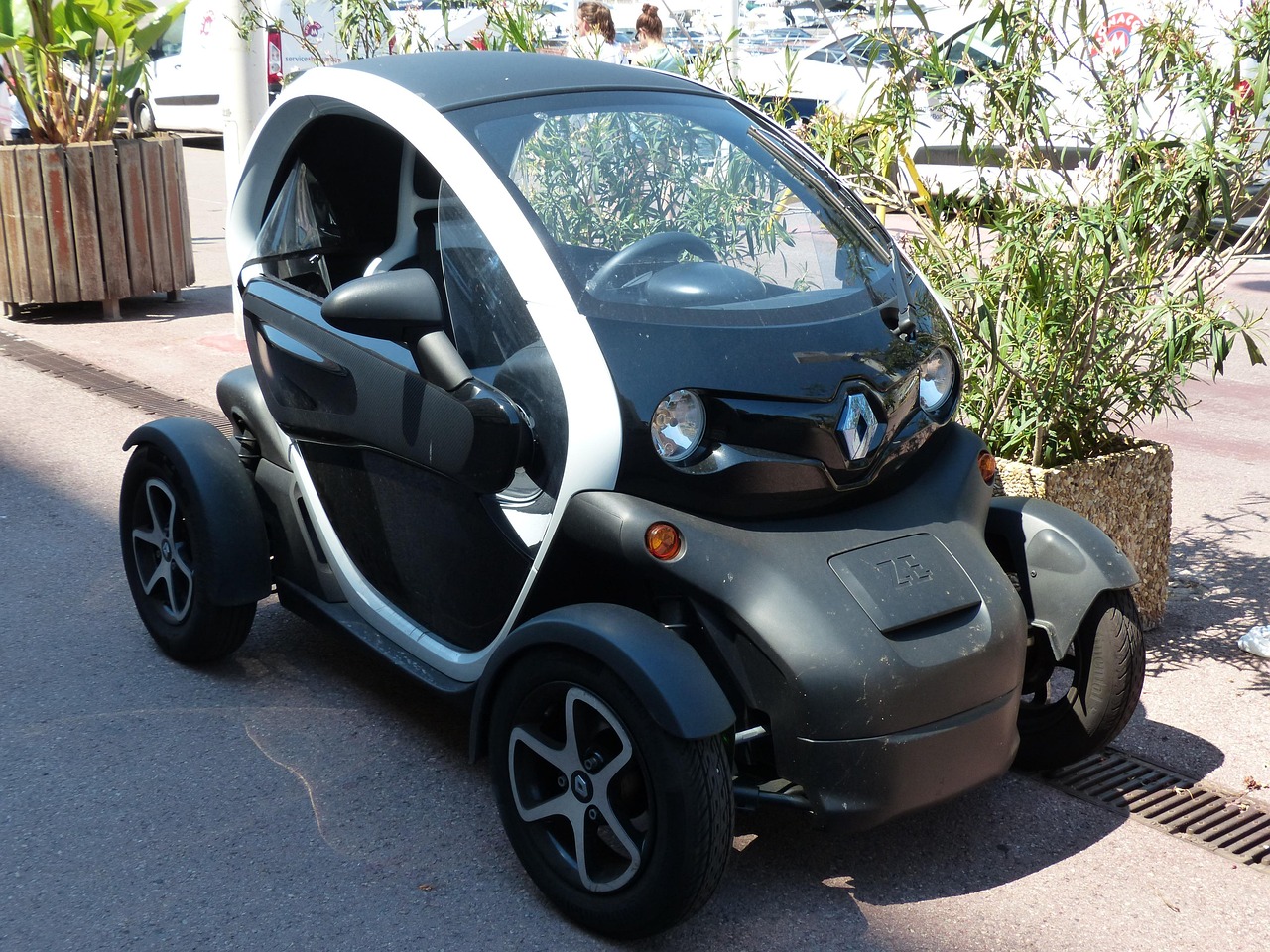
Electric vehicles have gained popularity in recent years, with many countries investing heavily in the development of electric vehicle infrastructure. These vehicles are powered by electric motors, using electricity from batteries or other sources, and produce zero tailpipe emissions. Electric vehicles offer a sustainable alternative to traditional gasoline-powered cars, reducing greenhouse gas emissions and promoting energy efficiency.
- Why It Works:
- Zero tailpipe emissions, reducing greenhouse gas emissions and air pollution
- Lower operating costs, with reduced fuel and maintenance expenses
- Smooth and quiet ride, providing a comfortable driving experience
- Current Limitations:
- Higher upfront costs, although prices are decreasing as technology advances
- Limited charging infrastructure, although investments are being made to expand networks
- Range anxiety, with concerns about the distance that can be traveled on a single charge
2. Hybrid Cars
Hybrid cars combine traditional gasoline-powered engines with electric motors, offering improved fuel efficiency and reduced emissions. These vehicles use a combination of electric and gasoline power to optimize performance, reducing fuel consumption and minimizing environmental impact. Hybrid cars provide a practical alternative to traditional gasoline-powered cars, with many models available in the market.
- Why It Works:
- Improved fuel efficiency, reducing fuel consumption and greenhouse gas emissions
- Lower emissions, with the electric motor reducing the load on the gasoline engine
- Smooth and quiet ride, providing a comfortable driving experience
- Current Limitations:
- Higher upfront costs, although prices are decreasing as technology advances
- Complexity of the hybrid system, with potential reliability issues
- Limited electric-only range, with the gasoline engine kicking in during extended driving
| Eco-Friendly Transportation Solution | Description | Benefits |
|---|---|---|
| Electric Vehicles | Powered by electric motors, using electricity from batteries or other sources | Zero tailpipe emissions, lower operating costs, smooth and quiet ride |
| Hybrid Cars | Combination of traditional gasoline-powered engines and electric motors | Improved fuel efficiency, lower emissions, smooth and quiet ride |
Why People Are Paying Attention
✔ Reduced Greenhouse Gas Emissions
Eco-friendly transportation solutions are designed to minimize harm to the environment, reducing greenhouse gas emissions and promoting a healthier environment. By adopting these solutions, individuals can play a significant role in mitigating climate change and creating a sustainable future.
✔ Improved Air Quality
Eco-friendly transportation solutions reduce air pollution, improving air quality and promoting public health. By decreasing reliance on fossil fuels, these solutions minimize the emission of harmful pollutants, creating a cleaner and healthier environment.
✔ Lower Operating Costs
Eco-friendly transportation solutions offer lower operating costs, reducing fuel and maintenance expenses. Electric vehicles, for example, have lower fuel costs, with electricity being generally cheaper than gasoline, and require less maintenance, with fewer moving parts and no oil changes needed.
✔ Government Incentives
Many governments offer incentives for the adoption of eco-friendly transportation solutions, including tax credits, rebates, and exemptions from certain fees. These incentives encourage individuals to invest in eco-friendly transportation, promoting a sustainable future and reducing reliance on fossil fuels.
✔ Increased Fuel Efficiency
Eco-friendly transportation solutions promote fuel efficiency, reducing fuel consumption and minimizing environmental impact. Hybrid cars, for example, use a combination of electric and gasoline power to optimize performance, reducing fuel consumption and lowering emissions.
✔ Enhanced Comfort and Convenience
Eco-friendly transportation solutions offer enhanced comfort and convenience, providing a smooth and quiet ride. Electric vehicles, for example, have a quieter and smoother ride, with less vibration and noise, making them ideal for daily commuting and long-distance travel.
The Next 5 Years
- Increased investment in electric vehicle infrastructure, with more charging stations and faster charging speeds
- Advancements in hybrid technology, with improved fuel efficiency and reduced emissions
- Growing demand for alternative modes of transportation, such as cycling and walking, with increased investment in bike lanes and pedestrian-friendly infrastructure
- Development of new eco-friendly transportation solutions, such as hydrogen fuel cell vehicles and biofuels
- Stricter regulations and standards for emissions and fuel efficiency, driving innovation and adoption of eco-friendly transportation solutions
- Greater awareness and education about the benefits of eco-friendly transportation, promoting a cultural shift towards sustainability and environmental responsibility
Worth Remembering
Eco-friendly transportation solutions are essential for creating a sustainable future, reducing greenhouse gas emissions, and promoting a healthier environment. By adopting these solutions, individuals can play a significant role in mitigating climate change and improving air quality. As the world continues to evolve, it is crucial to invest in eco-friendly transportation, driving innovation and adoption of sustainable solutions.