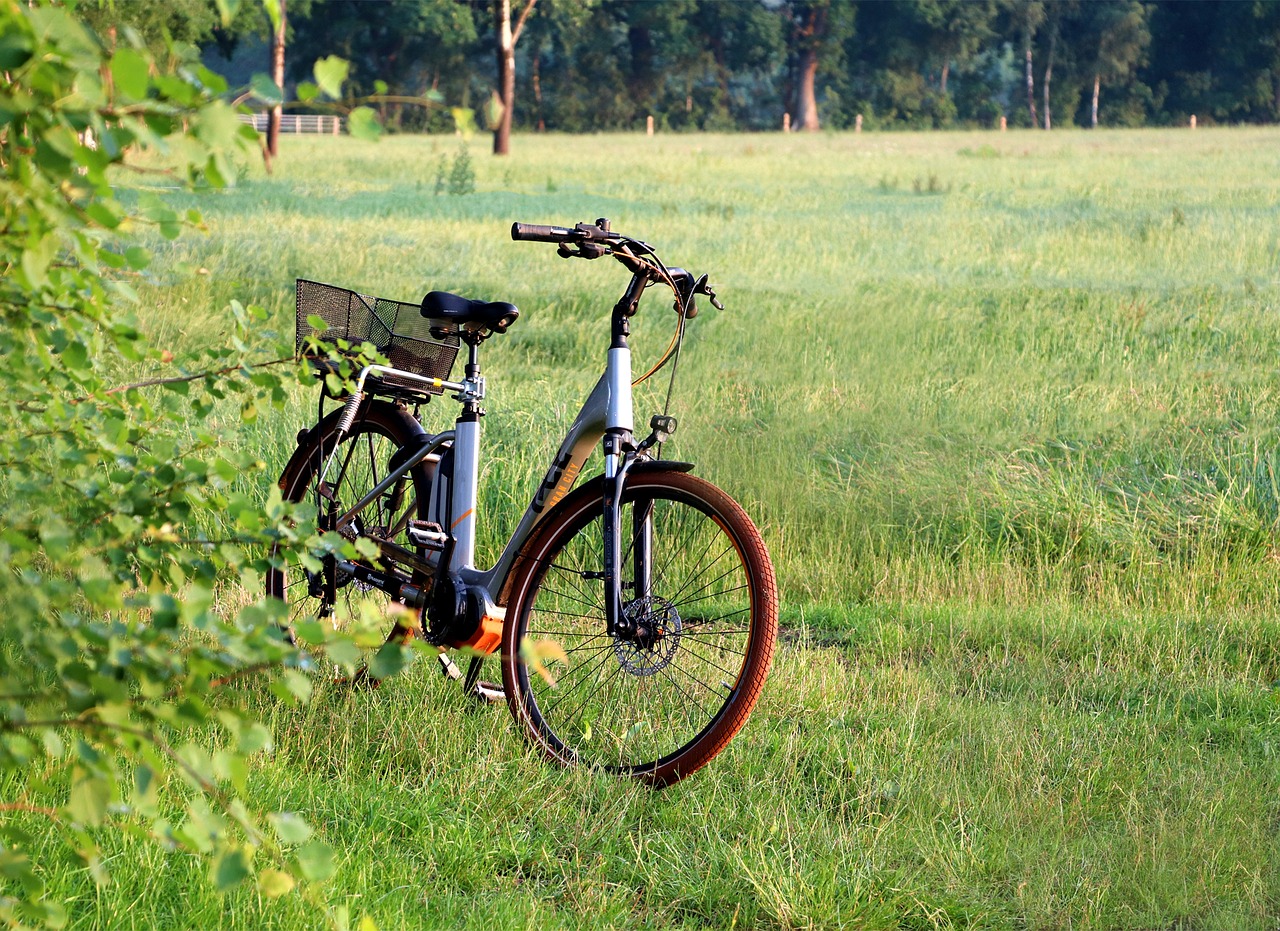
Battery-powered bikes, also known as e-bikes, have become increasingly popular in recent years due to their convenience, sustainability, and cost-effectiveness. As the world shifts towards more environmentally friendly modes of transportation, e-bikes have emerged as a viable alternative to traditional gasoline-powered vehicles. With advancements in technology, e-bikes now offer improved performance, range, and durability, making them an attractive option for commuters and recreational cyclists alike. This article provides an in-depth look at the latest developments in battery-powered bikes and their benefits.
What Is a Battery-Powered Bike?
A battery-powered bike, or e-bike, is a bicycle equipped with an electric motor and a rechargeable battery. The electric motor assists the rider’s pedaling, providing additional power and propulsion. E-bikes can be categorized into different types, including pedal-assist, power-on-demand, and pedal-assist with power-on-demand. The battery-powered bike offers a sustainable and efficient mode of transportation, with the potential to reduce carbon emissions and promote a healthier lifestyle.
Latest Battery-Powered Bike Technologies
1. Advanced Battery Systems
Recent advancements in battery technology have led to the development of more efficient and durable batteries for e-bikes. Lithium-ion batteries have become the standard for e-bikes, offering high energy density, long lifespan, and relatively low weight. The latest battery systems also feature advanced management systems, which optimize battery performance, safety, and charging efficiency.
- Key Benefits:
- Improved energy efficiency
- Increased range and endurance
- Enhanced safety features
- Reduced maintenance requirements
- Challenges:
- High upfront costs
- Limited charging infrastructure
- Potential battery degradation over time
2. Electric Motor Innovations
Electric motors have undergone significant improvements in recent years, with a focus on increasing efficiency, power, and reliability. The latest e-bike motors feature advanced designs, such as gearless and direct-drive systems, which offer improved performance, reduced noise, and enhanced durability.
- Advantages:
- Increased torque and power output
- Improved efficiency and range
- Enhanced reliability and durability
- Reduced maintenance requirements
- Current Limitations:
- Higher costs compared to traditional motors
- Limited availability of spare parts
- Potential compatibility issues with existing e-bike systems
E-Bike ModelBattery CapacityRangeMotor PowerPriceModel A500Wh50 miles250W$1,500Model B750Wh75 miles500W$2,500Model C1000Wh100 miles750W$3,500
Benefits of Battery-Powered Bikes
✔ Environmental Benefits
Battery-powered bikes offer a sustainable mode of transportation, producing zero emissions and reducing carbon footprint. This makes them an attractive option for environmentally conscious commuters and cyclists.
✔ Cost-Effective
E-bikes are a cost-effective mode of transportation, with lower operating costs compared to traditional gasoline-powered vehicles. They also require less maintenance, reducing the need for frequent repairs and replacements.
✔ Improved Health and Fitness
Riding an e-bike provides an excellent opportunity for physical exercise, improving cardiovascular health, and boosting mental well-being. The electric motor assist feature also makes it easier for people with mobility issues to enjoy cycling.
✔ Increased Mobility and Accessibility
Battery-powered bikes offer increased mobility and accessibility, allowing people to travel longer distances with ease. They are also ideal for commuting in urban areas, reducing traffic congestion and parking challenges.
✔ Convenience and Flexibility
E-bikes provide convenience and flexibility, allowing riders to travel at their own pace and enjoy the scenery. They are also ideal for running errands, commuting to work, or enjoying recreational activities.
✔ Government Incentives and Support
Many governments offer incentives and support for the adoption of e-bikes, including tax credits, rebates, and investment in cycling infrastructure. This makes it easier for people to purchase and use e-bikes.
Future Outlook
- Predicted growth in e-bike sales and adoption
- Advancements in battery technology and electric motors
- Increased investment in cycling infrastructure and transportation systems
- Growing demand for sustainable and environmentally friendly modes of transportation
- Expansion of e-bike sharing and rental services
- Development of new e-bike models and designs, including foldable and portable options
Conclusion
Battery-powered bikes have revolutionized the way people travel, offering a sustainable, efficient, and cost-effective mode of transportation. With advancements in technology and growing demand for environmentally friendly modes of transportation, the future of e-bikes looks promising. As the world continues to shift towards more sustainable and efficient modes of transportation, battery-powered bikes are likely to play a significant role in shaping the future of transportation.
Related Articles
Electric Vehicle Technology Explained