In the past, charging an electric vehicle was a time-consuming process that could take several hours, but with the advent of DC fast charging, this time has been significantly reduced to under 30 minutes. However, despite its speed and convenience, DC fast charging is not without its pitfalls, and common mistakes can lead to inefficiencies and even damage to the vehicle. For instance, incorrect charger selection can lead to slower charging speeds, while poor maintenance of charging stations can result in charging failures. By understanding and avoiding these common mistakes, electric vehicle owners can enjoy a seamless and efficient charging experience.
Before the widespread adoption of DC fast charging, electric vehicle owners had to rely on Level 1 and Level 2 charging, which could take up to 12 hours to fully charge a vehicle. In contrast, DC fast charging can charge a vehicle to 80% in under 30 minutes, making it an essential component of long-distance electric vehicle travel. By avoiding common mistakes associated with DC fast charging, electric vehicle owners can maximize the benefits of this technology and enjoy a more efficient and convenient charging experience.
Breaking Down DC Fast Charging
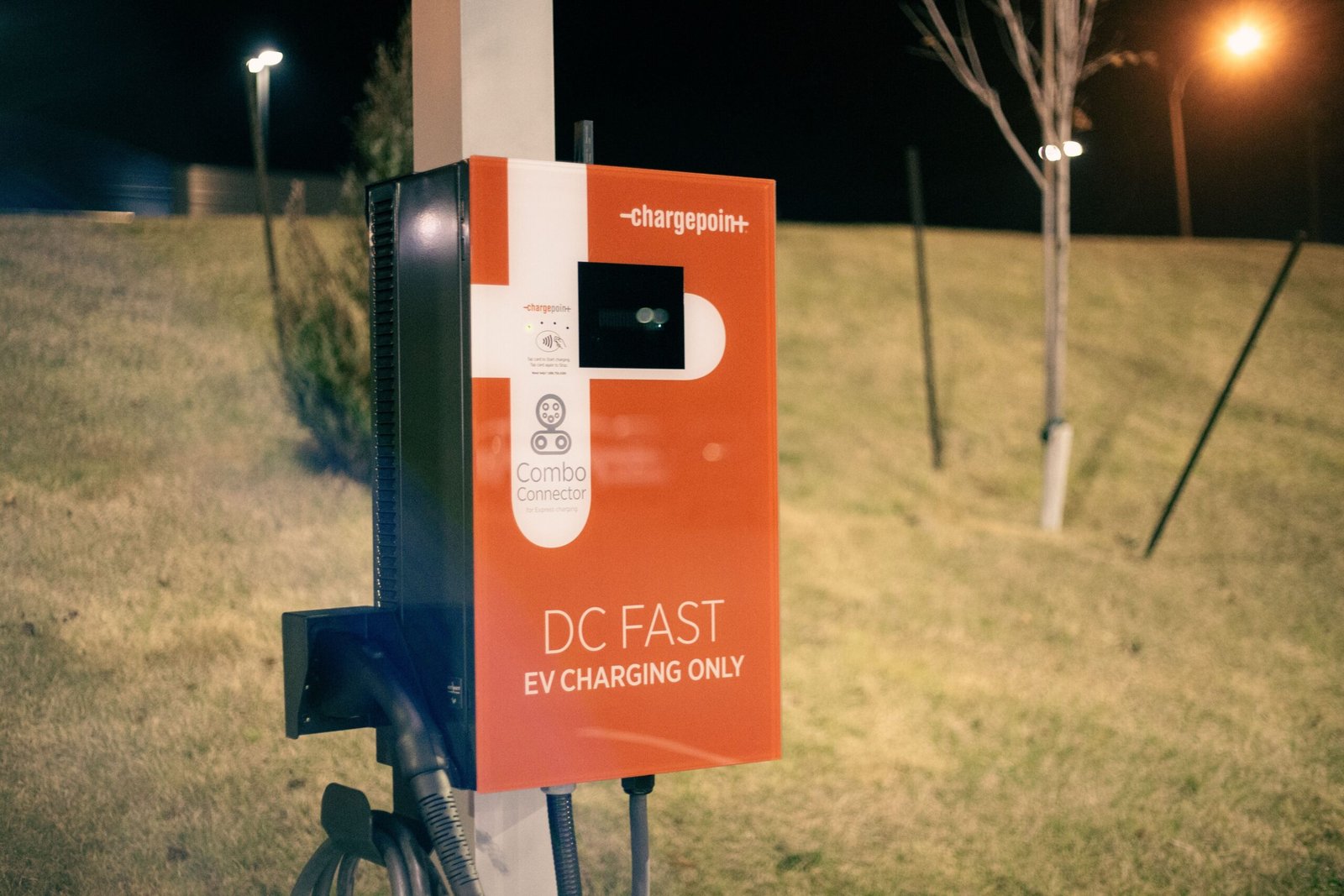
DC fast charging is a type of electric vehicle charging that uses direct current to charge a vehicle’s battery directly, bypassing the onboard charger. This allows for much faster charging speeds than Level 1 and Level 2 charging, which use alternating current. DC fast charging typically operates at voltages of 200-450 volts and can deliver up to 350 kilowatts of power, making it the fastest type of electric vehicle charging available.
Major DC Fast Charging Developments
1. Chargers Selection
The selection of the right DC fast charger is crucial to ensure efficient and safe charging. There are several types of DC fast chargers available, including CCS, CHAdeMO, and Tesla Supercharger, each with its own advantages and disadvantages. The right charger selection depends on the type of electric vehicle, its battery capacity, and the desired charging speed.
- Advantages:
- Faster charging speeds
- Higher power output
- Wide compatibility with different electric vehicle models
- Known Issues:
- Higher cost compared to Level 1 and Level 2 charging
- Less availability of charging stations compared to Level 1 and Level 2 charging
- Potential for overheating and reduced charger lifespan if not properly maintained
2. Charging Station Maintenance
Regular maintenance of DC fast charging stations is essential to ensure safe and efficient charging. This includes cleaning the charging connectors, checking for software updates, and performing routine tests to detect any faults or issues.
- Advantages:
- Improved charging efficiency and speed
- Reduced risk of charging failures and accidents
- Increased lifespan of charging station components
- Known Issues:
- Potential for human error during maintenance
- Cost of maintenance and repair
- Potential for downtime and reduced availability of charging stations
| Charger Type | Power Output | Charging Speed | Compatibility |
|---|---|---|---|
| CCS | 350 kW | 0-80% in 30 minutes | Most electric vehicle models |
| CHAdeMO | 100 kW | 0-80% in 60 minutes | Some electric vehicle models |
| Tesla Supercharger | 250 kW | 0-80% in 45 minutes | Tesla electric vehicle models |
Why This Matters to You
✔ Faster Charging Speeds
By avoiding common mistakes associated with DC fast charging, electric vehicle owners can enjoy faster charging speeds and reduced charging times, making long-distance travel more convenient and efficient.
✔ Improved Charging Efficiency
Proper maintenance and selection of DC fast charging stations can improve charging efficiency, reducing the risk of charging failures and accidents, and increasing the lifespan of charging station components.
✔ Increased Safety
Avoiding common mistakes associated with DC fast charging can reduce the risk of accidents and injuries, ensuring a safe and efficient charging experience for electric vehicle owners.
✔ Reduced Costs
By avoiding common mistakes associated with DC fast charging, electric vehicle owners can reduce the cost of charging and maintenance, making electric vehicle ownership more affordable and convenient.
✔ Environmental Benefits
By promoting the efficient and safe use of DC fast charging, electric vehicle owners can reduce their carbon footprint and contribute to a more sustainable transportation system.
How This Will Evolve
- Increased adoption of DC fast charging technology, leading to wider availability of charging stations
- Development of new and improved DC fast charging technologies, such as higher power output and faster charging speeds
- Integration of DC fast charging with other transportation systems, such as public transit and ride-sharing services
- Increased focus on sustainability and environmental benefits of DC fast charging, leading to the development of more efficient and environmentally friendly charging technologies
- Improved safety features and emergency response protocols for DC fast charging stations
- Development of new business models and pricing structures for DC fast charging, making it more affordable and convenient for electric vehicle owners
Final Thoughts
DC fast charging is a critical component of the electric vehicle ecosystem, and avoiding common mistakes associated with this technology is essential to ensure efficient, safe, and convenient charging. By understanding the common mistakes and taking steps to avoid them, electric vehicle owners can enjoy the benefits of DC fast charging and contribute to a more sustainable transportation system.
The future of DC fast charging is promising, with ongoing developments and improvements in technology, infrastructure, and sustainability. As the adoption of electric vehicles continues to grow, the importance of DC fast charging will only increase, making it essential to stay informed and up-to-date on the latest developments and best practices in this field.
By prioritizing education, safety, and sustainability, the electric vehicle community can work together to create a more efficient, convenient, and environmentally friendly transportation system for all.