Contrary to popular belief, Electric Vehicle Supply Equipment (EVSE) is more than just a charging point for electric vehicles. It is a sophisticated system that enables the safe and efficient transfer of electrical energy between the grid and the vehicle. The complexity of EVSE often goes unnoticed, yet it plays a pivotal role in the widespread adoption of electric vehicles. As the world shifts towards sustainable transportation, understanding EVSE becomes increasingly important.
A Closer Look at EVSE
Electric Vehicle Supply Equipment (EVSE) refers to the hardware and software used to charge electric vehicles. This includes the charging station itself, the communication system between the vehicle and the charger, and the payment processing mechanisms. A comprehensive understanding of EVSE requires examining its various components and how they interact to provide a seamless charging experience for electric vehicle owners.
Core EVSE Approaches
1. AC Level 1 Charging
AC Level 1 charging is the most basic form of EVSE. It uses a standard household outlet to charge electric vehicles. This method is convenient for owners who have access to a garage or a dedicated parking space with an electrical outlet. However, it is the slowest method of charging, making it less practical for long-distance driving.
Plus Points:
- Convenience: Can be used with a standard household outlet.
- Cost-Effective: No additional infrastructure cost for the charging point.
- Accessibility: Widely available, as it utilizes existing electrical infrastructure.
What Needs Work:
- Speed: Charging speed is significantly slower compared to other methods.
- Distance Limitation: Not practical for long-distance driving due to the slow charging speed.
2. DC Fast Charging
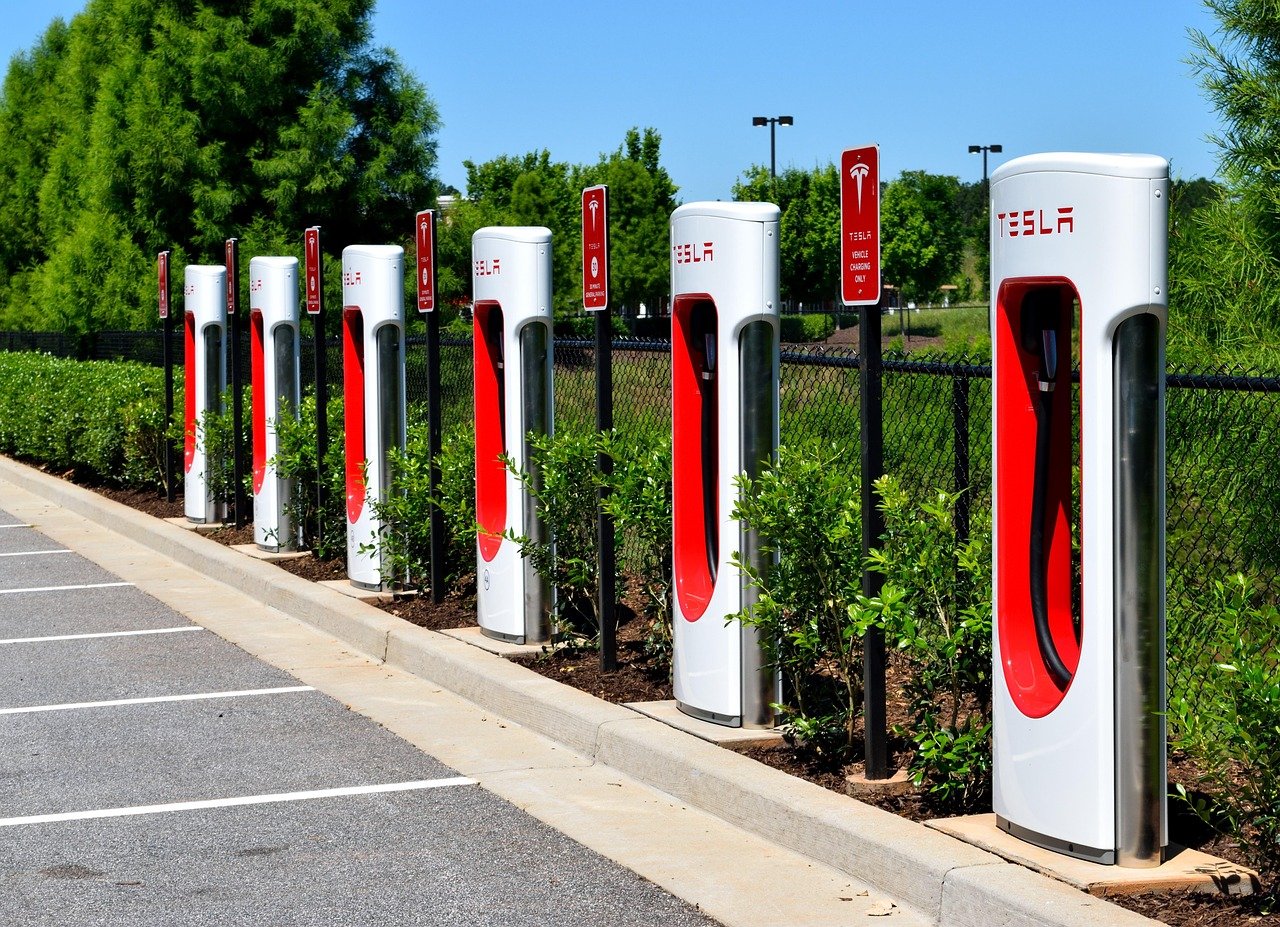
DC Fast Charging is a high-power charging method that can charge electric vehicles to 80% in under 30 minutes. This approach is critical for long-distance electric vehicle travel, as it provides a rapid recharge. DC Fast Charging stations are typically found along highways and in public areas where drivers are more likely to need a quick charge.
Plus Points:
- Speed: Charges vehicles significantly faster than AC charging methods.
- Convenience for Long-Distance Travel: Enables electric vehicle owners to undertake long journeys with minimal charging time.
- Public Accessibility: Often located in convenient public areas, such as service stations and rest stops.
What Needs Work:
- Infrastructure Cost: Requires significant investment in specialized charging equipment.
- Technical Complexity: Higher risk of technical issues due to the complexity of the charging system.
| Charging Method | Charging Speed | Infrastructure Requirements |
|---|---|---|
| AC Level 1 | Slow (up to 5 miles of range per hour) | Standard Household Outlet |
| DC Fast Charging | Fast (up to 250 miles of range in 30 minutes) | Specialized High-Power Charging Equipment |
Why This Matters to You
The development and deployment of efficient EVSE are crucial for the widespread adoption of electric vehicles. Understanding the different types of EVSE and their implications helps in making informed decisions about electric vehicle ownership and the development of charging infrastructure.
✔ Increased Accessibility
Comprehensive EVSE infrastructure increases the accessibility of electric vehicles to a broader audience, making them a more viable option for daily commuting and long-distance travel.
✔ Reduced Charging Time
Advancements in EVSE, such as DC Fast Charging, significantly reduce charging times, making electric vehicles more appealing to those who require quick and convenient charging solutions.
✔ Environmental Benefits
The transition to electric vehicles, facilitated by efficient EVSE, contributes to a reduction in greenhouse gas emissions, supporting global efforts to combat climate change.
✔ Economic Advantages
Investment in EVSE infrastructure can stimulate local economies through the creation of jobs in the electric vehicle and charging industries.
✔ Technological Innovation
The ongoing development of EVSE drives technological innovation, pushing the boundaries of what is possible in terms of charging speed, efficiency, and convenience.
Where This Is Headed
- Integration of Renewable Energy Sources: Future EVSE systems are likely to incorporate renewable energy sources, such as solar or wind power, to charge electric vehicles, further reducing their carbon footprint.
- Expansion of Charging Networks: The development of extensive and accessible charging networks will be crucial for the widespread adoption of electric vehicles, making long-distance travel and daily commuting easier and more convenient.
- Advancements in Charging Technology: Ongoing research and development are expected to lead to faster, more efficient, and more cost-effective charging solutions, enhancing the overall electric vehicle ownership experience.
- Increase in Public-Private Partnerships: Collaborations between government entities and private companies will play a significant role in the deployment of EVSE infrastructure, supporting the transition to electric vehicles.
- Standardization of Charging Standards: Efforts to standardize charging standards globally will facilitate the development of a unified EVSE infrastructure, making it easier for electric vehicle owners to charge their vehicles anywhere in the world.
The Bottom Line
Electric Vehicle Supply Equipment (EVSE) is a fundamental component of the electric vehicle ecosystem, and its development is pivotal to the success of electric vehicles. As technology advances and the demand for sustainable transportation solutions increases, the importance of understanding and investing in efficient EVSE will only continue to grow. The future of electric vehicles depends on the ability to provide convenient, efficient, and accessible charging solutions, making EVSE a critical area of focus for both industry stakeholders and consumers alike.