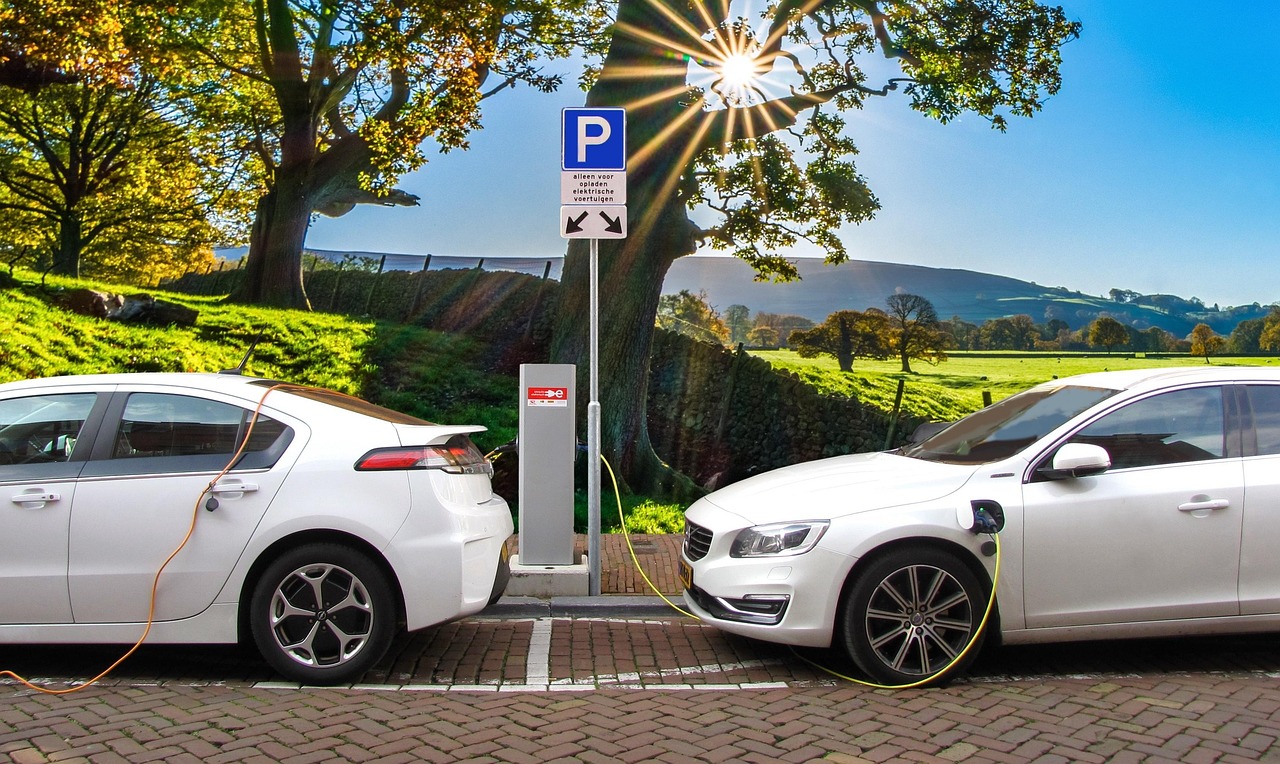
Most people underestimate the complexity and importance of electric vehicle (EV) infrastructure. The general perception is that EV infrastructure merely involves installing charging stations. However, it encompasses a broad range of components, including charging technology, grid management, and public policy. The development of EV infrastructure is crucial for the widespread adoption of electric vehicles, which is essential for reducing greenhouse gas emissions and mitigating climate change. The lack of understanding about EV infrastructure hinders its development and implementation.
Breaking Down EV Infrastructure
EV infrastructure refers to the network of components that support the charging of electric vehicles. This includes charging stations, which can be further categorized into Level 1, Level 2, and DC Fast Charging stations, each with different charging speeds and requirements. EV infrastructure also involves the backend systems that manage charging, such as payment processing, user authentication, and energy management. Moreover, it encompasses the public policies and regulations that govern the installation and operation of charging stations, as well as the standards for charging technology and safety.
Major EV Infrastructure Developments
1. Expansion of Charging Networks
The expansion of charging networks is a critical development in EV infrastructure. This involves the installation of new charging stations in public and private locations, including shopping centers, parking garages, and along highways. The expansion of charging networks aims to increase the convenience and accessibility of EV charging, thereby encouraging the adoption of electric vehicles.
- Key Benefits:
- Increased convenience for EV owners
- Reduced range anxiety
- Encourages the adoption of electric vehicles
- Current Limitations:
- High upfront costs for installation
- Limited standardization of charging technology
- Dependence on grid capacity
2. Advancements in Charging Technology
Advancements in charging technology are another significant development in EV infrastructure. This includes the development of faster charging speeds, more efficient charging systems, and the integration of renewable energy sources into charging stations. The advancements in charging technology aim to reduce charging times, increase the efficiency of charging, and decrease the environmental impact of EV charging.
- Key Benefits:
- Faster charging speeds
- Increased efficiency of charging
- Integration with renewable energy sources
- Current Limitations:
- Higher costs for advanced charging technology
- Compatibility issues with existing infrastructure
- Dependence on grid capacity
| Charging Type | Charging Speed | Requirements |
|---|---|---|
| Level 1 | 2-5 miles per hour | 120V, 12-16 amps |
| Level 2 | 10-20 miles per hour | 240V, 30-40 amps |
| DC Fast Charging | 60-80 miles per 20 minutes | 480V, 100-200 amps |
How This Affects Everyday Life
✔ Increased adoption of electric vehicles
This leads to a reduction in greenhouse gas emissions and air pollution, resulting in a healthier environment and improved public health.
✔ Reduced dependence on fossil fuels
This contributes to energy security, reduces the impact of price volatility, and promotes economic growth.
✔ Creation of new job opportunities
The development and installation of EV infrastructure create new job opportunities in manufacturing, installation, and maintenance, contributing to economic growth and development.
✔ Improved air quality
The reduction in emissions from electric vehicles leads to improved air quality, resulting in healthier communities and reduced healthcare costs.
✔ Enhanced energy efficiency
Electric vehicles and EV infrastructure promote energy efficiency, reducing energy consumption and greenhouse gas emissions.
✔ Increased convenience for drivers
The expansion of charging networks and advancements in charging technology provide greater convenience for drivers, reducing range anxiety and increasing the adoption of electric vehicles.
Where This Is Headed
- Increased investment in EV infrastructure, driven by government policies and private investment
- Advancements in charging technology, including faster charging speeds and integration with renewable energy sources
- Expansion of charging networks, including the installation of charging stations in rural and underserved areas
- Development of new business models, including subscription-based charging services and charging-as-a-service
- Integration of EV infrastructure with other modes of transportation, such as public transit and ride-sharing
- Increased focus on energy efficiency and grid management, including the use of smart charging and vehicle-to-grid technology
The Big Picture
EV infrastructure is a critical component of the transition to a low-carbon transportation sector. The development and expansion of EV infrastructure will continue to play a key role in reducing greenhouse gas emissions and promoting energy efficiency. As the world moves towards a more sustainable and environmentally friendly transportation system, the importance of EV infrastructure will only continue to grow.
The future of EV infrastructure is intertwined with advancements in technology, changes in consumer behavior, and the development of supportive policies and regulations. Understanding the complexities and challenges of EV infrastructure is essential for navigating this transition and creating a more sustainable transportation system.
The growth and development of EV infrastructure will have far-reaching impacts on the environment, the economy, and society as a whole. As the world continues to evolve and adapt to new technologies and challenges, the importance of EV infrastructure will remain a constant, driving force towards a more sustainable and environmentally friendly future.