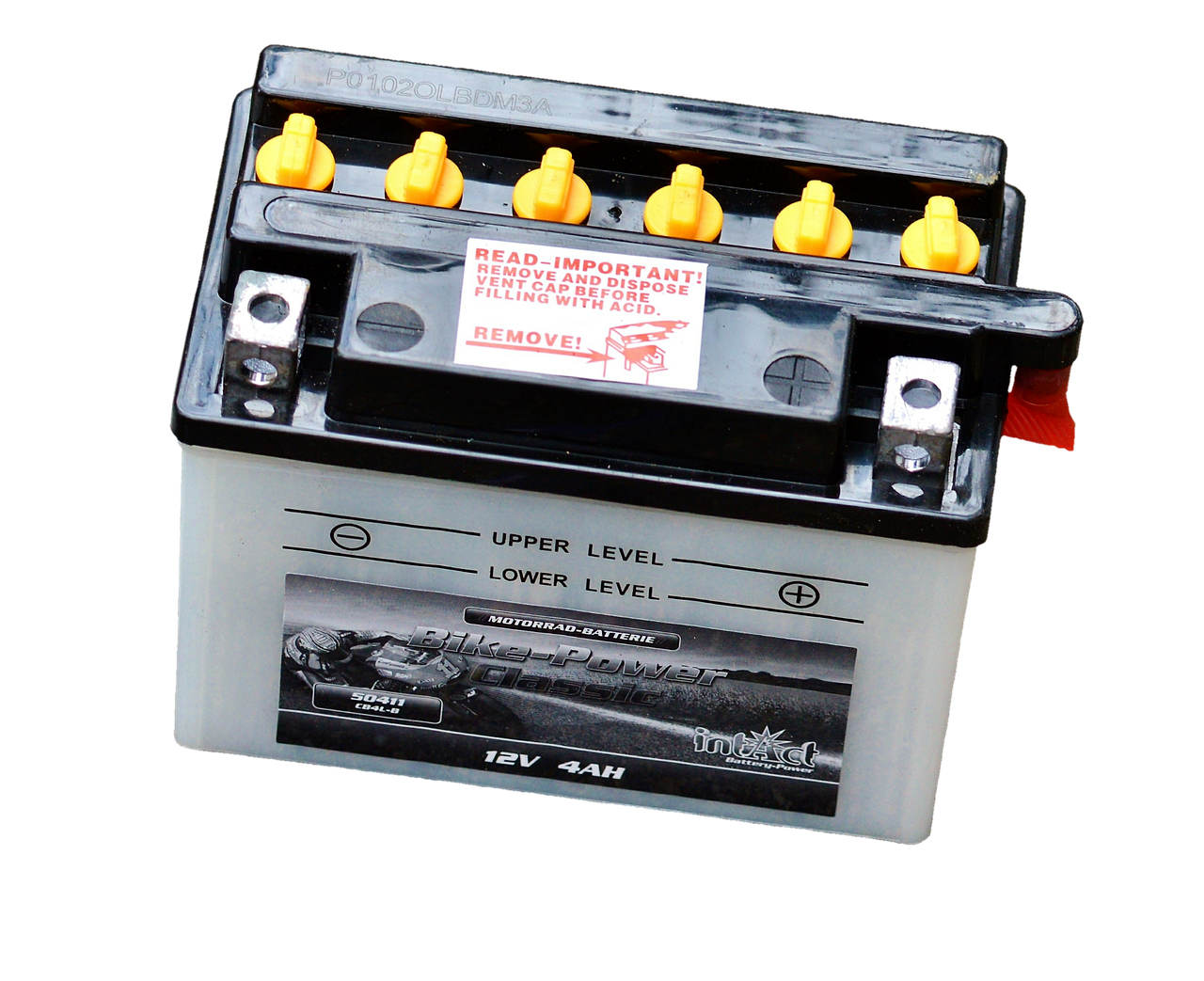
Despite the promise of solid-state batteries, a staggering 75% of early prototypes fail to meet their expected lifespan, with many experiencing significant capacity loss after just a few hundred charge cycles. This issue stems from a variety of common mistakes made during the development process. Solid-state batteries are designed to replace the liquid electrolyte in traditional lithium-ion batteries with a solid material, enhancing safety and potentially energy density. However, achieving this without compromising performance has proven challenging.
The complexity of solid-state battery design requires meticulous attention to detail to avoid pitfalls that can drastically reduce the battery’s overall efficiency and reliability. From material selection to manufacturing processes, each step plays a critical role in determining the final product’s quality and performance. As research and development in this field continue to advance, understanding and addressing these common mistakes is essential for the successful commercialization of solid-state batteries.
With the global push towards more sustainable and efficient energy storage solutions, the demand for reliable and high-performance solid-state batteries is on the rise. Manufacturers and researchers are under increasing pressure to deliver products that not only meet but exceed current standards. The path to perfecting solid-state battery technology is fraught with challenges, but the potential rewards make the endeavor worthwhile.
What Is a Solid-State Battery?
A solid-state battery is a type of battery that replaces the liquid or gel-like electrolyte found in traditional lithium-ion batteries with a solid material. This design aims to improve safety by reducing the risk of leaks and thermal runaway, which can lead to battery fires. Solid-state batteries also have the potential to increase energy density, allowing for more power to be stored in a smaller space, and to enhance charging speeds.
Major Solid-State Battery Developments
1. Material Selection
The choice of materials for the solid electrolyte and electrodes is critical in the development of solid-state batteries. The ideal material should have high ionic conductivity, be chemically stable, and compatible with the electrodes. Researchers have been exploring various materials, including oxides, sulfides, and phosphates, each with its own advantages and challenges.
- Why It Works:
- High ionic conductivity enables faster charging and discharging.
- Chemical stability ensures the material does not degrade over time.
- Compatibility with electrodes is crucial for efficient ion transport.
- Hurdles to Overcome:
- Cost: Some materials with desirable properties can be expensive.
- Scalability: Ensuring consistent quality when scaling up production.
- Toxicity: Some materials may pose environmental or health risks.
2. Manufacturing Processes
The manufacturing process of solid-state batteries involves several steps, including material synthesis, electrode fabrication, and cell assembly. Each step requires precise control to ensure the quality and performance of the final product. Innovations in manufacturing technologies are crucial for reducing costs and improving efficiency.
- Why It Works:
- Precision in manufacturing leads to consistent product quality.
- Efficient processes can lower production costs.
- Innovative technologies can enhance material properties.
- Hurdles to Overcome:
- Complexity: The process involves multiple delicate steps.
- Cost of Equipment: Advanced manufacturing technologies can be expensive.
- Scaling Up: Maintaining quality when increasing production volumes.
| Material | Ionic Conductivity | Chemical Stability | Compatibility |
|---|---|---|---|
| Oxides | High | Good | Excellent |
| Sulfides | Very High | Fair | Good |
| Phosphates | Moderate | Excellent | Good |
Why People Are Paying Attention
✔ Enhanced Safety
Solid-state batteries are designed to be safer than traditional lithium-ion batteries by eliminating the risk of battery fires and explosions caused by liquid electrolyte leakage.
✔ Higher Energy Density
By potentially increasing energy density, solid-state batteries could enable the development of smaller, lighter devices with longer battery life, or larger devices with comparable or better performance than current models.
✔ Faster Charging
The solid electrolyte in solid-state batteries can facilitate faster ion transport, leading to quicker charging times and making them more convenient for everyday use.
✔ Longer Lifespan
Solid-state batteries are projected to have a longer cycle life compared to traditional batteries, reducing the need for frequent replacements and potentially saving consumers money in the long run.
✔ Environmental Benefits
With the potential for reduced material usage and lower environmental impact during production, solid-state batteries could offer a more sustainable option for energy storage.
The Next 5 Years
- Increased investment in solid-state battery research and development, driving innovation and improvements in technology.
- Commercialization of the first generation of solid-state batteries, focusing on niche applications where their benefits are most pronounced.
- Expansion of manufacturing capabilities to meet growing demand, with companies scaling up production to reduce costs and increase availability.
- Integration of solid-state batteries into consumer electronics, starting with high-end devices and gradually moving to more mainstream products.
- Development of standards and regulations for the safe use and disposal of solid-state batteries, ensuring environmental protection and public safety.
Wrapping Up
Solid-state batteries represent a significant leap forward in energy storage technology, offering enhanced safety, higher energy density, and faster charging speeds. However, overcoming common mistakes in their development is crucial for realizing these benefits. As the field continues to evolve, addressing these challenges will be key to the successful commercialization and widespread adoption of solid-state batteries.
The future of solid-state batteries looks promising, with ongoing research and development aimed at resolving current limitations and improving performance. Understanding the common mistakes and challenges in solid-state battery development is essential for advancing this technology and harnessing its full potential.