Imagine a world where portable devices and electric vehicles are powered by efficient, long-lasting batteries. This is the reality made possible by lithium-ion batteries. These batteries have become an essential component in many modern devices, from smartphones to laptops and electric cars. However, their development and impact are not without challenges. As technology continues to evolve, it’s crucial to understand the advancements and limitations of lithium-ion batteries.
What Is Lithium-Ion Battery?
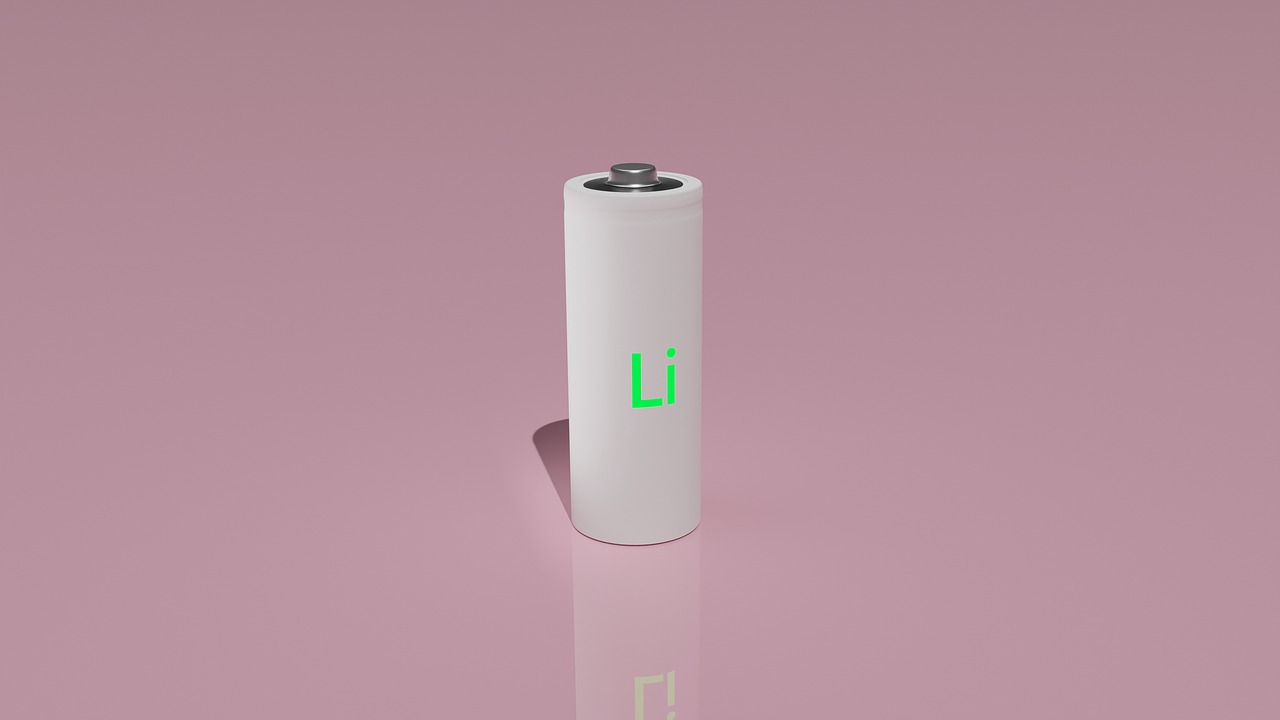
A lithium-ion battery is a type of rechargeable battery that uses lithium ions to store energy. The battery consists of a positive cathode and a negative anode, separated by an electrolyte. When the battery is charged, lithium ions move from the cathode to the anode, and when it’s discharged, they move back to the cathode. This process allows for high energy density, long cycle life, and relatively low self-discharge rates, making lithium-ion batteries ideal for a wide range of applications.
Top Lithium-Ion Innovations to Know
1. Solid-State Batteries
Solid-state batteries replace the liquid electrolyte in traditional lithium-ion batteries with a solid material. This innovation aims to improve safety, increase energy density, and enable faster charging speeds. Solid-state batteries have the potential to significantly enhance the performance and lifespan of lithium-ion batteries.
- Key Benefits:
- Improved safety due to reduced risk of electrolyte leakage and thermal runaway
- Increased energy density, allowing for more power in smaller sizes
- Potential for faster charging speeds
- Current Limitations:
- Higher production costs compared to traditional lithium-ion batteries
- Challenges in scaling up manufacturing processes
- Limited compatibility with existing battery management systems
2. Lithium-Air Batteries
Lithium-air batteries, also known as lithium-oxygen batteries, have the potential to offer much higher energy density than traditional lithium-ion batteries. They work by reacting lithium with oxygen from the air to generate electricity. This technology could lead to the development of batteries with significantly longer lifetimes and lower weights.
- Key Benefits:
- Potentially much higher energy density than lithium-ion batteries
- Could enable the development of electric vehicles with ranges comparable to gasoline-powered cars
- Might reduce the overall weight of batteries, improving efficiency and reducing material costs
- Current Limitations:
- Complexity in managing the reaction between lithium and oxygen
- Challenges in developing efficient and reliable air electrodes
- Potential for moisture and carbon dioxide to affect battery performance and lifespan
| Battery Type | Energy Density | Cycle Life | Charge/Discharge Rate |
|---|---|---|---|
| Lithium-Ion | 100-265 Wh/kg | 300-1000 cycles | 1-5C |
| Solid-State | 150-350 Wh/kg | 500-2000 cycles | 5-10C |
| Lithium-Air | 1000-3500 Wh/kg | Unknown | Unknown |
Practical Takeaways
✔ Improved Energy Density
The development of solid-state and lithium-air batteries offers the potential for significant increases in energy density, allowing for more powerful and longer-lasting batteries in smaller sizes.
✔ Enhanced Safety
Solid-state batteries, in particular, aim to reduce the risk of thermal runaway and electrolyte leakage, enhancing the overall safety of lithium-ion battery technology.
✔ Faster Charging
Innovations such as solid-state batteries may enable faster charging speeds, reducing the time it takes to charge devices and vehicles.
✔ Increased Cycle Life
Advancements in lithium-ion battery technology are leading to longer cycle lives, which means batteries can be charged and discharged more times before their capacity starts to degrade.
✔ Potential for Widespread Adoption
The improvements in lithium-ion batteries could lead to their more widespread adoption in electric vehicles and renewable energy systems, contributing to a cleaner and more sustainable energy future.
✔ Challenges in Manufacturing and Cost
Despite the potential benefits, new battery technologies face challenges in manufacturing scalability and cost reduction, which are crucial for their commercial viability.
What to Expect Next
- Continued investment in solid-state battery research and development
- Advancements in lithium-air battery technology, potentially leading to prototypes and early adopters
- Increased focus on recycling and sustainability of lithium-ion batteries to reduce environmental impact
- Growing demand for lithium-ion batteries in electric vehicles and renewable energy storage
- Expansion of battery manufacturing capacities worldwide to meet rising demand
- Potential breakthroughs in alternative battery technologies that could challenge lithium-ion dominance
One Last Thing
The future of energy storage is closely tied to the development and innovation of lithium-ion batteries. As research continues and new technologies emerge, the potential for more efficient, safer, and sustainable energy solutions grows. Understanding the current state and future prospects of lithium-ion batteries is essential for industries and individuals alike, as the world moves towards a more energy-efficient and environmentally conscious future.
The impact of lithium-ion battery innovations will be felt across various sectors, from consumer electronics to automotive and renewable energy. As these technologies continue to evolve, they will play a critical role in shaping the world’s energy landscape.