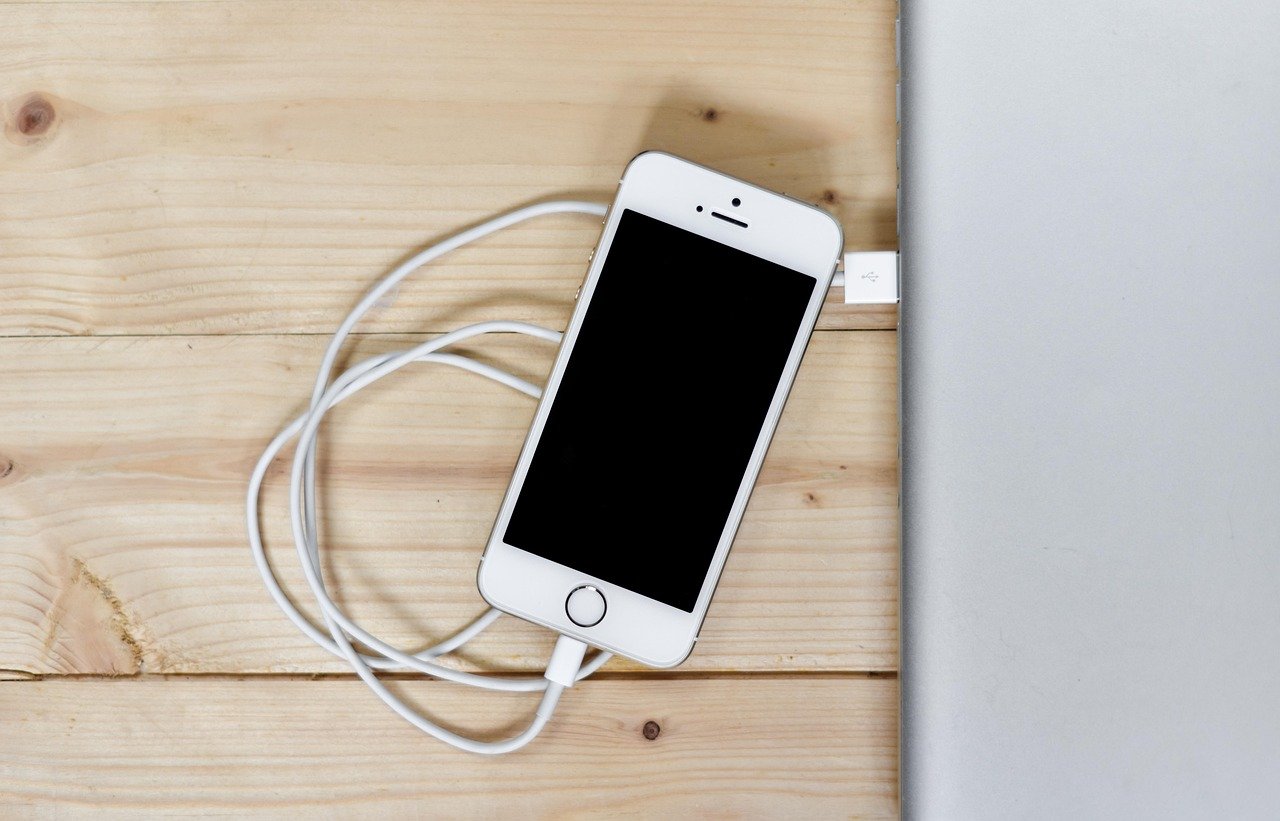
Approximately 30% of smartphone users utilize wireless charging, a technology that has been around for over a century. Despite its long history, wireless charging has only recently gained widespread acceptance. The first wireless charging pad was introduced in 2008, but it wasn’t until 2015 that the technology started to gain mainstream traction. Today, wireless charging is a standard feature in many high-end smartphones.
The Basics of Wireless Charging
Wireless charging, also known as inductive charging, is a method of transferring energy from a power source to a device without the use of wires or cables. It relies on the principle of electromagnetic induction, where an electric current is generated in a conductor by changing the magnetic field around it. This allows devices to be charged simply by placing them on a charging pad or surface.
Major Wireless Charging Developments
1. Qi Standard
The Qi standard, developed by the Wireless Power Consortium, is the most widely used wireless charging standard. It ensures compatibility and safety across different devices and chargers, making it easier for consumers to find compatible charging pads.
- Why It Works:
- Universal compatibility: The Qi standard allows devices from different manufacturers to be charged on the same pad.
- Efficient energy transfer: The Qi standard optimizes energy transfer, reducing heat and increasing charging speed.
2. Fast Charging
Fast charging technology has significantly improved the speed of wireless charging, allowing devices to charge up to 80% in just 30 minutes. This is made possible by increasing the power output of the charging pad and optimizing the device’s charging circuitry.
- Why It Works:
- Increased power output: Fast charging pads can deliver up to 15W of power, significantly faster than standard 5W charging pads.
- Optimized charging circuitry: Devices with fast charging capabilities have optimized charging circuitry, allowing them to safely handle higher power inputs.
- Known Issues:
- Heat generation: Fast charging can generate excessive heat, which can reduce the lifespan of the device’s battery.
- Compatibility: Not all devices are compatible with fast charging, and some may require specific charging pads or adapters.
| Charging Standard | Power Output | Charging Speed |
|---|---|---|
| Qi Standard | 5W | Standard |
| Fast Charging | 15W | Fast |
Why People Are Paying Attention
✔ Convenience
Wireless charging offers a convenient and clutter-free way to charge devices, eliminating the need for cables and reducing wear and tear on charging ports.
✔ Safety
Wireless charging reduces the risk of electrical shock and fire hazards associated with damaged or exposed cables.
✔ Efficiency
Wireless charging can be more efficient than traditional wired charging, reducing energy waste and minimizing the environmental impact of charging devices.
✔ Compatibility
The Qi standard ensures compatibility across different devices and chargers, making it easier for consumers to find compatible charging pads.
✔ Innovation
Wireless charging has enabled innovative products and designs, such as wireless charging furniture and accessories.
Emerging Directions
- Long-range wireless charging: Technology that allows devices to be charged from a distance, eliminating the need for charging pads.
- Wireless charging for electric vehicles: Wireless charging stations for electric vehicles, making it easier and more convenient to charge on the go.
- Intelligent charging: Charging systems that optimize energy transfer and reduce waste, using advanced algorithms and sensors.
- Multi-device charging: Charging pads and surfaces that can charge multiple devices simultaneously, streamlining the charging process.
- Biometric authentication: Charging systems that integrate biometric authentication, enhancing security and convenience.
- Energy harvesting: Technology that captures and converts ambient energy into electrical energy, enabling self-sustaining devices.
The Big Picture
Wireless charging is transforming the way devices are powered, offering a convenient, safe, and efficient solution for consumers. As the technology continues to evolve, it is expected to play a significant role in shaping the future of energy transfer and device design.
The widespread adoption of wireless charging will likely have a profound impact on the environment, reducing electronic waste and minimizing the carbon footprint of charging devices.
As the world becomes increasingly dependent on mobile devices, wireless charging will continue to play a vital role in powering the future of technology.