Renewable energy integration is revolutionizing the way we produce and consume energy, enabling a significant reduction in greenhouse gas emissions and mitigating the impact of climate change. As the world shifts towards a more sustainable future, renewable energy integration has become a crucial aspect of the energy sector. The integration of renewable energy sources, such as solar and wind power, into the existing energy grid is a complex process that requires careful planning and execution. With the increasing demand for clean energy, renewable energy integration is becoming a vital component of the global energy mix.
The Basics of Renewable Energy Integration
Renewable energy integration refers to the process of incorporating renewable energy sources, such as solar, wind, hydro, and geothermal power, into the existing energy grid. This process involves the coordination of multiple energy sources, energy storage systems, and grid management systems to ensure a stable and reliable energy supply. The goal of renewable energy integration is to reduce dependence on fossil fuels, decrease greenhouse gas emissions, and promote energy sustainability.
Renewable Energy Integration Methods Worth Knowing
1. Solar Energy Integration
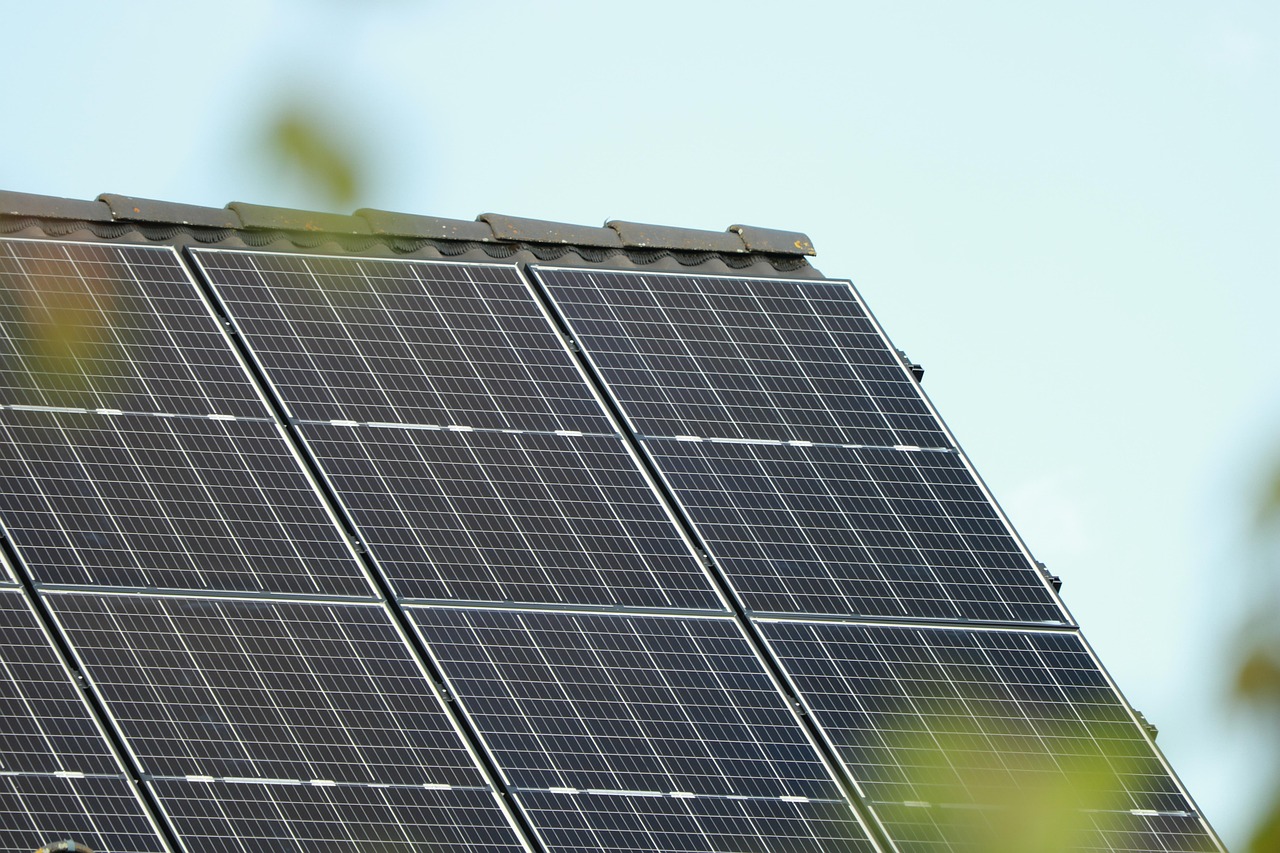
Solar energy integration involves the connection of solar panels to the energy grid, allowing households and businesses to generate their own clean energy. This method of renewable energy integration has become increasingly popular in recent years due to the decreasing cost of solar panels and the increasing efficiency of solar energy systems.
- Advantages:
- Reduced energy costs
- Increased energy independence
- Low maintenance requirements
- Hurdles to Overcome:
- High upfront costs
- Intermittent energy supply
- Energy storage requirements
2. Wind Energy Integration
Wind energy integration involves the connection of wind turbines to the energy grid, allowing for the generation of clean energy from wind power. This method of renewable energy integration has become a vital component of the global energy mix, with wind farms being developed in many countries around the world.
- Advantages:
- High energy production capacity
- Low operating costs
- Reduced greenhouse gas emissions
- Hurdles to Overcome:
- High upfront costs
- Noise pollution
- Visual impact
| Renewable Energy Source | Energy Production Capacity | Cost per Unit of Energy |
|---|---|---|
| Solar Energy | 10-20 kW | $0.05-0.10 per kWh |
| Wind Energy | 50-100 kW | $0.03-0.06 per kWh |
Real-World Benefits
✔ Reduced Greenhouse Gas Emissions
Rapidly integrating renewable energy sources into the energy mix can significantly reduce greenhouse gas emissions, contributing to a cleaner environment and mitigating the impact of climate change.
✔ Improved Energy Security
Renewable energy integration enhances energy security by reducing dependence on fossil fuels, promoting energy sustainability, and enabling countries to meet their energy demands from domestic renewable energy sources.
✔ Creation of New Job Opportunities
The renewable energy sector is creating new job opportunities in manufacturing, installation, and maintenance, contributing to economic growth and development.
✔ Reduced Energy Costs
Renewable energy integration can reduce energy costs for households and businesses, as the cost of renewable energy technologies continues to decrease and become more competitive with fossil fuels.
✔ Improved Air Quality
Renewable energy integration can improve air quality by reducing air pollution from fossil fuels, contributing to a healthier environment and improving public health.
✔ Enhanced Energy Efficiency
Renewable energy integration promotes energy efficiency by optimizing energy production and consumption, reducing energy waste, and enabling the development of smart grids and energy storage systems.
What Researchers Are Working On
- Developing more efficient renewable energy technologies
- Improving energy storage systems
- Enhancing grid management systems
- Increasing the use of smart grids and IoT devices
- Promoting energy sustainability and reducing energy poverty
- Developing new business models for renewable energy integration
The Bottom Line
Renewable energy integration is a critical component of the global energy mix, enabling a significant reduction in greenhouse gas emissions and promoting energy sustainability. As the world continues to transition towards a more sustainable future, renewable energy integration will play an increasingly important role in shaping the energy sector. With ongoing research and development, renewable energy integration is expected to become even more efficient, cost-effective, and widely adopted in the years to come.