Before the advent of regenerative braking, vehicles relied solely on traditional friction-based braking systems, which converted kinetic energy into heat, resulting in significant energy loss and brake wear. However, with the introduction of regenerative braking, vehicles can now capture and convert kinetic energy into electrical energy, reducing wear on brakes and improving fuel efficiency. This technology has been implemented in various forms of transportation, including electric and hybrid vehicles, trains, and bicycles. As a result, regenerative braking has become a crucial component in the development of sustainable and efficient transportation systems.
Defining Regenerative Braking
Regenerative braking is a technology that captures kinetic energy and converts it into electrical energy, which is then stored in a battery or used to power the vehicle. This process reduces the amount of kinetic energy that is converted into heat, resulting in less wear on the brakes and improved fuel efficiency. Regenerative braking systems typically consist of an electric motor, a battery, and a control unit, which work together to capture and convert kinetic energy into electrical energy.
Key Regenerative Braking Advancements
1. Electric and Hybrid Vehicles
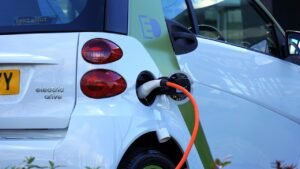
Electric and hybrid vehicles have been at the forefront of regenerative braking technology, with many manufacturers incorporating this feature into their vehicles. Regenerative braking in these vehicles captures kinetic energy and converts it into electrical energy, which is then stored in the battery and used to power the vehicle.
- Strengths:
- Improved fuel efficiency
- Reduced brake wear
- Environmental benefits
- Challenges:
- High upfront costs
- Complexity of the system
- Dependence on battery technology
2. Trains and Railways
Regenerative braking has also been implemented in trains and railways, where it is used to capture kinetic energy and convert it into electrical energy. This energy is then fed back into the power grid, reducing the amount of energy required to power the train and improving overall efficiency.
- Strengths:
- Energy savings
- Reduced wear on brakes
- Environmental benefits
- Challenges:
- High upfront costs
- Complexity of the system
- Dependence on infrastructure
| Vehicle Type | Regenerative Braking System | Benefits |
|---|---|---|
| Electric Vehicles | Electric motor and battery | Improved fuel efficiency, reduced brake wear |
| Hybrid Vehicles | Electric motor and battery, combined with internal combustion engine | Improved fuel efficiency, reduced emissions |
| Trains and Railways | Electric motor and power grid | Energy savings, reduced wear on brakes |
Why People Are Paying Attention
Regenerative braking has gained significant attention in recent years due to its potential to improve fuel efficiency, reduce emissions, and promote sustainable transportation. Some of the key benefits of regenerative braking include:
✔ Improved Fuel Efficiency
Regenerative braking can improve fuel efficiency by capturing kinetic energy and converting it into electrical energy, which can then be used to power the vehicle.
✔ Reduced Emissions
Regenerative braking can reduce emissions by improving fuel efficiency and reducing the amount of energy required to power the vehicle.
✔ Environmental Benefits
Regenerative braking can promote sustainable transportation by reducing the amount of energy required to power vehicles and improving fuel efficiency.
✔ Reduced Brake Wear
Regenerative braking can reduce brake wear by capturing kinetic energy and converting it into electrical energy, rather than converting it into heat.
✔ Energy Savings
Regenerative braking can result in energy savings by reducing the amount of energy required to power vehicles and improving overall efficiency.
How This Will Evolve
- Advances in battery technology will improve the efficiency and effectiveness of regenerative braking systems
- Increased adoption of electric and hybrid vehicles will drive demand for regenerative braking technology
- Regenerative braking will become a standard feature in many types of vehicles, including trains and bicycles
- Regenerative braking will be integrated with other sustainable transportation technologies, such as solar power and wind power
- Regenerative braking will play a key role in reducing emissions and promoting sustainable transportation
- Regenerative braking will continue to evolve and improve, with new technologies and innovations emerging in the coming years
One Last Thing
Regenerative braking is a technology that has the potential to revolutionize the way we think about transportation and energy. By capturing kinetic energy and converting it into electrical energy, regenerative braking can improve fuel efficiency, reduce emissions, and promote sustainable transportation. As this technology continues to evolve and improve, it is likely to play an increasingly important role in shaping the future of transportation.