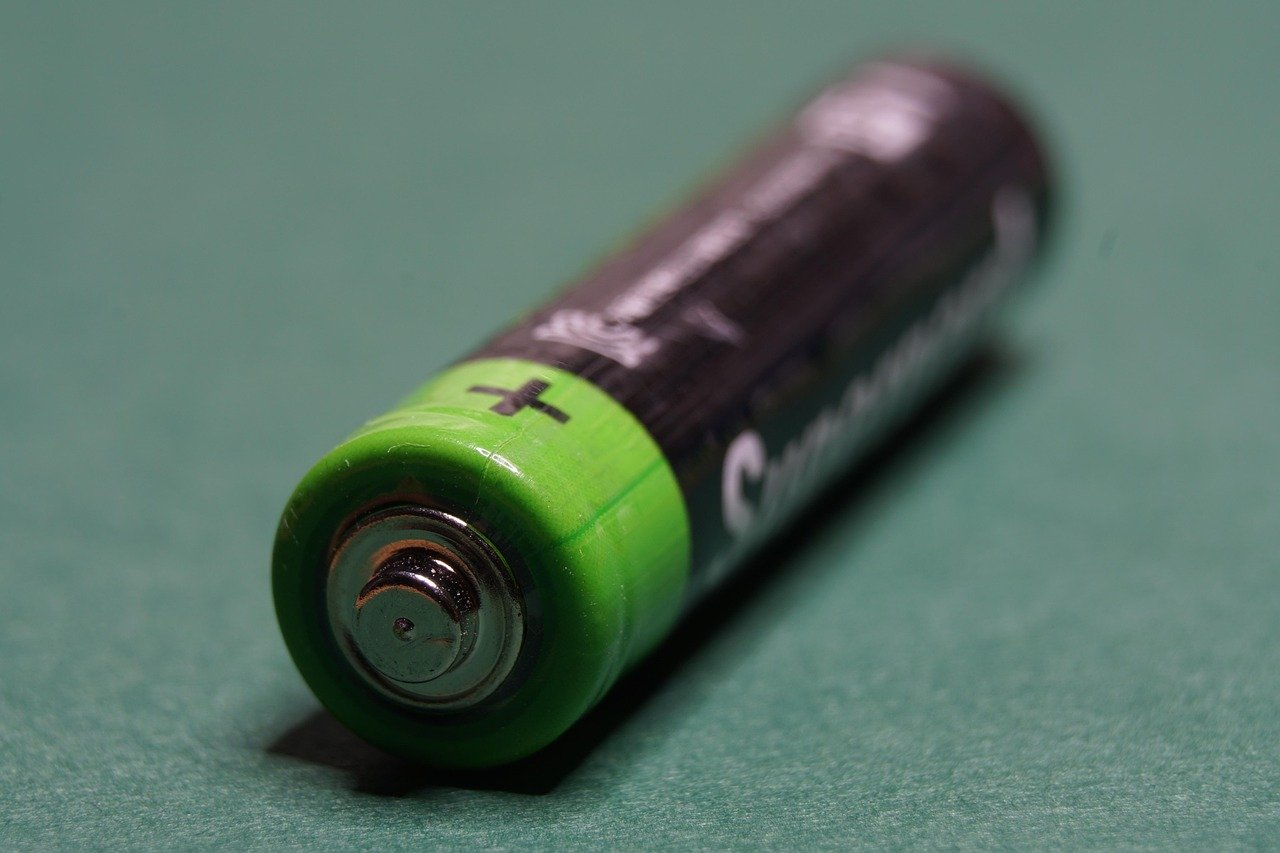
A staggering 90% of portable electronics and a significant percentage of electric vehicles rely on lithium-ion batteries, highlighting their importance in modern technology. Despite their widespread use, lithium-ion batteries still pose safety risks and have limitations in terms of energy density and charging speeds. Ongoing research aims to address these challenges through the development of advanced strategies. The demand for more efficient, safer, and environmentally friendly batteries drives innovation in this field.
The Basics of Lithium-ion Batteries
Lithium-ion batteries are a type of rechargeable battery that uses lithium ions to store energy. They consist of three main components: a positive cathode, a negative anode, and an electrolyte that facilitate the movement of lithium ions between the electrodes during charging and discharging. The high energy density, long cycle life, and relatively low self-discharge rate make lithium-ion batteries a preferred choice for many applications.
Key Lithium-ion Advancements
1. Solid-State Batteries
Solid-state batteries are designed to replace the liquid electrolyte with a solid material, enhancing safety by reducing the risk of thermal runaway and improving energy density. This innovation could significantly impact the electric vehicle industry by allowing for faster charging and longer driving ranges.
- Plus Points:
- Improved safety due to reduced risk of overheating and fires
- Potential for higher energy density, leading to longer battery life
- Faster charging capabilities
- Hurdles to Overcome:
- Higher production costs compared to traditional lithium-ion batteries
- Challenges in scaling up manufacturing while maintaining efficiency and safety standards
2. Lithium-Air Batteries
Lithium-air batteries, also known as lithium-oxygen batteries, have the potential to significantly increase energy density, possibly up to 10 times that of current lithium-ion batteries, by reacting lithium with oxygen from the air to generate electricity.
- Plus Points:
- Potentially much higher energy density than traditional lithium-ion batteries
- Could be more environmentally friendly due to the use of atmospheric oxygen
- Hurdles to Overcome:
- Challenges in developing efficient and reliable cathodes that can facilitate the oxygen reaction
- Issues with battery lifespan and rechargeability
| Battery Type | Energy Density | Charging Speed |
|---|---|---|
| Traditional Lithium-ion | 100-265 Wh/kg | Fast charging available |
| Solid-State Batteries | Potential for higher than 300 Wh/kg | Faster charging potential |
| Lithium-Air Batteries | Theoretical up to 10 times higher | Charging speed TBD |
Why People Are Paying Attention
✔ Enhanced Safety
Advancements in lithium-ion battery technology are crucial for reducing the risk of fires and explosions, making devices safer for consumers.
✔ Increased Energy Density
Higher energy density means that batteries can store more energy relative to their size, leading to longer battery life in portable devices and extended driving ranges in electric vehicles.
✔ Faster Charging
Faster charging capabilities can significantly impact user experience, making it more convenient to use devices throughout the day without long downtime for charging.
✔ Environmental Benefits
More efficient and sustainable battery production, along with the potential for recycling, can reduce the environmental footprint of lithium-ion batteries.
✔ Cost Reduction
As technology advances and economies of scale improve, the cost per unit of lithium-ion batteries is expected to decrease, making them more accessible for a wider range of applications.
✔ Increased Adoption of Electric Vehicles
Better battery technology is a key factor in the adoption of electric vehicles, as it addresses range anxiety and charging time concerns, making electric vehicles more competitive with traditional internal combustion engine vehicles.
Emerging Directions
- Further development of solid-state batteries to overcome current limitations and make them commercially viable
- Research into new materials and chemistries that can enhance battery performance and sustainability
- Advancements in battery management systems to optimize charging, discharging, and overall battery health
- Investment in recycling technologies to recover valuable materials from spent lithium-ion batteries
- Exploration of lithium-ion batteries in grid-scale energy storage applications
- Integration of artificial intelligence and machine learning to predict battery behavior and prevent failures
What It All Means
The ongoing advancements in lithium-ion battery technology are set to transform the way energy is stored and used across various sectors. With a focus on safety, efficiency, and sustainability, these developments are crucial for meeting the world’s increasing energy demands while reducing environmental impact.
The future of lithium-ion batteries looks promising, with potential applications in electric vehicles, renewable energy systems, and consumer electronics, driving innovation and investment in the field.
As research and development continue to push the boundaries of what is possible with lithium-ion batteries, the world can expect to see significant improvements in performance, safety, and accessibility, contributing to a more sustainable energy future.