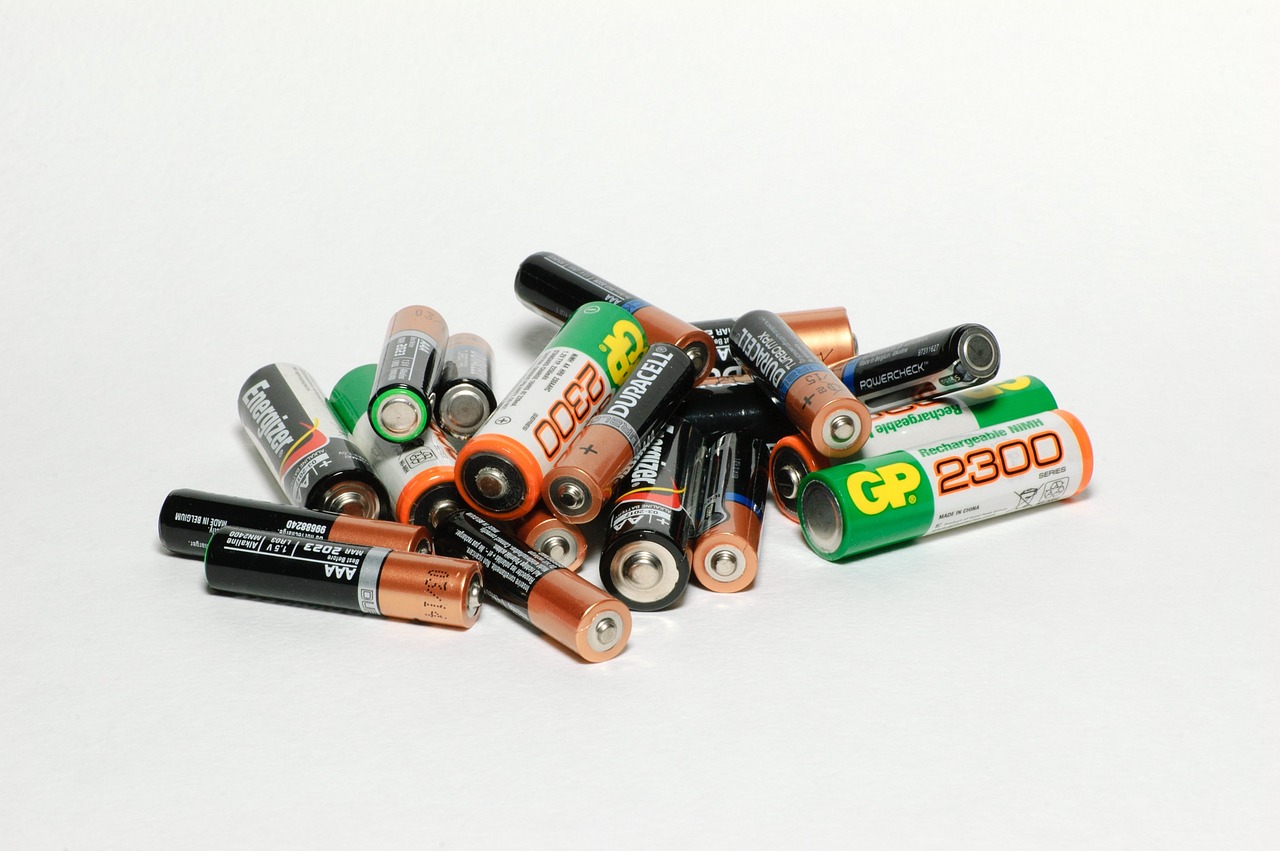
<p)Lithium-ion battery technology has been gaining significant attention in recent years due to its high energy density, long cycle life, and relatively low self-discharge rate. As the world shifts towards more sustainable and environmentally friendly energy solutions, the demand for advanced lithium-ion battery strategies has increased. The development of more efficient, safer, and cost-effective lithium-ion batteries is crucial for the widespread adoption of electric vehicles and renewable energy systems. Furthermore, advancements in lithium-ion battery technology are expected to play a vital role in reducing greenhouse gas emissions and mitigating climate change.
Defining Lithium-ion Battery Advanced Strategies
Lithium-ion battery advanced strategies refer to the innovative methods, materials, and technologies used to improve the performance, efficiency, safety, and cost-effectiveness of lithium-ion batteries. These strategies include the development of new electrode materials, advanced electrolytes, and optimized battery management systems. The primary goal of these advanced strategies is to enhance the overall performance of lithium-ion batteries, making them more suitable for a wide range of applications, from consumer electronics to electric vehicles and renewable energy systems.
Lithium-ion Battery Methods Worth Knowing
1. Solid-State Electrolytes
Solid-state electrolytes are a type of advanced material used in lithium-ion batteries to replace the traditional liquid electrolyte. This innovation aims to improve the safety, energy density, and charging speed of lithium-ion batteries. Solid-state electrolytes have the potential to eliminate the risk of thermal runaway, which is a major concern in conventional lithium-ion batteries.
- Key Benefits:
- Improved safety due to the elimination of flammable liquids
- Increased energy density, resulting in smaller and lighter batteries
- Faster charging speeds, reducing charging time
- Challenges:
- High production costs, making them less competitive than traditional lithium-ion batteries
- Technical difficulties in scaling up production while maintaining performance
2. Lithium-Rich Cobalt Oxide Cathodes
Lithium-rich cobalt oxide cathodes are another advanced strategy used in lithium-ion batteries to improve their energy density and reduce production costs. These cathodes have a higher lithium content than traditional cathodes, resulting in increased energy storage capacity.
- Key Benefits:
- Higher energy density, leading to longer battery life and better performance
- Reduced production costs due to the use of less expensive materials
- Improved charging and discharging cycle life
- Challenges:
- Potential reduction in battery safety due to the higher lithium content
- Increased complexity in manufacturing processes
| Material | Energy Density | Cost |
|---|---|---|
| Solid-State Electrolytes | High | High |
| Lithium-Rich Cobalt Oxide Cathodes | High | Medium |
The Impact on Consumers
The advanced strategies in lithium-ion battery technology are expected to have a significant impact on consumers, offering several benefits, including:
✔ Improved Battery Life
Consumers can expect longer battery life from their devices, reducing the need for frequent recharging and extending the overall lifespan of the battery.
✔ Enhanced Safety
The use of solid-state electrolytes and other advanced materials is expected to reduce the risk of battery-related accidents, providing consumers with safer products.
✔ Increased Energy Efficiency
Advances in lithium-ion battery technology will lead to more energy-efficient devices, reducing energy consumption and lowering electricity bills for consumers.
✔ Reduced Environmental Impact
The development of more efficient and sustainable lithium-ion batteries will contribute to a reduction in greenhouse gas emissions, mitigating the environmental impact of energy consumption.
✔ Lower Costs
As the production costs of advanced lithium-ion batteries decrease, consumers can expect to pay less for devices and energy storage systems, making them more accessible to a wider audience.
The Road Ahead
- Increased investment in research and development to improve lithium-ion battery technology
- Widespread adoption of electric vehicles and renewable energy systems, driving demand for advanced lithium-ion batteries
- Development of new battery technologies, such as sodium-ion and zinc-air batteries, to complement lithium-ion batteries
- Improvements in battery recycling and disposal methods to reduce environmental impact
- Expansion of energy storage applications beyond consumer electronics and electric vehicles, into areas like grid-scale energy storage
- Continued reduction in production costs, making advanced lithium-ion batteries more competitive in the market
Closing Thoughts
The development of advanced strategies for lithium-ion batteries is a critical step towards a more sustainable and environmentally friendly energy future. As technology continues to evolve, it is expected that lithium-ion batteries will play an increasingly important role in reducing greenhouse gas emissions and mitigating climate change. The impact of these advancements will be felt across various industries, from consumer electronics to renewable energy systems, and will have a significant influence on the daily lives of consumers worldwide.