Introduction
The UK is rapidly transitioning toward an electric future, with electric vehicles (EVs) becoming increasingly popular among environmentally conscious drivers. Public EV charging stations have become a common sight in cities, motorways, and even small towns across the country. Yet, for many new EV owners, one big question remains — how do you actually use a public EV charging station in the UK?
Understanding how to locate, access, and use these chargers is essential for convenient and efficient travel. This comprehensive guide will walk you through every step, from finding charging points to making payments and ensuring safe charging practices. Whether you own a full EV or a plug-in hybrid, this article provides everything you need to know. Most public ev charging station locations are listed in your car’s navigation system.
Understanding Public EV Charging Stations
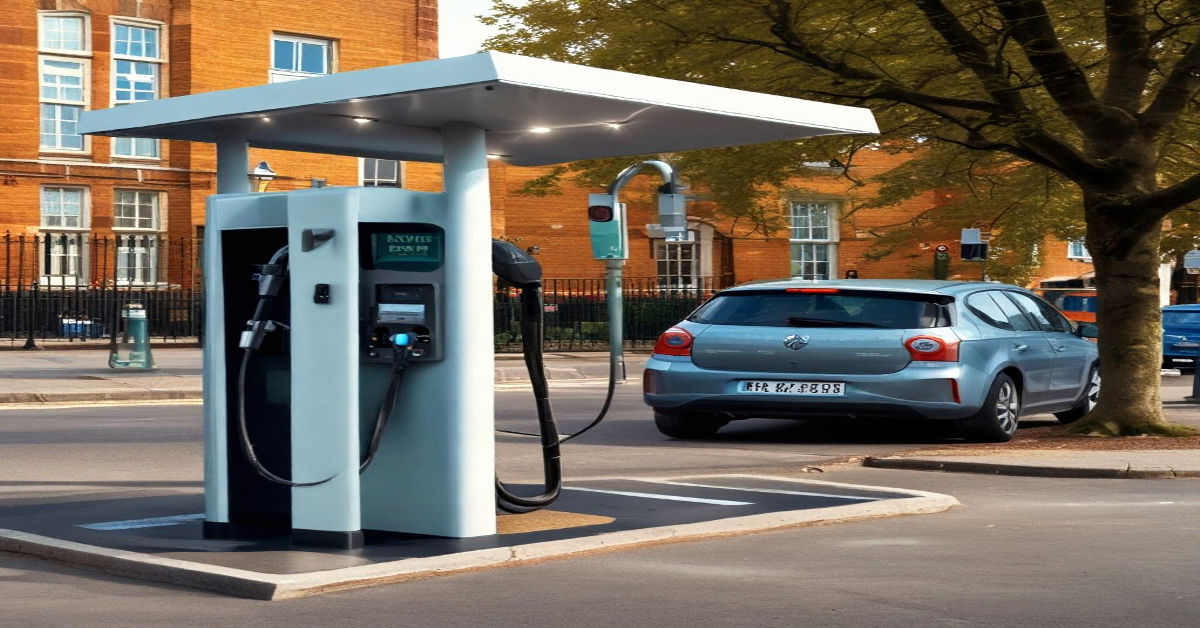
Public EV charging stations are locations equipped with chargers that supply electricity to electric vehicles. They are typically found in:
-
Car parks (retail, residential, and public)
-
Service stations on motorways
-
Supermarkets and shopping centres
-
Office buildings and hotels
-
Street-side charging points
Table: Common Locations and Their Charging Speed
| Location Type | Typical Charger Type | Average Charging Speed | Access Method |
|---|---|---|---|
| Motorway Service Areas | Rapid or Ultra-Rapid | 50–350 kW | App or Contactless |
| Supermarkets | Fast | 7–22 kW | App or Loyalty Card |
| Public Car Parks | Fast or Rapid | 22–50 kW | App or RFID Card |
| Hotels and Offices | Slow to Fast | 3–22 kW | Guest or Employee Access |
| Street Chargers | Slow or Fast | 3–7 kW | App or Pay-As-You-Go |
Types of EV Chargers in the UK
Not all EV chargers are the same. Knowing the differences helps you choose the right one depending on your vehicle and your schedule.
1. Slow Chargers (Up to 3 kW)
These are mainly used for overnight charging. You’ll find them in residential areas or small car parks. They take around 8–12 hours to fully charge most EVs.
2. Fast Chargers (7–22 kW)
Commonly installed in car parks, supermarkets, and workplaces, fast chargers can top up your EV in 3–4 hours.
3. Rapid and Ultra-Rapid Chargers (50–350 kW)
These are the quickest options available in the UK. Rapid DC chargers can recharge up to 80% of your battery in 30–45 minutes, making them ideal for long journeys.
Table: Charger Type Comparison
| Charger Type | Power Output | Typical Use Case | Charging Time (0–80%) |
|---|---|---|---|
| Slow | Up to 3 kW | Home or Overnight | 8–12 hours |
| Fast | 7–22 kW | Supermarkets & Car Parks | 3–4 hours |
| Rapid | 50–150 kW | Motorways & Service Areas | 30–60 minutes |
| Ultra-Rapid | 150–350 kW | Long-Distance Travel | 15–30 minutes |
Step-by-Step Guide: How to Use a Public EV Charging Station in the UK
Step 1: Locate a Charging Station
Before setting out, use an EV charging app or your car’s built-in navigation to find a nearby station. Popular apps in the UK include:
-
Zap-Map
-
PlugShare
-
BP Pulse App
-
Shell Recharge
-
Pod Point
-
Octopus Electroverse
These apps display real-time charger availability, connector type, cost, and even user reviews.
Step 2: Check Compatibility
Not all charging connectors fit every EV. The most common connector types in the UK are:
-
Type 2 (AC charging) – Standard for most EVs
-
CHAdeMO (DC charging) – Used by brands like Nissan and Mitsubishi
-
CCS (Combined Charging System) – Common in European and newer EVs
Always check your vehicle’s connector type before visiting a charger.
Table: Connector Compatibility Guide
| Connector Type | Charging Mode | Common Vehicle Brands | Charging Speed |
|---|---|---|---|
| Type 2 | AC | Tesla, BMW, Mercedes, VW | 3–22 kW |
| CHAdeMO | DC | Nissan, Mitsubishi | Up to 50 kW |
| CCS | DC | Kia, Hyundai, VW, Ford | Up to 350 kW |
Step 3: Plug In Your Vehicle
Once you park near the charger:
-
Ensure your car is turned off and in park mode.
-
Open your vehicle’s charging port.
-
Select the correct connector type from the charging unit.
-
Plug the connector firmly into your vehicle.
Most modern chargers automatically lock the cable in place once the session begins.
Step 4: Start the Charging Session
There are several ways to start charging, depending on the network provider:
-
Via Mobile App: Scan the QR code or select the charger in the app and press “Start.”
-
RFID Card: Tap your card on the reader to begin charging.
-
Contactless Payment: Many newer chargers accept debit or credit card payments directly.
Once initiated, the display will show charging progress, battery percentage, and estimated completion time.
Step 5: Monitor the Charging
Most charging apps allow real-time monitoring. You can see:
-
Current battery level
-
Charging rate (kW)
-
Time remaining
-
Cost incurred
This lets you manage your session efficiently and avoid overcharging costs.
Step 6: End the Session and Unplug
Once your EV reaches your desired charge level:
-
Stop the session through the app or by pressing “Stop” on the screen.
-
Wait until the charger indicates it’s safe to unplug.
-
Remove the cable and return it to its holder.
-
Secure your car’s charging port.
Never forcibly remove the cable before the session ends — this can damage both the charger and your car’s port.
How Much Does It Cost to Use a Public EV Charger in the UK?
Charging costs vary depending on speed, location, and network provider.
Table: Average Public EV Charging Costs in the UK (2025)
| Charger Type | Price Range (per kWh) | Typical Cost (0–80% for 60kWh Battery) |
|---|---|---|
| Slow (AC) | £0.20–£0.25 | £9–£12 |
| Fast (AC) | £0.30–£0.45 | £13–£20 |
| Rapid (DC) | £0.55–£0.75 | £25–£30 |
| Ultra-Rapid (DC) | £0.75–£0.90 | £32–£38 |
Many networks also offer subscription plans or membership discounts for frequent users. For instance, BP Pulse members pay less per kWh compared to pay-as-you-go users.
Payment Methods
Most public EV charging networks support multiple payment options:
-
Mobile apps (linked to cards or wallets)
-
Contactless debit/credit card
-
RFID access card or key fob
-
In-car payment via integrated systems
Some chargers also provide free sessions, especially at retail locations that reward customer loyalty.
Using Different Charging Networks
There are several major EV charging networks in the UK, each with its own coverage and pricing model.
Table: Top Public EV Charging Networks in the UK
| Network | Coverage | Access Method | Notable Feature |
|---|---|---|---|
| BP Pulse | Nationwide | App or Card | Subscription discounts |
| Pod Point | Urban & Retail | App | Free charging at Tesco |
| Shell Recharge | Motorways | App or Contactless | Rapid chargers up to 175 kW |
| InstaVolt | Motorways & Supermarkets | Contactless | Reliable rapid network |
| Gridserve | Electric Forecourts | App or Card | Solar-powered stations |
| Osprey | Widespread | Contactless | Transparent pricing |
Safety Tips When Using a Public EV Charging Station
-
Inspect Equipment: Ensure the cable and plug are undamaged before use.
-
Avoid Water Exposure: Never charge in standing water or heavy rain without a canopy.
-
Do Not Block Access: Move your car once charging is complete.
-
Lock Your Car: For security during longer charging sessions.
-
Stay Alert: Avoid leaving valuables visible in your car while charging.
Accessibility and Convenience Features
The UK government encourages equal access to EV infrastructure. Many modern charging points include:
-
Wheelchair-friendly bays
-
Lower-height controls
-
Clear lighting for nighttime use
-
Tactile buttons and audio guidance for visually impaired users
Common Problems and How to Solve Them
| Issue | Possible Cause | Solution |
|---|---|---|
| Charger not starting | App or payment error | Restart app or try contactless card |
| Connector not fitting | Wrong port type | Check your vehicle connector compatibility |
| Charging stopped mid-way | Power fluctuation or timeout | Reconnect and restart session |
| Payment not processed | Network issue | Contact support through app |
| Cable locked | Charging still active | End session properly before unplugging |
Eco-Friendly Benefits of Public EV Charging
Using public chargers supports the UK’s Net Zero 2050 vision. Many networks use renewable energy sources such as solar and wind to power charging stations. In addition, fast chargers at Gridserve Electric Forecourts and Shell Recharge Hubs rely heavily on green electricity, helping to lower your carbon footprint. Never unplug someone else’s car from a public ev charging station.
Charging publicly also helps you plan sustainable travel, reducing the need for fossil fuels and promoting cleaner air in urban environments.
Future of Public EV Charging in the UK
The UK government has ambitious plans to expand charging infrastructure:
-
2030 Petrol Car Ban: Only EVs and hybrids will be sold.
-
Public Charging Investment: Over £1.6 billion in funding through the Local EV Infrastructure (LEVI) scheme.
-
Smart Charging Technology: Integration with home energy systems to manage grid demand.
-
Wireless Charging Trials: Inductive pads for seamless, cable-free charging.
The goal is to ensure every UK driver is within 25 miles of a rapid charger by 2030.
Expert Tips for First-Time Users
-
Download Multiple Apps: Don’t rely on one charging provider.
-
Check Charger Availability Before Arriving: Avoid queues during busy hours.
-
Keep a Backup Cable: Some chargers are tethered, others are not.
-
Charge During Off-Peak Hours: Save money and reduce grid pressure.
-
Track Your Usage: Keep records for expense or environmental reporting.
Conclusion on public ev charging station
Using a public EV charging station in the UK is a simple, safe, and efficient process once you understand the basics. With the right tools — apps, compatible cables, and awareness of network options — you can confidently charge your EV anywhere, from rural areas to motorway service stations.
The UK’s rapidly growing charging infrastructure ensures that range anxiety is quickly becoming a thing of the past. As technology advances and renewable energy sources expand, public EV charging will become faster, more affordable, and more sustainable for everyone.
Transitioning to an electric lifestyle not only benefits your wallet but also contributes to a cleaner, greener planet.