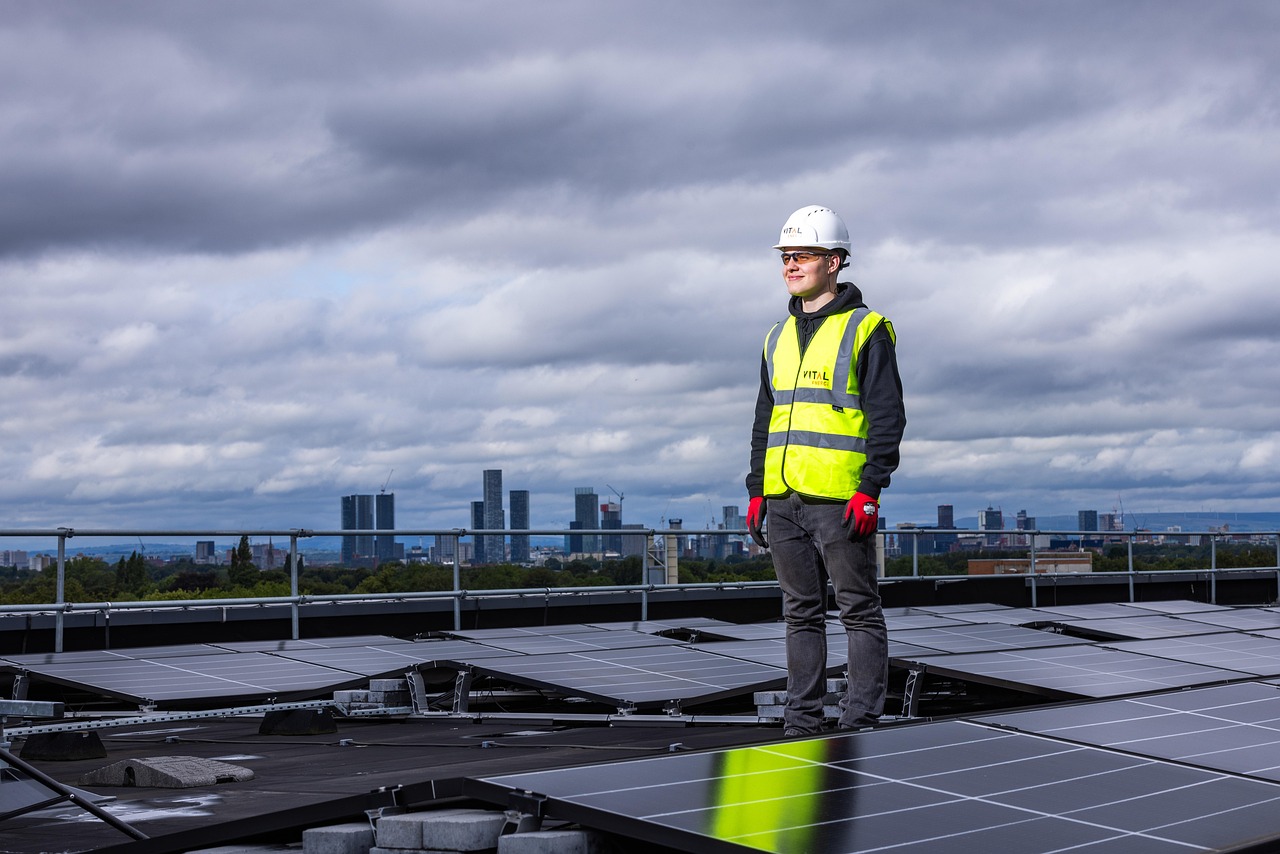
Before the turn of the century, the world relied heavily on fossil fuels for energy production. However, with the increasing awareness of climate change and environmental degradation, the focus has shifted towards green energy. Today, many countries are investing heavily in renewable energy sources such as solar, wind, and hydroelectric power. The shift towards green energy has been significant, with many countries reducing their carbon footprint and promoting sustainable practices.
The impact of green energy on the environment has been substantial. The reduction in greenhouse gas emissions has led to a decrease in air pollution, and the reliance on fossil fuels has decreased significantly. Additionally, green energy has created new job opportunities and has contributed to the growth of local economies. However, despite the many benefits of green energy, there are still challenges that need to be addressed.
The future of energy production looks promising, with many countries committed to reducing their carbon footprint and promoting sustainable practices. As technology continues to advance, the cost of renewable energy is decreasing, making it more accessible to countries around the world.
With the increasing demand for green energy, the world is poised to witness a significant shift in the way energy is produced and consumed. As the world continues to transition towards a more sustainable future, it is essential to understand the benefits and challenges of green energy.
A Closer Look at Green Energy
Green energy refers to the use of renewable energy sources such as solar, wind, and hydroelectric power to generate electricity. These energy sources are sustainable, meaning they can be replenished naturally, and they produce little to no greenhouse gas emissions. Green energy is becoming increasingly important as the world shifts towards sustainable practices and reduces its reliance on fossil fuels.
Leading Green Energy Solutions
1. Solar Energy
Solar energy is one of the most popular forms of green energy. It involves the use of solar panels to convert sunlight into electricity. Solar energy is a sustainable and renewable source of energy that produces no greenhouse gas emissions.
- Plus Points:
- Renewable source of energy
- Zero greenhouse gas emissions
- Low maintenance costs
- Energy independence
- Challenges:
- High upfront costs
- Intermittent energy source
- Dependence on weather conditions
2. Wind Energy
Wind energy is another popular form of green energy. It involves the use of wind turbines to convert wind into electricity. Wind energy is a sustainable and renewable source of energy that produces no greenhouse gas emissions.
- Plus Points:
- Renewable source of energy
- Zero greenhouse gas emissions
- Low operating costs
- Scalable energy source
- Challenges:
- High upfront costs
- Noise pollution
- Visual impact
| Energy Source | Cost per kWh | Greenhouse Gas Emissions |
|---|---|---|
| Solar Energy | $0.05-$0.15 | 0g/kWh |
| Wind Energy | $0.04-$0.12 | 0g/kWh |
| Fossil Fuels | $0.10-$0.20 | 1000g/kWh |
How This Affects Everyday Life
✔ Reduced Air Pollution
The shift towards green energy has led to a significant reduction in air pollution. With the decreasing reliance on fossil fuels, the amount of greenhouse gas emissions has decreased, resulting in cleaner air and a healthier environment.
✔ Energy Independence
Green energy has enabled countries to become more energy independent. With the use of renewable energy sources, countries are no longer reliant on fossil fuels, reducing their dependence on foreign energy sources.
✔ Job Creation
The green energy industry has created new job opportunities, contributing to the growth of local economies. As the demand for green energy continues to grow, the number of job opportunities in the industry is expected to increase.
✔ Cost Savings
Green energy has led to cost savings for consumers. With the decreasing cost of renewable energy, consumers are able to save money on their energy bills, resulting in a significant reduction in energy costs.
✔ Environmental Benefits
The shift towards green energy has had a positive impact on the environment. With the reduction in greenhouse gas emissions, the environment has become cleaner and healthier, resulting in a significant improvement in air quality.
The Next 5 Years
- The cost of renewable energy is expected to decrease, making it more accessible to countries around the world.
- The demand for green energy is expected to increase, resulting in the growth of the green energy industry.
- New technologies are expected to emerge, enabling more efficient and effective use of renewable energy sources.
- Countries are expected to become more energy independent, reducing their reliance on fossil fuels.
- The environment is expected to become cleaner and healthier, resulting in a significant improvement in air quality.
Closing Thoughts
Green energy is becoming increasingly important as the world shifts towards sustainable practices and reduces its reliance on fossil fuels. With the many benefits of green energy, including reduced air pollution, energy independence, and cost savings, it is essential to continue investing in renewable energy sources. As technology continues to advance, the future of green energy looks promising, and it is expected to play a significant role in shaping the world’s energy landscape.
The shift towards green energy is a step in the right direction, and it is essential to continue promoting sustainable practices and reducing our reliance on fossil fuels. With the many benefits of green energy, it is clear that it is the way forward, and it is expected to have a significant impact on the world’s energy landscape.
As the world continues to transition towards a more sustainable future, it is essential to understand the benefits and challenges of green energy. With the right investments and technologies, green energy is expected to play a significant role in shaping the world’s energy landscape, resulting in a cleaner, healthier, and more sustainable environment.