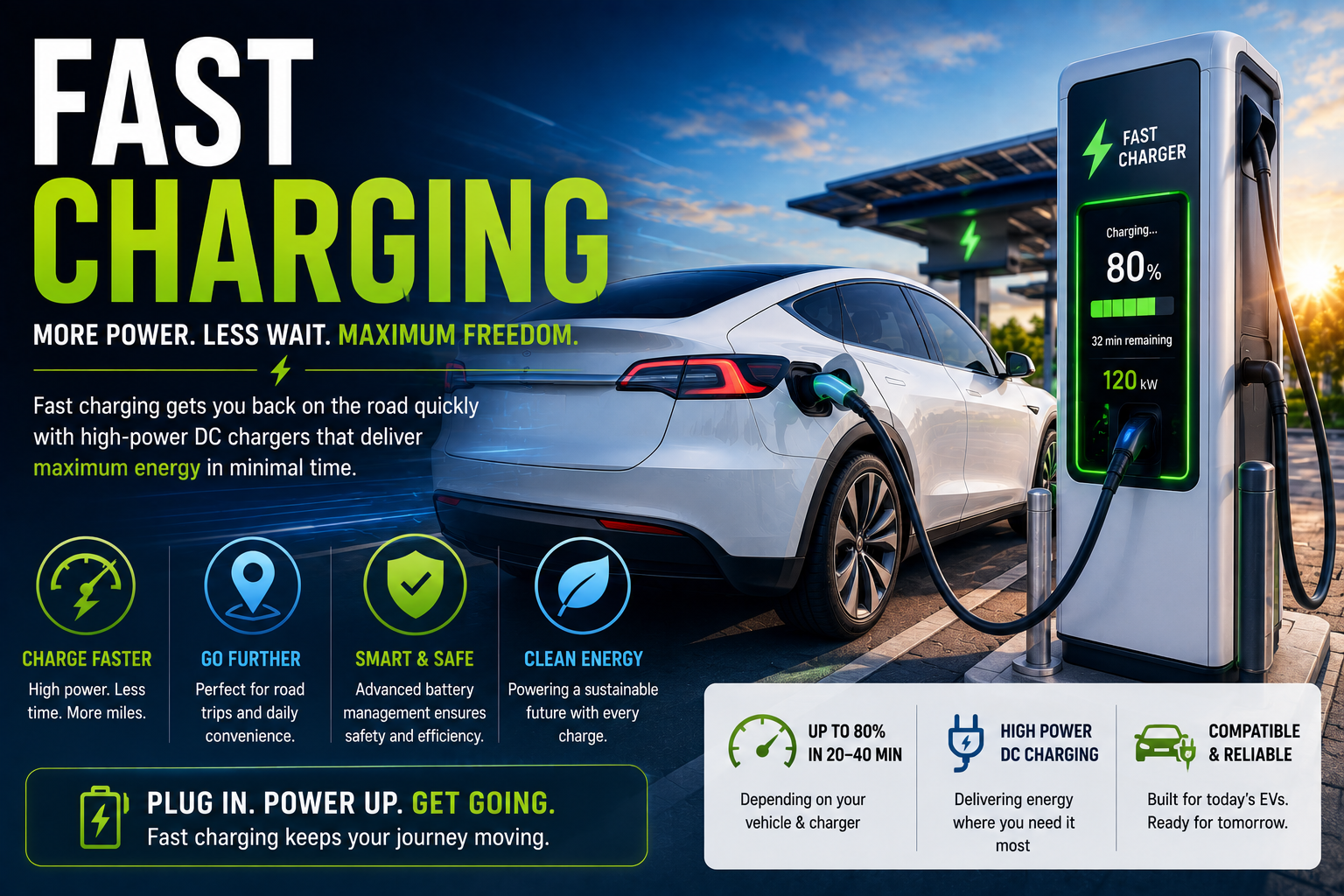
Approximately 70% of smartphone users charge their devices at least once a day, with many relying on fast charging to quickly top up their batteries. Fast charging technology has advanced significantly in recent years, with some devices capable of reaching 80% charge in under 30 minutes. However, the long-term effects of fast charging on battery life and overall device performance are still being studied. As the demand for faster charging continues to grow, manufacturers are working to develop new technologies that can support rapid charging without compromising device safety or longevity.
What Does Fast Charging Mean?
Fast charging refers to a technology that allows devices to recharge quickly, typically at a rate of 18W or higher. This is achieved through the use of advanced charging protocols, such as Quick Charge or VOOC, which enable devices to draw more power from the charger. Fast charging is often used in smartphones, but it is also becoming increasingly common in other devices, such as laptops and electric vehicles.
Fast Charging Methods Worth Knowing
1. Quick Charge
Quick Charge is a fast charging protocol developed by Qualcomm, a leading manufacturer of smartphone chipsets. This technology allows devices to charge up to 75% faster than standard charging, making it a popular choice for many smartphone users.
- Advantages:
- Faster charging speeds
- Widespread adoption among device manufacturers
- Backward compatibility with standard charging
- What Needs Work:
- Limited support for non-Qualcomm devices
- Potential heat generation during charging
2. VOOC
VOOC is another fast charging protocol, developed by Oppo, a Chinese smartphone manufacturer. This technology uses a unique charging algorithm that allows devices to charge quickly while minimizing heat generation.
- Advantages:
- Faster charging speeds than standard charging
- Reduced heat generation during charging
- Widely supported by Oppo devices
- What Needs Work:
- Limited support for non-Oppo devices
- Potential compatibility issues with certain chargers
| Charging Protocol | Charging Speed | Device Support |
|---|---|---|
| Quick Charge | Up to 18W | Widespread adoption among device manufacturers |
| VOOC | Up to 30W | Widely supported by Oppo devices |
The Impact on Consumers
✔ Convenience
Fast charging provides consumers with the convenience of quickly recharging their devices, making it ideal for individuals with busy lifestyles.
✔ Increased Productivity
With fast charging, consumers can spend less time waiting for their devices to charge and more time being productive, whether that’s working, gaming, or staying in touch with friends and family.
✔ Reduced Downtime
Fast charging minimizes device downtime, ensuring that consumers can use their devices when they need them most.
✔ Environmental Benefits
By reducing the need for multiple chargers and devices, fast charging can help minimize electronic waste and promote sustainability.
✔ Cost Savings
Fast charging can help consumers save money in the long run by reducing the need for replacement batteries and devices.
✔ Improved User Experience
Fast charging enhances the overall user experience by providing consumers with a convenient, efficient, and reliable way to recharge their devices.
The Road Ahead
- Advancements in fast charging technology will continue to drive innovation in the tech industry.
- Increased adoption of fast charging protocols will lead to greater standardization and compatibility among devices.
- Growing demand for sustainable and energy-efficient solutions will drive the development of eco-friendly fast charging technologies.
- Improvements in battery technology will enable faster charging speeds and longer battery life.
- Wireless fast charging will become more prevalent, offering consumers greater convenience and flexibility.
- Regulatory bodies will play a crucial role in ensuring the safety and efficacy of fast charging technologies.
The Big Picture
Fast charging is transforming the way consumers interact with their devices, providing a convenient, efficient, and reliable way to recharge batteries. As technology continues to evolve, it is likely that fast charging will play an increasingly important role in shaping the future of the tech industry. The potential benefits of fast charging, including increased productivity, reduced downtime, and environmental benefits, make it an exciting and rapidly advancing field.