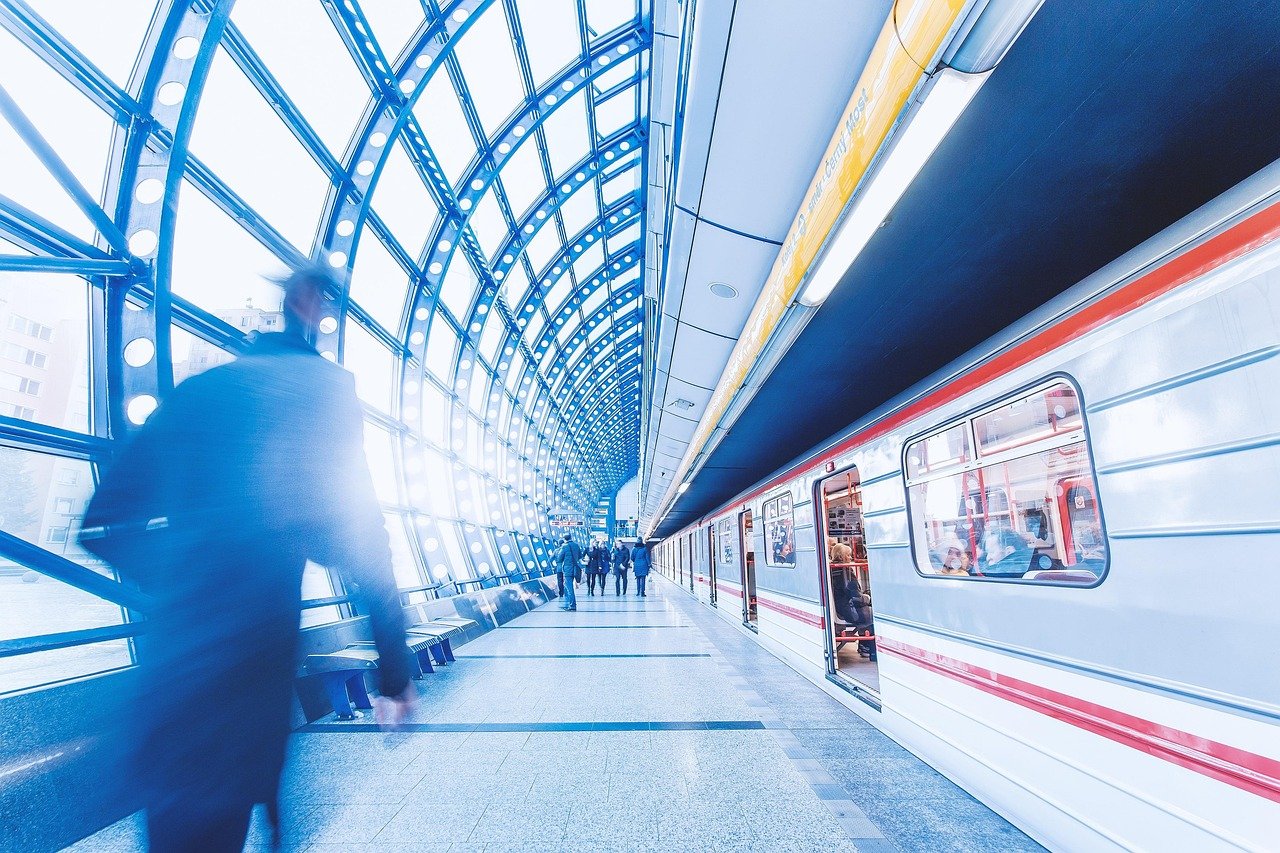
Commuting is a daily struggle for many people, with traffic congestion, public transportation issues, and environmental concerns being just a few of the problems faced by commuters. The average commute time can range from 30 minutes to several hours, depending on the location and mode of transportation. This can have a significant impact on a person’s quality of life, productivity, and overall well-being. For example, a person commuting from the suburbs to a city center may face traffic jams, delayed trains, or crowded buses, making their daily commute a frustrating experience.
Understanding Commuting
Commuting refers to the regular travel between home and work or school, often using a fixed route and mode of transportation. It can be done using private vehicles, public transportation, walking, cycling, or a combination of these. Commuting can have both positive and negative effects on individuals and society, depending on the context and circumstances. For instance, commuting can provide access to job opportunities, education, and services, but it can also lead to traffic congestion, air pollution, and social isolation.
Latest Commuting Technologies
1. Electric and Hybrid Vehicles
Electric and hybrid vehicles are becoming increasingly popular as a mode of commuting, offering a more environmentally friendly alternative to traditional gasoline-powered cars. These vehicles can reduce greenhouse gas emissions, lower operating costs, and provide a smoother driving experience.
- What You Gain:
- Reduced environmental impact
- Lower operating costs
- Improved performance
- Hurdles to Overcome:
- Higher upfront costs
- Limited charging infrastructure
- Range anxiety
2. Ride-Sharing and Carpooling
Ride-sharing and carpooling are innovative commuting solutions that aim to reduce the number of vehicles on the road, decrease traffic congestion, and promote social interaction among commuters. These services use mobile apps to connect drivers and passengers, making it easier to find and share rides.
- What You Gain:
- Reduced traffic congestion
- Lower transportation costs
- Increased social interaction
- Hurdles to Overcome:
- Limited availability in certain areas
- Dependence on technology
- Trust and safety concerns
| Mode of Transportation | Environmental Impact | Cost |
|---|---|---|
| Driving a car | High | Medium to high |
| Using public transportation | Medium | Low to medium |
| Cycling or walking | Low | Low |
Real-World Benefits
✔ Reduced Traffic Congestion
By using alternative modes of transportation, such as carpooling or cycling, commuters can help reduce traffic congestion, making their daily commute faster and more efficient.
✔ Improved Air Quality
Using environmentally friendly modes of transportation, like electric or hybrid vehicles, can significantly reduce air pollution, creating a healthier environment for everyone.
✔ Increased Productivity
Commuters can use their time on public transportation or while carpooling to be productive, such as reading, working, or learning, making their commute more valuable.
✔ Enhanced Social Interaction
Ride-sharing and carpooling can provide opportunities for social interaction, helping to reduce feelings of loneliness and isolation among commuters.
✔ Cost Savings
Using public transportation, carpooling, or cycling can be more cost-effective than driving a car, saving commuters money on fuel, maintenance, and parking.
✔ Better Work-Life Balance
By having a more efficient and enjoyable commute, individuals can achieve a better work-life balance, leading to improved overall well-being and job satisfaction.
Upcoming Trends
- Increased adoption of electric and hybrid vehicles
- Expansion of ride-sharing and carpooling services
- Development of more efficient public transportation systems
- Growing demand for cycling and pedestrian infrastructure
- Integration of autonomous vehicles into commuting
- Greater emphasis on sustainable and environmentally friendly commuting options
The Big Picture
Commuting is a complex issue that requires a multifaceted approach to solve. By understanding the challenges and benefits of different modes of transportation, individuals and cities can work together to create more efficient, sustainable, and enjoyable commuting experiences. As technology continues to evolve and new trends emerge, the future of commuting is likely to be shaped by a combination of innovation, environmental concerns, and social needs.