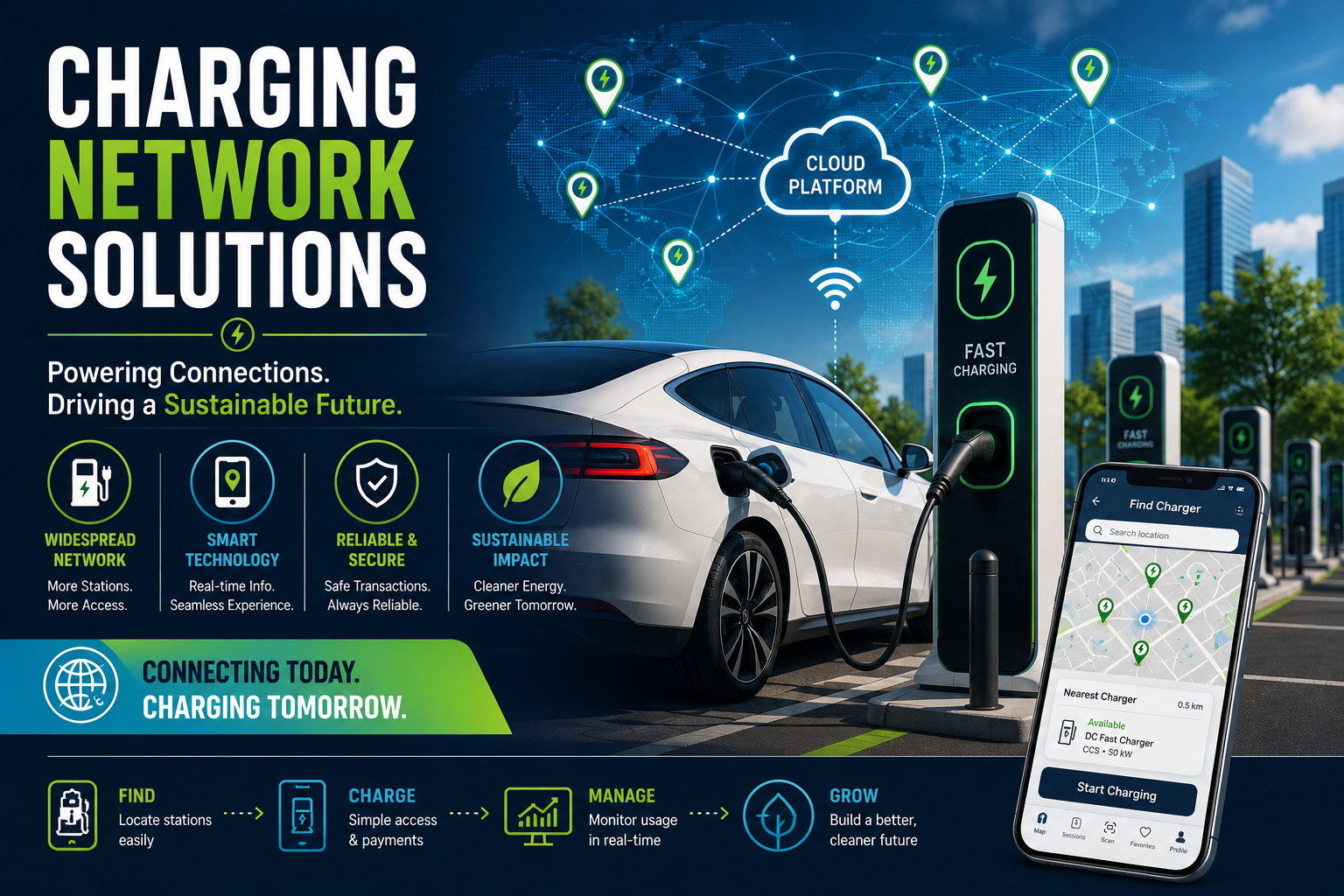
The world is becoming increasingly dependent on portable electronic devices, from smartphones and laptops to electric vehicles. However, the need for constant charging can be frustrating, especially when on the move. Charging networks have emerged as a solution to this problem, providing users with convenient and efficient ways to power their devices. With the rise of charging networks, the way people live, work, and travel is being transformed.
What Is Charging Network?
A charging network refers to a system of charging stations or points that are connected and managed to provide power to devices. These networks can be wired or wireless and are designed to support a wide range of devices, from small gadgets to large vehicles. Charging networks can be found in public spaces, such as shopping malls, airports, and parking lots, as well as in private homes and businesses.
Top Charging Network Innovations to Know
1. Wireless Charging
Wireless charging is a technology that allows devices to be charged without the need for cables or wires. This innovation has made it possible for people to charge their devices on the go, without having to worry about finding a power outlet. Wireless charging networks are being implemented in public spaces, such as coffee shops and restaurants, to provide users with a convenient and clutter-free charging experience.
- Key Benefits:
- Convenience: Wireless charging eliminates the need for cables, making it easier to charge devices on the go.
- Efficiency: Wireless charging can charge multiple devices at once, reducing the need for multiple power outlets.
- Safety: Wireless charging reduces the risk of electrical shock and fire hazards associated with traditional charging methods.
- Current Limitations:
- Compatibility: Not all devices are compatible with wireless charging technology.
- Speed: Wireless charging can be slower than traditional charging methods.
- Cost: Wireless charging infrastructure can be expensive to implement.
2. Fast Charging
Fast charging is a technology that allows devices to be charged quickly and efficiently. This innovation has made it possible for people to charge their devices in a matter of minutes, rather than hours. Fast charging networks are being implemented in public spaces, such as gas stations and parking lots, to provide users with a quick and convenient charging experience.
- Key Benefits:
- Speed: Fast charging can charge devices up to 80% in just 30 minutes.
- Convenience: Fast charging eliminates the need for long charging sessions, making it easier to charge devices on the go.
- Efficiency: Fast charging can reduce the wear and tear on devices, extending their lifespan.
- Current Limitations:
- Compatibility: Not all devices are compatible with fast charging technology.
- Cost: Fast charging infrastructure can be expensive to implement.
- Heat: Fast charging can generate heat, which can damage devices if not managed properly.
| Charging Technology | Charging Speed | Compatibility |
|---|---|---|
| Wireless Charging | Slow | Limited |
| Fast Charging | Fast | Limited |
The Impact on Consumers
Charging networks have a significant impact on consumers, providing them with convenient and efficient ways to power their devices. Some of the benefits of charging networks for consumers include:
✔ Convenience
Charging networks provide users with the convenience of being able to charge their devices on the go, without having to worry about finding a power outlet.
✔ Efficiency
Charging networks can charge multiple devices at once, reducing the need for multiple power outlets and making it easier to manage devices.
✔ Safety
Charging networks can reduce the risk of electrical shock and fire hazards associated with traditional charging methods.
✔ Cost-Effectiveness
Charging networks can be cost-effective, reducing the need for multiple charging devices and making it easier to manage energy consumption.
✔ Sustainability
Charging networks can promote sustainability, reducing the need for single-use batteries and making it easier to recycle devices.
The Next 5 Years
- Increased adoption of wireless charging technology
- Expansion of fast charging networks to more public spaces
- Development of new charging technologies, such as solar-powered charging
- Integration of charging networks with other technologies, such as smart homes and cities
- Improved security and management of charging networks
Key Takeaways
Charging networks are revolutionizing the way devices are powered, offering convenience, efficiency, and sustainability. With the rise of wireless charging and fast charging technologies, the future of charging is looking bright. As charging networks continue to evolve and expand, they will play an increasingly important role in shaping the way people live, work, and travel.
Charging networks have the potential to transform the way people interact with their devices, making it easier to stay connected and productive on the go. With their convenience, efficiency, and sustainability, charging networks are an essential part of the modern world.