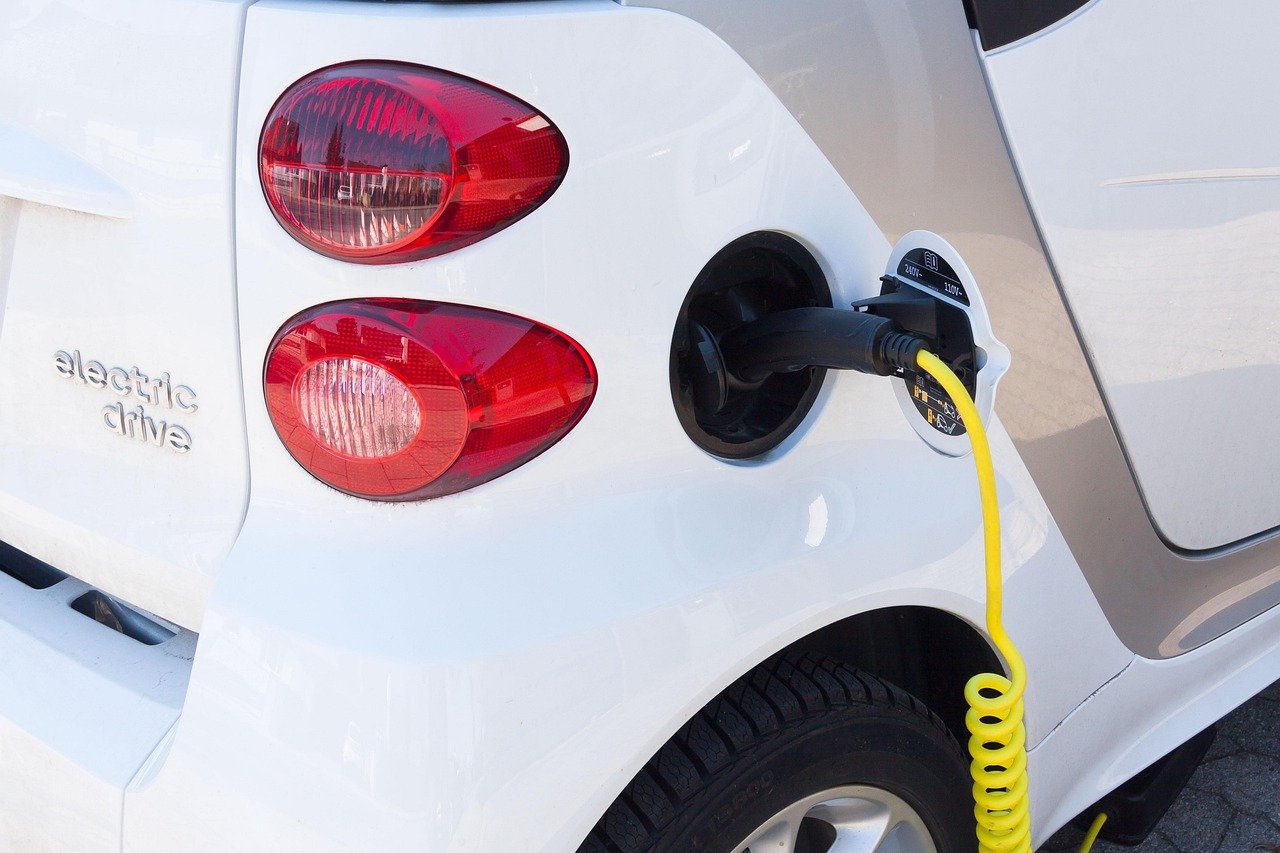
In the past, electric vehicle owners faced significant challenges when it came to charging their cars on the go. Limited charging points and long charging times made long-distance travel difficult. However, with the rapid expansion of charging networks, the situation has changed dramatically. Today, electric vehicle owners can easily find charging stations and charge their cars quickly, making electric vehicles a viable option for many. The transformation has been remarkable, with charging networks sprouting up in cities and along highways, making electric vehicle ownership more practical and convenient.
What Is Charging Network?
A charging network refers to a system of charging stations that are connected and managed to provide electric vehicle owners with a convenient and reliable way to charge their cars. These networks can be owned and operated by private companies, governments, or a combination of both. They offer a range of charging options, including fast charging, slow charging, and high-power charging, to cater to different needs and preferences. Charging networks play a crucial role in promoting the adoption of electric vehicles, as they help to alleviate range anxiety and make electric vehicle ownership more practical and convenient.
Top Charging Network Innovations to Know
1. Fast Charging Technology
Fast charging technology has revolutionized the charging experience, enabling electric vehicle owners to charge their cars to 80% in under 30 minutes. This innovation has made long-distance travel possible, as drivers can quickly charge their cars and get back on the road. Fast charging stations are being deployed along highways and in cities, making it easier for electric vehicle owners to charge their cars on the go.
- Plus Points:
- Convenient and time-saving
- Enables long-distance travel
- Reduces range anxiety
- Known Issues:
- High upfront costs
- Requires high-power infrastructure
- Can be expensive to use
2. Smart Charging Systems
Smart charging systems use advanced technology to manage the charging process, optimizing energy consumption and reducing strain on the grid. These systems can communicate with the grid and adjust charging speeds according to energy demand, ensuring that charging is done efficiently and sustainably. Smart charging systems are becoming increasingly popular, as they help to reduce energy costs and promote sustainable energy use.
- Plus Points:
- Energy-efficient and sustainable
- Reduces strain on the grid
- Can be integrated with renewable energy sources
- Known Issues:
- Requires advanced infrastructure
- Can be complex to install and manage
- May require additional hardware and software
| Charging Network | Number of Charging Stations | Coverage Area |
|---|---|---|
| Charging Network A | 1000 | Urban and rural areas |
| Charging Network B | 500 | Highways and intercity routes |
Real-World Benefits
✔ Increased Electric Vehicle Adoption
The expansion of charging networks has led to an increase in electric vehicle adoption, as range anxiety is alleviated and charging becomes more convenient.
✔ Reduced Greenhouse Gas Emissions
Charging networks promote the use of electric vehicles, which produce zero tailpipe emissions, reducing greenhouse gas emissions and contributing to a cleaner environment.
✔ Improved Air Quality
By reducing the number of gasoline-powered vehicles on the road, charging networks help to improve air quality, reducing air pollution and promoting public health.
✔ Enhanced Driver Experience
Charging networks provide electric vehicle owners with a convenient and reliable way to charge their cars, enhancing the driving experience and making electric vehicle ownership more practical and enjoyable.
✔ Economic Benefits
Charging networks can create jobs and stimulate local economies, as well as reduce energy costs and promote sustainable energy use.
The Next 5 Years
- Expansion of fast charging infrastructure along highways and in cities
- Integration of smart charging systems with renewable energy sources
- Increased adoption of electric vehicles, driven by falling battery costs and improving charging infrastructure
- Development of new charging technologies, such as wireless charging and high-power charging
- Growing investment in charging network infrastructure, driven by government initiatives and private investment
- Emergence of new business models, such as charging-as-a-service and subscription-based charging plans
Wrapping Up
Charging networks have transformed the electric vehicle industry, offering quick wins that enhance the driving experience and promote sustainable energy use. As the industry continues to evolve, it is likely that charging networks will play an increasingly important role in shaping the future of transportation. With ongoing innovation and investment, charging networks are likely to become even more convenient, efficient, and sustainable, driving the adoption of electric vehicles and contributing to a cleaner and healthier environment.