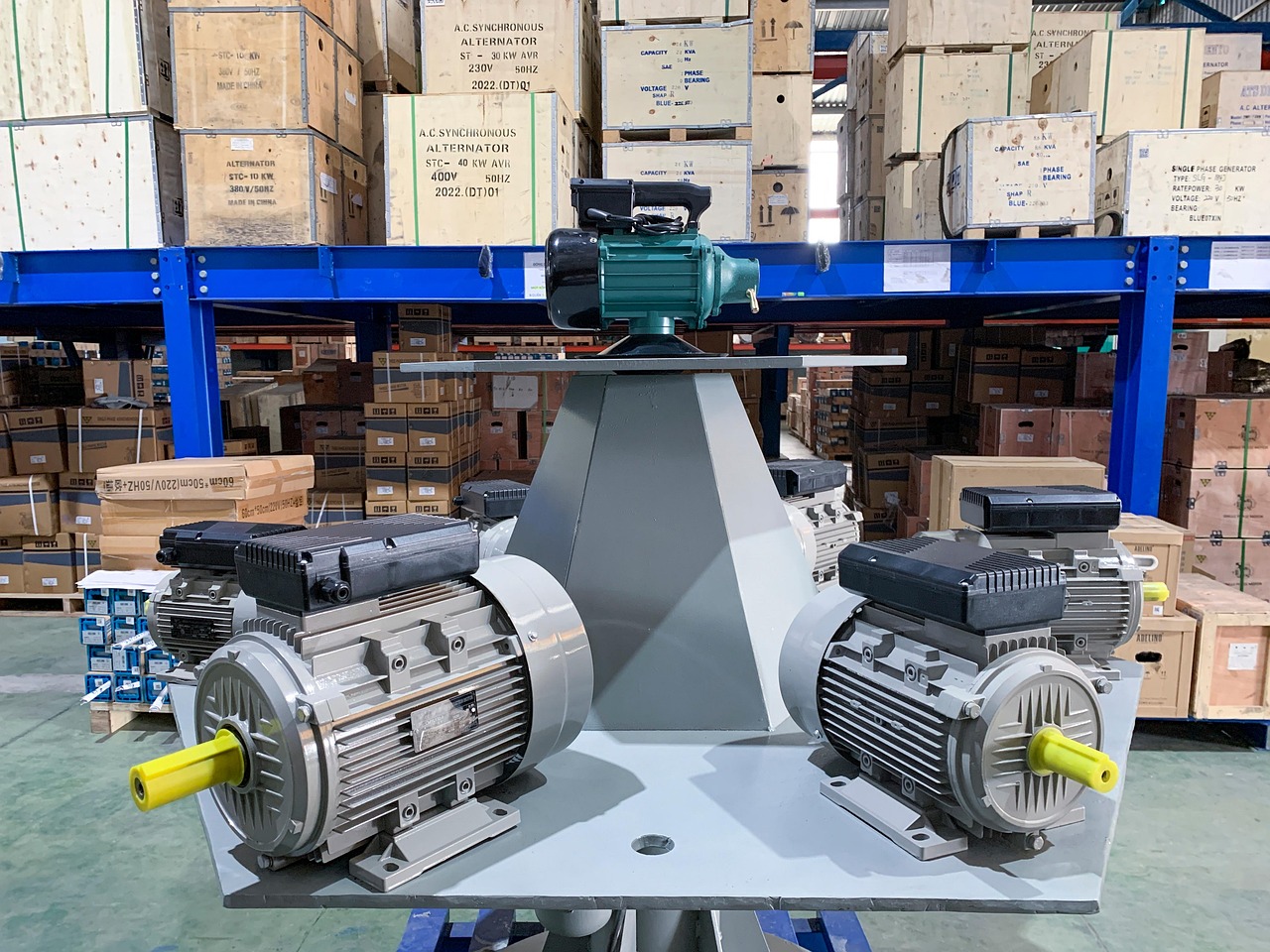
Most people are unaware of the complexities and nuances involved in electric motor design and operation, often oversimplifying their role in various applications. Electric motors are a crucial component in many modern machines and devices, from household appliances to industrial machinery. However, their performance and efficiency can be significantly impacted by various factors, including design, materials, and operating conditions. Many individuals also underestimate the importance of proper maintenance and repair techniques for electric motors.
Breaking Down Electric Motor Strategies
An electric motor is essentially a device that converts electrical energy into mechanical energy, using the principles of electromagnetism to generate torque. Advanced electric motor strategies involve the use of cutting-edge materials, designs, and control systems to optimize performance, efficiency, and reliability. These strategies can be applied in a wide range of applications, from industrial automation and robotics to electric vehicles and renewable energy systems.
Top Electric Motor Innovations to Know
1. Permanent Magnet Motors
Permanent magnet motors use high-performance magnets to eliminate the need for electrical current in the rotor, resulting in higher efficiency and reliability. These motors are widely used in applications such as electric vehicles, wind turbines, and industrial automation.
- Advantages:
- High efficiency and reliability
- Low maintenance requirements
- Compact design and high power density
- Known Issues:
- High cost of rare earth magnets
- Potential for demagnetization due to overheating or voltage spikes
2. Induction Motors with Advanced Rotor Designs
Induction motors with advanced rotor designs, such as copper rotor bars or die-cast aluminum rotors, offer improved efficiency and performance. These motors are commonly used in applications such as industrial pumps, fans, and conveyor systems.
- Advantages:
- High efficiency and reliability
- Low cost and compact design
- Wide range of applications and operating conditions
- Known Issues:
- Potential for overheating and reduced lifespan
- Higher cost than traditional induction motors
| Motor Type | Efficiency | Power Density | Cost |
|---|---|---|---|
| Permanent Magnet | 95-98% | High | High |
| Induction | 85-95% | Medium | Medium |
Why People Are Paying Attention
✔ Improved Efficiency
Advanced electric motor strategies offer significant improvements in efficiency, resulting in reduced energy consumption and lower operating costs. This is particularly important in industries where energy costs are a major concern, such as manufacturing and transportation.
✔ Increased Reliability
Modern electric motors are designed to be more reliable and durable, with features such as advanced materials and cooling systems. This reduces the need for maintenance and repair, resulting in lower downtime and increased productivity.
✔ Expanded Application Range
Advanced electric motor strategies enable the use of electric motors in a wider range of applications, from high-temperature environments to applications with high vibration and shock loads. This expands the potential uses of electric motors and enables the development of new products and technologies.
✔ Reduced Environmental Impact
The improved efficiency and reliability of advanced electric motors result in reduced energy consumption and lower greenhouse gas emissions. This is particularly important in applications where environmental sustainability is a major concern, such as renewable energy systems and electric vehicles.
✔ Increased Power Density
Modern electric motors offer higher power density, resulting in more compact designs and increased performance. This enables the development of smaller, more efficient products and systems, such as electric vehicles and industrial automation equipment.
How This Will Evolve
- Increased use of advanced materials, such as nanomaterials and metamaterials, to improve efficiency and performance
- Development of new control systems and algorithms to optimize motor operation and efficiency
- Greater emphasis on sustainability and environmental impact, with a focus on reducing energy consumption and greenhouse gas emissions
- Expansion of electric motor applications into new industries and markets, such as aerospace and medical devices
- Increased use of wireless communication and internet of things (IoT) technologies to enable remote monitoring and control of electric motors
- Development of new business models and services, such as motor-as-a-service and predictive maintenance, to support the growing demand for electric motors
Closing Thoughts
Advanced electric motor strategies are transforming the way industries and applications use electric motors, offering significant improvements in efficiency, reliability, and performance. As technology continues to evolve, it is likely that electric motors will play an increasingly important role in shaping the future of industries and societies. The development of new materials, control systems, and business models will be critical to supporting this growth and ensuring the long-term sustainability of electric motor technology.