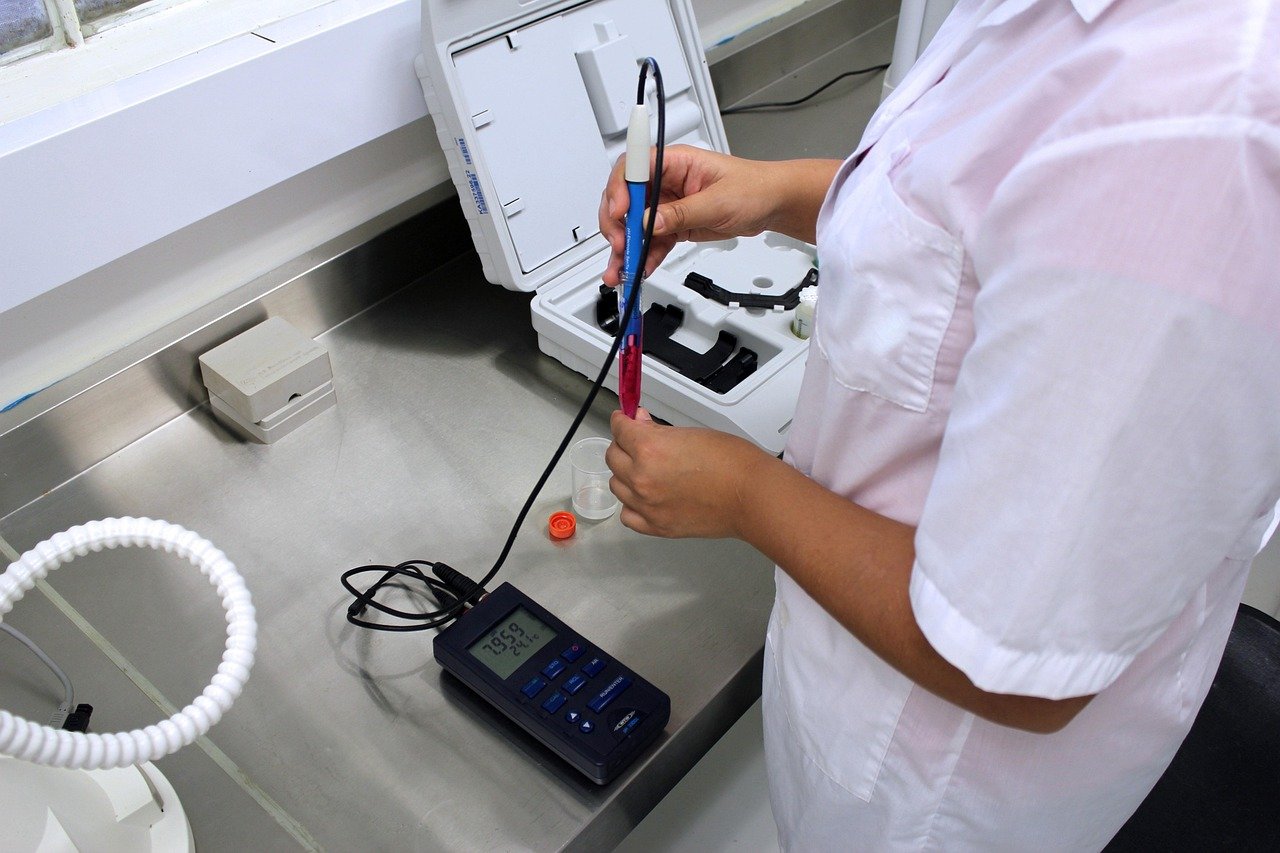
75% of current research in cell chemistry focuses on enhancing the efficiency and lifespan of battery cells. This significant emphasis on cell chemistry stems from its critical role in various applications, including renewable energy systems, electric vehicles, and portable electronics. As the world transitions towards more sustainable and environmentally friendly technologies, the importance of advanced cell chemistry strategies continues to grow. With ongoing innovations in materials science and electrochemistry, the potential for breakthroughs in cell chemistry has never been more promising.
Defining Cell Chemistry
Cell chemistry refers to the study and application of chemical reactions within cells, particularly in the context of electrochemical devices such as batteries and fuel cells. It encompasses the understanding of chemical interactions at the molecular level, including the behavior of ions, electrons, and other species that contribute to the overall performance of a cell. Advanced cell chemistry strategies involve the manipulation of these chemical reactions to achieve desired outcomes, such as enhanced energy density, power output, and cycle life.
Top Cell Chemistry Innovations to Know
1. Solid-State Electrolytes
Solid-state electrolytes represent a significant innovation in cell chemistry, offering a potentially safer and more efficient alternative to traditional liquid electrolytes. By replacing the liquid component with a solid material, the risk of leakage and thermal runaway is significantly reduced, enhancing the overall safety and reliability of the cell.
- What You Gain:
- Improved safety due to the elimination of flammable liquids
- Enhanced energy density and power output
- Increased cycle life and longevity
- Hurdles to Overcome:
- Higher production costs associated with solid-state materials
- Challenges in scaling up solid-state electrolyte production
- Need for further research on solid-state electrolyte interfaces
2. Lithium-Air Batteries
Lithium-air batteries, also known as lithium-oxygen batteries, are another area of innovation in cell chemistry. These batteries have the potential to offer significantly higher energy densities than traditional lithium-ion batteries, making them an attractive option for applications where space and weight are critical factors.
- What You Gain:
- Potentially higher energy density than lithium-ion batteries
- Lower material costs due to the use of atmospheric oxygen
- Increased theoretical capacity
- Hurdles to Overcome:
- Challenges in developing efficient and stable cathode materials
- Need for improved understanding of lithium-air battery chemistry
- Scalability and cost-effectiveness concerns
| Battery Type | Energy Density (Wh/kg) | Power Density (W/kg) | Cycle Life |
|---|---|---|---|
| Lithium-Ion | 100-265 | 250-340 | 300-500 |
| Lithium-Air | 1000-3500 | 100-1000 | 50-100 |
The Impact on Consumers
✔ Improved Energy Efficiency
Advanced cell chemistry strategies lead to more efficient energy storage and conversion, resulting in devices that can operate for longer periods on a single charge.
✔ Enhanced Safety
The development of safer battery technologies, such as solid-state electrolytes, reduces the risk of accidents and ensures consumer safety.
✔ Increased Device Longevity
By improving the lifespan of battery cells, advanced cell chemistry extends the operational life of devices, reducing electronic waste and the need for frequent replacements.
✔ Reduced Environmental Impact
More efficient and sustainable energy storage solutions contribute to a decrease in greenhouse gas emissions and mitigate the environmental footprint of energy consumption.
✔ Lower Costs
As advanced cell chemistry technologies become more prevalent, economies of scale and improvements in manufacturing processes are expected to drive down costs, making sustainable energy solutions more accessible to consumers.
✔ Expanded Renewable Energy Integration
Advanced cell chemistry enables the more efficient storage of renewable energy, facilitating its integration into the grid and supporting a cleaner, more sustainable energy mix.
What to Expect Next
- Continued advancements in solid-state electrolyte technology
- Increased investment in lithium-air battery research and development
- Emergence of new battery chemistries and technologies
- Growing demand for sustainable and efficient energy storage solutions
- Expansion of electric vehicle markets and infrastructure
- Further reductions in the cost of renewable energy technologies
Worth Remembering
The field of cell chemistry is undergoing rapid transformation, driven by the need for more efficient, sustainable, and safe energy storage solutions. As research and development continue to advance, the potential for breakthroughs in cell chemistry will lead to significant improvements in various technologies and applications. Understanding and embracing these advancements will be crucial for navigating the future of energy and electronics.