70% of the world’s population lives in areas where air pollution exceeds safe limits, contributing to millions of premature deaths annually. The primary cause of this pollution is the emission of greenhouse gases, primarily carbon dioxide, from human activities. Reducing these emissions to zero is essential for mitigating climate change and improving public health. The path to zero emissions involves a complex interplay of technological innovation, policy changes, and individual actions.
Breaking Down Zero Emissions
Zero emissions refer to the state where no greenhouse gas emissions are released into the atmosphere. This can be achieved through the use of renewable energy sources, such as solar and wind power, and by increasing energy efficiency. It also involves the electrification of transport and industry, and the development of carbon capture and storage technologies. A comprehensive approach to achieving zero emissions requires the participation of governments, corporations, and individuals.
Major Zero Emissions Developments
1. Renewable Energy
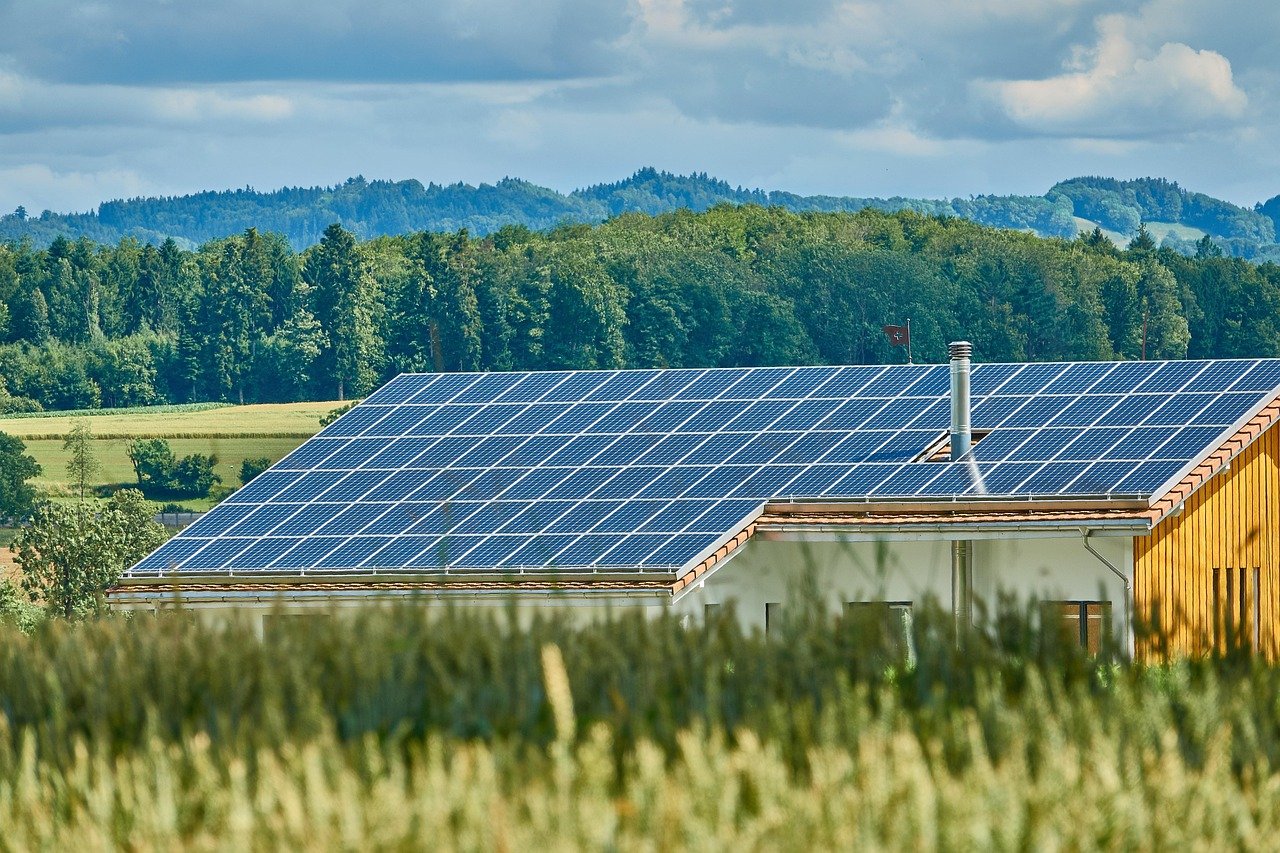
Rapid advancements in renewable energy technologies have made them more competitive with fossil fuels, driving their adoption worldwide. Solar energy, in particular, has seen significant cost reductions, making it viable for both residential and commercial use.
- Plus Points:
- Renewable energy sources are sustainable and do not deplete natural resources.
- They produce little to no greenhouse gas emissions during operation.
- Renewable energy can create jobs and stimulate local economies.
- What Needs Work:
- Intermittency of renewable energy sources requires the development of efficient storage technologies.
- High upfront costs, although decreasing, can be a barrier to adoption for some individuals and businesses.
2. Electric Vehicles
The transportation sector is a significant contributor to greenhouse gas emissions. Electric vehicles (EVs) offer a cleaner alternative, with many countries investing heavily in EV infrastructure and incentivizing their purchase.
- Plus Points:
- EVs produce zero tailpipe emissions, reducing air pollution in urban areas.
- They are generally more energy-efficient than internal combustion engine vehicles.
- Lower operating costs due to the efficiency of electric motors and the lower cost of electricity compared to gasoline.
- What Needs Work:
- Range anxiety and the need for widespread charging infrastructure.
- The source of the electricity used to charge EVs affects their overall environmental impact.
| Country | Renewable Energy Target | Electric Vehicle Incentives |
|---|---|---|
| Norway | 100% of new car sales to be EVs by 2025 | Exemption from VAT and other taxes |
| China | 35% of electricity from non-fossil fuels by 2030 | Subsidies for EV purchases |
Why This Matters to You
✔ Improved Air Quality
Reducing emissions leads to cleaner air, which is essential for human health, reducing the risk of respiratory diseases and other health issues.
✔ Mitigation of Climate Change
Lower greenhouse gas emissions can help mitigate the effects of climate change, including extreme weather events, sea-level rise, and changes in precipitation patterns.
✔ Energy Security
Transitioning to renewable energy sources enhances energy security by reducing dependence on imported fossil fuels, which can improve trade balances and reduce the impact of price volatility.
✔ Economic Benefits
The shift to a zero-emissions economy can create new job opportunities in renewable energy, energy efficiency, and other sustainable sectors, contributing to economic growth.
✔ Preservation of Natural Resources
By reducing the consumption of fossil fuels, we can preserve natural resources for future generations and minimize the environmental impacts associated with their extraction and use.
Upcoming Trends
- Increased investment in hydrogen fuel cell technology for transport and industry.
- Widespread adoption of smart grid technologies to manage renewable energy distribution efficiently.
- Development of advanced carbon capture, utilization, and storage (CCUS) technologies.
- Growth in the market for green bonds and other sustainable financial products.
- Expansion of circular economy practices to reduce waste and emissions from production and consumption.
- Further decreases in the cost of renewable energy technologies, making them more competitive with fossil fuels.
The Big Picture
Achieving zero emissions is a complex, long-term goal that requires concerted efforts from all sectors of society. It involves transitioning away from fossil fuels, adopting renewable energy sources, and implementing sustainable practices in all aspects of life. The benefits of reaching zero emissions are manifold, including improved public health, mitigation of climate change, and economic benefits. As the world continues to urbanize and the global population grows, the need to reduce emissions and transition to a sustainable, zero-emissions economy becomes increasingly urgent.