Before the widespread adoption of electric vehicles, charging infrastructure was relatively basic, with most owners relying on standard Level 1 chargers that used a conventional 120-volt household outlet. However, as the demand for faster and more efficient charging grew, Level 2 chargers emerged as a superior alternative, capable of charging vehicles at a rate of 240 volts. This upgrade has significantly reduced charging times, making electric vehicles a more practical option for many drivers. Today, Level 2 chargers are a common sight in homes, public parking lots, and commercial spaces, offering a reliable and speedy charging solution for EV owners. The impact of Level 2 chargers on the electric vehicle industry has been profound, paving the way for widespread adoption and transforming the way people think about transportation.
Defining Level 2 Chargers
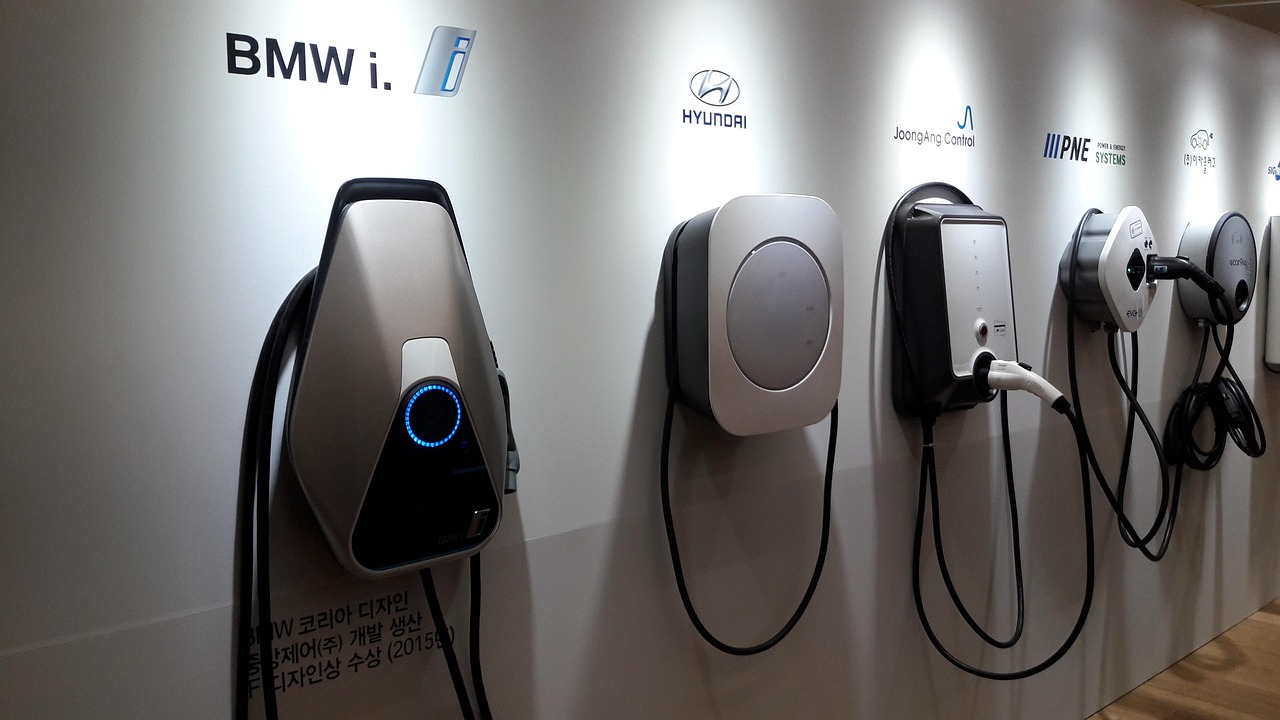
A Level 2 charger is an electric vehicle charging station that uses a 240-volt electrical circuit, similar to those used for electric dryers and other high-power appliances. This type of charger can recharge an electric vehicle’s battery up to 5 times faster than a standard Level 1 charger, making it an essential component of modern electric vehicle infrastructure. Level 2 chargers are designed to be installed in a variety of settings, including residential, commercial, and public spaces, and can be tailored to meet the specific needs of each location.
Key Level 2 Charger Advancements
1. Increased Charging Speed
One of the most significant advantages of Level 2 chargers is their ability to charge electric vehicles at a much faster rate than standard Level 1 chargers. This is particularly important for drivers who need to charge their vehicles quickly, such as those who use their vehicles for work or have limited time to spare. With a Level 2 charger, drivers can recharge their vehicle’s battery to 80% in under 4 hours, making it a practical solution for daily driving.
- Advantages:
- Faster charging times, reducing wait periods for drivers
- Increased efficiency, allowing for more frequent use of electric vehicles
- Improved convenience, enabling drivers to charge their vehicles at home or in public spaces
- Hurdles to Overcome:
- Higher upfront costs compared to standard Level 1 chargers
- Requirement for a 240-volt electrical circuit, which may need to be installed separately
- Potential for increased energy consumption, which may impact household or commercial energy bills
2. Enhanced Durability and Reliability
Level 2 chargers are designed to withstand the rigors of frequent use and harsh environmental conditions, making them a reliable choice for drivers who need to charge their vehicles regularly. Many modern Level 2 chargers are built with durable materials and are designed to operate in a wide range of temperatures, ensuring consistent performance and longevity.
- Advantages:
- Longer lifespan, reducing the need for frequent replacements or repairs
- Improved resistance to extreme temperatures and weather conditions
- Enhanced safety features, such as overcharge protection and ground fault detection
- Hurdles to Overcome:
- Potential for higher maintenance costs due to complex components and electronics
- Need for regular software updates to ensure compatibility with evolving electric vehicle technologies
- Risk of obsolescence as new charging technologies emerge
| Charger Type | Charging Speed | Installation Requirements |
|---|---|---|
| Level 1 | 120V, 12-16 hours to full charge | Standard household outlet |
| Level 2 | 240V, 4-6 hours to full charge | 240-volt electrical circuit, dedicated 40-amp breaker |
What This Means in Practice
✔ Increased Adoption of Electric Vehicles
The widespread availability of Level 2 chargers has helped to increase the adoption of electric vehicles, as drivers are no longer limited by charging times and ranges. This, in turn, has driven demand for more efficient and sustainable transportation solutions.
✔ Improved Charging Infrastructure
The development of Level 2 chargers has driven investment in charging infrastructure, with many cities and companies installing public charging stations to support the growing number of electric vehicles on the road.
✔ Enhanced Driver Experience
Level 2 chargers have significantly improved the driver experience, providing faster and more convenient charging options that make electric vehicles a practical choice for daily driving.
✔ Reduced Greenhouse Gas Emissions
By encouraging the adoption of electric vehicles, Level 2 chargers are helping to reduce greenhouse gas emissions and promote more sustainable transportation solutions.
✔ Increased Energy Efficiency
Modern Level 2 chargers are designed to be highly energy-efficient, minimizing energy waste and reducing the strain on the electrical grid.
Looking Ahead
- Predicted increases in electric vehicle adoption, driven by improving charging infrastructure and declining vehicle costs
- Emergence of new charging technologies, such as wireless charging and high-power charging systems
- Growing investment in charging infrastructure, with a focus on public and commercial charging stations
- Increased emphasis on sustainability and energy efficiency in the development of charging solutions
- Expansion of Level 2 chargers into new markets and regions, driven by government initiatives and regulatory support
- Integration of Level 2 chargers with other smart technologies, such as energy management systems and smart grids
To Sum Up
Level 2 chargers have revolutionized the electric vehicle industry, providing faster and more efficient charging solutions that make electric vehicles a practical choice for drivers. As the demand for sustainable transportation solutions continues to grow, the development and deployment of Level 2 chargers will play a critical role in shaping the future of electric vehicles. With their enhanced durability, improved safety features, and increased energy efficiency, Level 2 chargers are poised to remain a vital component of the electric vehicle ecosystem for years to come.