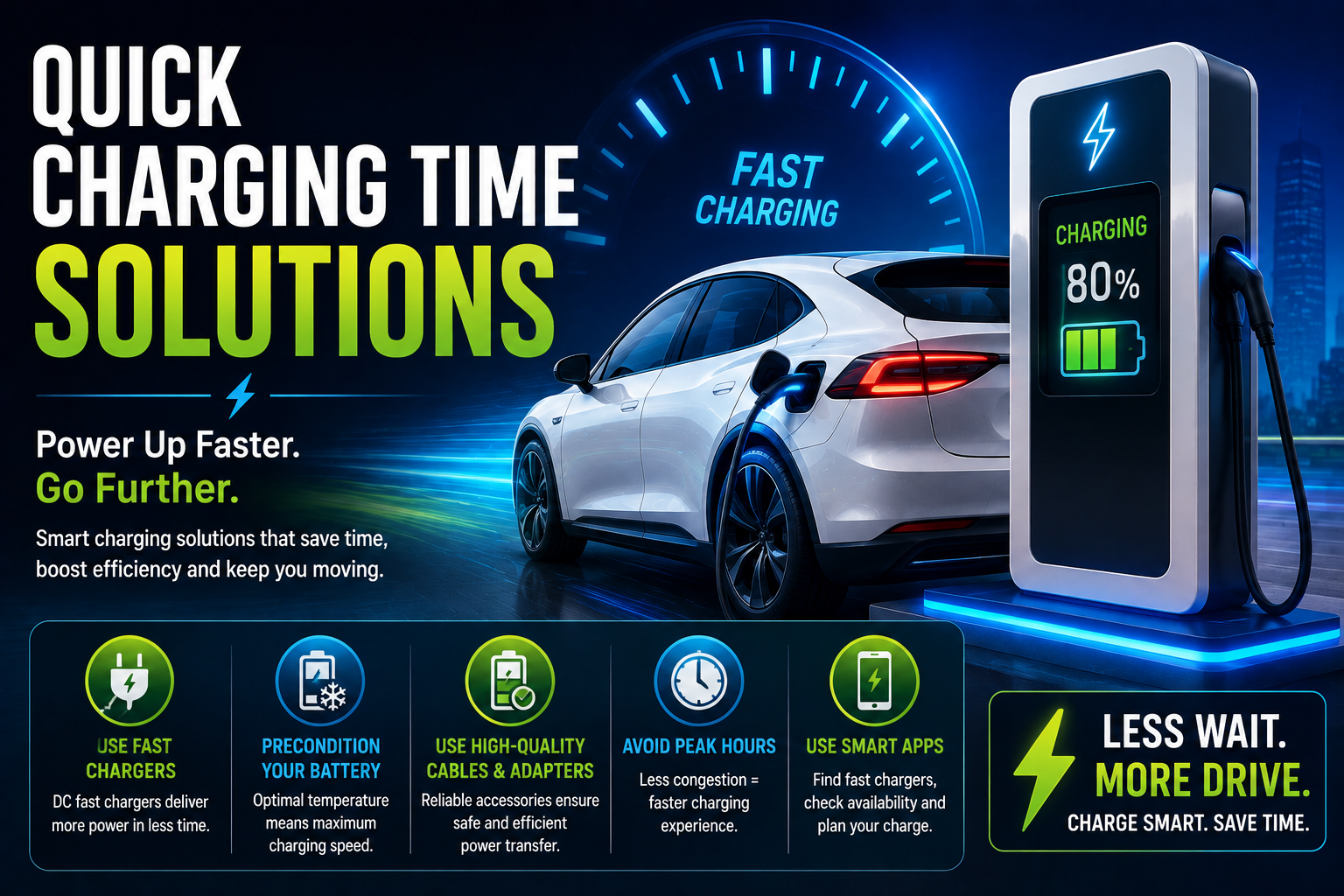
It is estimated that the average person spends around 30 minutes per day charging their devices, which can add up to around 182 hours per year. Despite the importance of charging, many devices still take a significant amount of time to reach full battery. However, with the advent of quick charging time solutions, this is set to change. Quick charging technologies are being developed to reduce charging time, making it a crucial aspect of modern technology.
The Basics of Charging Time
Charging time refers to the amount of time it takes for a device to reach full battery from a completely discharged state. It is an important consideration for device manufacturers, as longer charging times can lead to decreased user satisfaction and increased battery degradation. Quick charging time solutions aim to reduce charging time, while also ensuring that devices are safe and efficient to use.
Leading Charging Time Solutions
1. Quick Charge Technology
Quick Charge technology is a fast charging protocol developed by Qualcomm. It allows devices to charge up to 75% faster than standard charging, making it a popular choice for many device manufacturers.
- Key Benefits:
- Faster charging times
- Increased efficiency
- Improved user experience
- Hurdles to Overcome:
- Compatibility issues with certain devices
- Potential for increased heat generation
2. VOOC Flash Charging
VOOC Flash Charging is a fast charging technology developed by Oppo. It uses a unique charging algorithm to rapidly charge devices, making it one of the fastest charging solutions available.
- Key Benefits:
- Extremely fast charging times
- High efficiency
- Low heat generation
- Hurdles to Overcome:
- Limited compatibility with certain devices
- Potential for increased battery degradation
| Charging Technology | Charging Time | Efficiency |
|---|---|---|
| Quick Charge | Up to 75% faster | Up to 90% |
| VOOC Flash Charging | Up to 30 minutes for full charge | Up to 95% |
Real-World Benefits
✔ Reduced Downtime
Quick charging time solutions can significantly reduce downtime, allowing users to spend more time using their devices and less time waiting for them to charge.
✔ Increased Productivity
With faster charging times, users can stay productive for longer, making quick charging time solutions a valuable tool for professionals and individuals alike.
✔ Improved User Experience
Quick charging time solutions can greatly improve the user experience, making it easier and more convenient to use devices on the go.
✔ Enhanced Safety
Many quick charging time solutions include advanced safety features, such as overcharge protection and temperature monitoring, to ensure that devices are safe to use.
✔ Increased Efficiency
Quick charging time solutions can help to reduce energy consumption, making them a more efficient and environmentally friendly option.
✔ Faster Charging on the Go
With quick charging time solutions, users can quickly top up their devices on the go, making it easier to stay connected and productive while traveling.
Looking Ahead
- Advances in battery technology will continue to improve charging times and efficiency
- Wireless charging will become more prevalent, reducing the need for cables and charging ports
- Quick charging time solutions will become more widespread, making fast charging a standard feature in many devices
- Charging technology will become more advanced, with features such as automatic charging and smart charging
- Devices will be designed with charging in mind, incorporating features such as built-in charging coils and advanced power management systems
- Charging infrastructure will improve, with more public charging points and advanced charging networks
Closing Thoughts
Quick charging time solutions are revolutionizing the way devices are powered, enabling faster and more efficient charging. As technology continues to advance, it is likely that charging times will become even faster, making it a crucial aspect of modern technology. With the benefits of quick charging time solutions, including reduced downtime and increased productivity, it is clear that this technology will play a major role in shaping the future of devices and technology.