70% of potential electric vehicle (EV) buyers are concerned about the availability of charging infrastructure, which significantly influences their decision to purchase an EV. This concern stems from several myths surrounding EV infrastructure. Understanding the reality behind these myths is crucial for the widespread adoption of electric vehicles.
The lack of charging points is one of the primary concerns, but advancements in technology and investments in EV infrastructure are rapidly changing this landscape. Furthermore, the efficiency and capability of modern charging systems are often underestimated, contributing to misconceptions about the practicality of EVs for long-distance travel.
As the world moves towards reducing carbon emissions and embracing sustainable energy solutions, clarifying these myths is essential. The future of transportation is undoubtedly electric, and debunking these myths will pave the way for a smoother transition.
The importance of addressing these misconceptions cannot be overstated, as they directly impact consumer confidence and the overall growth of the EV market.
A Closer Look at EV Infrastructure
EV infrastructure refers to the network of charging points and systems that support the charging of electric vehicles. This includes home charging units, public charging stations, and fast-charging corridors along highways. A well-developed EV infrastructure is critical for the widespread adoption of electric vehicles, as it addresses the primary concern of range anxiety among potential buyers.
EV Infrastructure Methods Worth Knowing
1. Home Charging Solutions
Home charging is one of the most convenient methods of charging an electric vehicle. It allows owners to charge their vehicles overnight, similar to charging a smartphone, ensuring the vehicle is ready for use the next day.
- What You Gain:
- Convenience: Charge your vehicle at home, eliminating the need for frequent visits to public charging stations.
- Cost-Effectiveness: Home charging often costs less than public charging, especially when done during off-peak hours.
- Privacy: Charging at home provides privacy and security, as the vehicle is in the owner’s possession at all times.
- What Needs Work:
- Initial Installation Cost: The cost of installing a home charging unit can be high, although it is a one-time expense.
- Space and Accessibility: Not all homes have the necessary space or electrical capacity for a charging unit.
2. Public Charging Stations
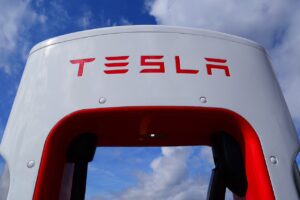
Public charging stations are essential for providing charging access to EV owners who do not have home charging solutions or need to charge their vehicles when away from home. These stations can be found in various locations, including shopping centers, parking garages, and along highways.
- What You Gain:
- Accessibility: Public charging stations increase the accessibility of EVs for a wider audience, including those without home charging capabilities.
- Convenience: Strategically located public charging stations can charge vehicles quickly, making long-distance travel in EVs more practical.
- What Needs Work:
- Availability: The current number of public charging stations may not meet the demand, especially in rural areas.
- Charging Speed: While fast-charging technology is advancing, the speed of charging at public stations can vary, impacting travel time.
| Charging Type | Charging Speed | Common Use Cases |
|---|---|---|
| Level 1 (120V) | 2-5 miles of range per hour | Home charging for vehicles with low daily mileage |
| Level 2 (240V) | 10-20 miles of range per hour | Home and public charging for most daily driving needs |
| DC Fast Charging | 60-100 miles of range per 20 minutes | Long-distance travel and high-mileage users |
How This Affects Everyday Life
✔ Increased Mobility:
With a robust EV infrastructure, individuals can travel longer distances without worrying about charging, making electric vehicles a viable option for road trips and daily commutes.
✔ Environmental Benefits:
Widespread adoption of EVs, facilitated by reliable infrastructure, contributes to reduced greenhouse gas emissions and air pollution, improving public health and the environment.
✔ Economic Savings:
Charging an electric vehicle is generally cheaper than fueling a gasoline-powered car, leading to significant cost savings for drivers over time.
✔ Job Creation:
The growth of the EV industry and the development of EV infrastructure are expected to create new job opportunities in manufacturing, installation, and maintenance.
✔ Government Incentives:
Many governments offer incentives for purchasing electric vehicles and investing in EV infrastructure, making the transition to sustainable energy solutions more attractive and affordable.
✔ Technological Innovation:
The push for better EV infrastructure drives technological innovation, leading to more efficient charging systems, improved battery technology, and enhanced vehicle performance.
The Road Ahead
- Investments in EV infrastructure are expected to increase, driven by government initiatives and private investments.
- Technological advancements will continue to improve charging speeds and battery efficiency.
- Public awareness and education about the benefits and realities of EV ownership will grow, dispelling common myths.
- Integrating renewable energy sources into EV charging will become more prevalent, reducing the carbon footprint of electric vehicles.
- Standardization of charging systems across different manufacturers will improve, enhancing user convenience and reducing confusion.
What It All Means
The development and enhancement of EV infrastructure are pivotal for the success of the electric vehicle market, offering a sustainable, efficient, and environmentally friendly alternative to traditional gasoline-powered vehicles. As myths are debunked and the reality of EV infrastructure becomes clearer, consumer confidence is expected to grow, driving the adoption of electric vehicles forward.
The future of EV infrastructure is promising, with ongoing investments and technological advancements aimed at creating a comprehensive and accessible charging network. This not only supports the growth of the EV market but also contributes to a cleaner, healthier environment for future generations.
Understanding the current state and future potential of EV infrastructure is essential for navigating the transition to electric vehicles, a transition that is increasingly becoming a cornerstone of global efforts to combat climate change and promote sustainable living.