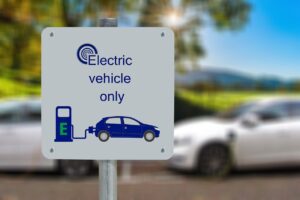
Most people mistakenly believe that the widespread adoption of electric vehicles (EVs) is hindered by a lack of consumer interest, when in fact, one of the primary barriers is the insufficient development of EV infrastructure. The perception that EVs are not practical for long-distance travel due to charging time and accessibility issues is a common misconception. However, recent advancements in EV infrastructure are addressing these concerns and paving the way for a significant increase in EV adoption. The focus on quick wins in EV infrastructure development is aimed at rapidly expanding the charging network and enhancing the overall user experience.
What Is EV Infrastructure?
EV infrastructure refers to the network of charging stations, battery swap facilities, and other support systems designed to facilitate the adoption and use of electric vehicles. This infrastructure is crucial for reducing range anxiety, increasing the appeal of EVs to consumers, and ultimately contributing to a reduction in greenhouse gas emissions from the transportation sector. Effective EV infrastructure must be accessible, efficient, and reliable, providing users with a seamless charging experience that rivals the convenience of traditional fueling methods.
Major EV Infrastructure Developments
1. High-Power Charging
The introduction of high-power charging (HPC) technology has been a significant quick win for EV infrastructure. HPC stations can charge vehicles at speeds of up to 350 kilowatts, significantly reducing charging times and making long-distance EV travel more practical. This advancement has addressed one of the major concerns associated with EV adoption, making electric vehicles a more viable option for a wider range of consumers.
- What You Gain:
- Faster charging speeds, reducing wait times for drivers
- Increased convenience, making EVs more appealing for long trips
- Enhanced user experience, with less time spent at charging stations
2. Smart Charging Systems
Smart charging systems are another critical development in EV infrastructure, enabling the optimization of charging processes based on energy demand, grid capacity, and vehicle requirements. These systems can manage charging sessions to prevent overload on the electrical grid during peak hours, ensuring a stable and efficient supply of electricity.
- What You Gain:
- Efficient energy distribution, minimizing strain on the grid
- Reduced energy costs for both consumers and utilities
- Increased grid resilience, supporting a higher penetration of renewable energy sources
- What Needs Work:
- Widespread adoption of smart charging technologies
- Standardization of communication protocols between vehicles and charging infrastructure
- Public education campaigns to raise awareness about the benefits of smart charging
| Charging Type | Power Level | Charging Speed | Application |
|---|---|---|---|
| Level 1 | 120V | Slow | Home charging |
| Level 2 | 240V | Moderate | Public charging stations, workplaces |
| DC Fast Charging | 480V | Fast | Highway rest stops, commercial areas |
What This Means in Practice
✔ Enhanced Convenience
The expansion of EV infrastructure, especially the deployment of high-power charging stations, makes electric vehicles more practical for daily use, including long trips. Drivers can now charge their vehicles quickly and efficiently, similar to filling up with gasoline.
✔ Increased Efficiency
Smart charging systems optimize energy use, reducing peak demand on the electrical grid and lowering the overall cost of charging. This efficiency also supports a higher penetration of renewable energy sources in the grid, contributing to a cleaner energy mix.
✔ Reduced Emissions
By facilitating the adoption of electric vehicles, the development of EV infrastructure plays a crucial role in reducing greenhouse gas emissions from the transportation sector. As more drivers switch to EVs, the overall emissions footprint of transportation decreases.
✔ Improved Air Quality
The transition to electric vehicles, supported by advancements in EV infrastructure, leads to better air quality in urban areas. EVs produce zero tailpipe emissions, reducing the amount of pollutants released into the atmosphere and improving public health.
✔ Economic Benefits
The growth of the EV sector, driven in part by investments in EV infrastructure, creates new job opportunities and stimulates economic activity. Additionally, the reduced operating costs of EVs can lead to significant savings for drivers over time.
Emerging Directions
- Integration of renewable energy sources into EV charging infrastructure, enhancing the sustainability of the transportation sector
- Development of vehicle-to-grid (V2G) technologies, allowing EVs to supply electricity back to the grid and support grid stability
- Expansion of EV sharing and subscription services, making electric vehicles more accessible to a wider range of consumers
- Implementation of advanced charging technologies, such as wireless charging and automated charging systems
- Increase in investments in EV infrastructure in urban and rural areas, aiming to achieve widespread accessibility and equity
- Enhanced focus on recycling and repurposing of EV batteries, addressing environmental concerns and reducing waste
To Sum Up
The development of EV infrastructure is a critical factor in the transition to electric vehicles, offering numerous benefits including enhanced convenience, increased efficiency, and reduced emissions. As technologies continue to evolve and investments in EV infrastructure grow, the future of transportation is poised to become cleaner, more efficient, and more sustainable. The quick wins in EV infrastructure development are laying the groundwork for a comprehensive and supportive network that will underpin the widespread adoption of electric vehicles.