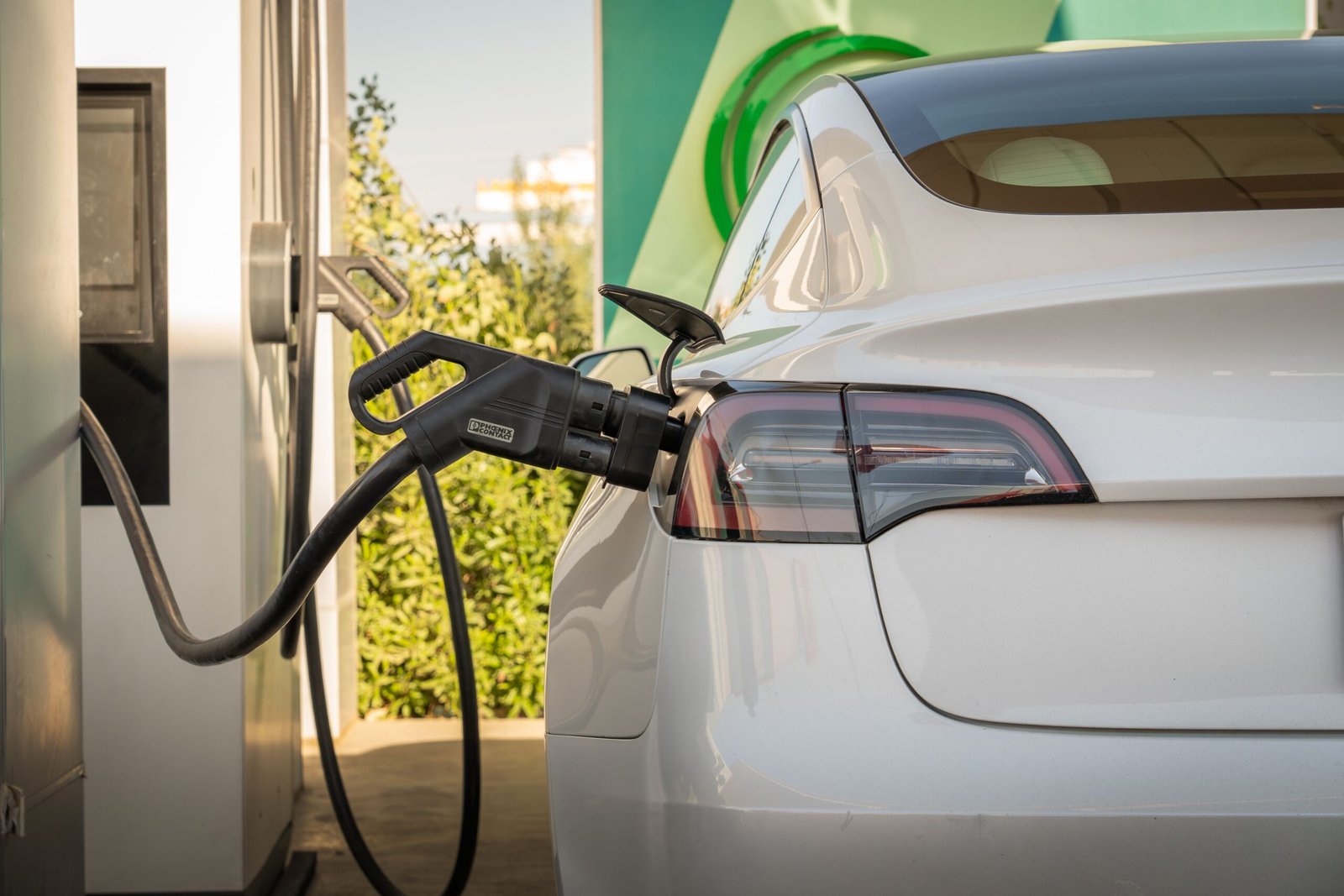
DC fast charging has been gaining attention lately due to its potential to revolutionize the electric vehicle industry. As the world shifts towards sustainable transportation, the need for efficient and rapid charging solutions becomes increasingly important. With the ability to charge electric vehicles to 80% in under 30 minutes, DC fast charging is becoming a crucial component in the widespread adoption of electric vehicles. This technology is particularly significant for long-distance travel, where traditional charging methods may not be practical.
The Basics of DC Fast Charging
DC fast charging, also known as direct current fast charging, is a type of electric vehicle charging that uses direct current to charge the vehicle’s battery. This method is different from alternating current (AC) charging, which is commonly used for Level 1 and Level 2 charging. DC fast charging is designed for high-power charging and can deliver up to 350 kilowatts of power, making it significantly faster than AC charging.
Latest DC Fast Charging Technologies
1. Combined Charging System (CCS)
The Combined Charging System (CCS) is a DC fast charging standard that has gained widespread acceptance. CCS combines AC and DC charging into a single connector, making it convenient for electric vehicle owners to charge their vehicles at a variety of stations.
- What You Gain:
- Faster charging speeds, with some stations delivering up to 350 kW of power
- Widespread compatibility, with many electric vehicle manufacturers supporting the CCS standard
- Convenience, with the ability to charge at a variety of stations using a single connector
- Drawbacks:
- Higher cost, with CCS charging stations typically more expensive than AC charging stations
- Dependence on DC fast charging infrastructure, which may not be as widespread as AC charging infrastructure
2. Tesla Supercharger
Tesla’s Supercharger network is a proprietary DC fast charging system designed for Tesla vehicles. The Supercharger network has expanded significantly in recent years, with stations located across North America, Europe, and other regions.
- What You Gain:
- Fast and convenient charging, with Supercharger stations delivering up to 250 kW of power
- Widespread availability, with thousands of Supercharger stations located across the globe
- Integration with Tesla’s navigation system, making it easy to find and use Supercharger stations
- Drawbacks:
- Limited compatibility, with Supercharger stations only available for Tesla vehicles
- Potential for congestion, with popular Supercharger stations sometimes experiencing high volumes of traffic
| Charging Standard | Power Output | Compatibility |
|---|---|---|
| CCS | Up to 350 kW | Widespread, with many electric vehicle manufacturers supporting the standard |
| Tesla Supercharger | Up to 250 kW | Proprietary, only compatible with Tesla vehicles |
Why People Are Paying Attention
✔ Reduced Charging Time
DC fast charging significantly reduces the time it takes to charge an electric vehicle, making it more practical for long-distance travel and everyday use.
✔ Increased Range
With the ability to charge to 80% in under 30 minutes, DC fast charging enables electric vehicle owners to travel longer distances without worrying about running out of charge.
✔ Improved Convenience
DC fast charging stations are becoming increasingly common, with many located near highways and in urban areas, making it more convenient for electric vehicle owners to charge on the go.
✔ Environmental Benefits
By promoting the adoption of electric vehicles, DC fast charging is helping to reduce greenhouse gas emissions and improve air quality in urban areas.
✔ Government Incentives
Many governments are offering incentives for the installation of DC fast charging stations, making it more attractive for businesses and individuals to invest in this technology.
✔ Technological Advancements
Advances in DC fast charging technology are continually improving the efficiency and speed of charging, making it an attractive option for electric vehicle owners.
Emerging Directions
- Increased focus on high-power charging, with some companies developing charging systems capable of delivering over 1 megawatt of power
- Expansion of DC fast charging infrastructure, with many companies investing in the installation of new charging stations
- Development of new charging standards, such as the Megawatt Charging System (MCS) for heavy-duty electric vehicles
- Integration of DC fast charging with renewable energy sources, such as solar and wind power
- Improved charging efficiency, with some companies developing new technologies to reduce energy loss during the charging process
- Increased focus on urban charging solutions, with many cities investing in the installation of DC fast charging stations
Worth Remembering
DC fast charging is a critical component in the widespread adoption of electric vehicles, enabling longer drives with less downtime. As the technology continues to evolve, it is likely to play an increasingly important role in the transition to sustainable transportation. With its potential to reduce greenhouse gas emissions and improve air quality, DC fast charging is an important step towards a more sustainable future.