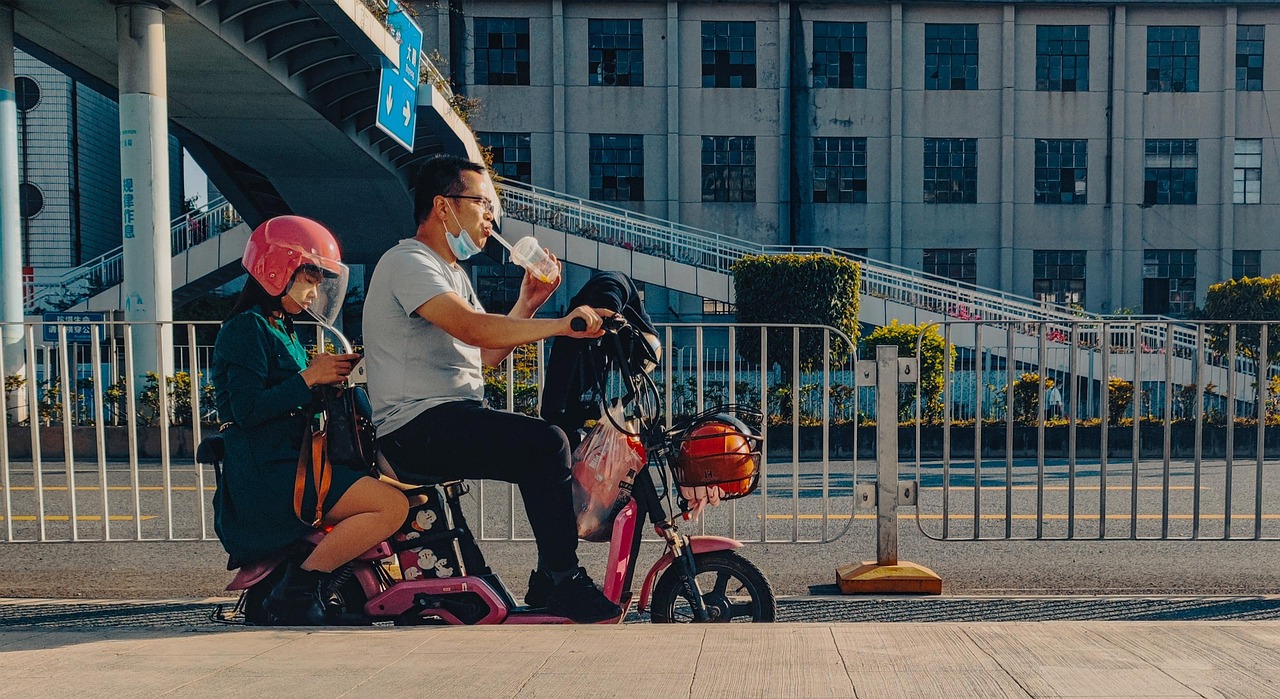
The world is witnessing a significant shift towards sustainable and environmentally friendly modes of transportation, with e-bikes gaining immense attention in recent years. This surge in popularity can be attributed to the increasing awareness of climate change, traffic congestion, and the need for healthier commuting options. As a result, manufacturers and policymakers are investing heavily in the development and promotion of e-bikes, transforming the way people travel in urban areas. With their unique blend of exercise, convenience, and eco-friendliness, e-bikes are poised to revolutionize the future of urban transportation.
Defining E-bikes
An e-bike, short for electric bicycle, is a bicycle with an integrated electric motor and battery that assists the rider’s pedaling. E-bikes are designed to provide a sustainable, efficient, and fun mode of transport, making them an attractive alternative to traditional bicycles, cars, and public transportation. With their advanced technology and innovative designs, e-bikes are becoming increasingly popular among commuters, recreational riders, and environmental enthusiasts alike.
E-bike Methods Worth Knowing
1. Pedal Assist
Pedal assist is a mode that provides electric assistance to the rider’s pedaling, making it easier to ride uphill, against the wind, or over long distances. This mode is particularly useful for commuters who need to travel long distances or navigate hilly terrain.
- Why It Works:
- Provides electric assistance to the rider’s pedaling, reducing fatigue and strain
- Enables riders to travel longer distances without getting tired
- Helps riders navigate challenging terrain, such as hills and headwinds
- Hurdles to Overcome:
- Higher cost compared to traditional bicycles
- Limited battery range, requiring riders to recharge or pedal manually
- Dependence on technology, which can be prone to malfunctions or errors
2. Power-on-Demand
Power-on-demand is a mode that provides instant electric power to the rider, allowing them to accelerate quickly and effortlessly. This mode is particularly useful for riders who need to navigate heavy traffic, construction zones, or other challenging urban environments.
- Why It Works:
- Provides instant electric power, enabling riders to accelerate quickly and safely
- Helps riders navigate challenging urban environments, such as heavy traffic or construction zones
- Enhances the overall riding experience, making it more enjoyable and exciting
- Hurdles to Overcome:
- Higher energy consumption, reducing battery range and lifespan
- Increased risk of accidents, as riders may accelerate too quickly or lose control
- Dependence on high-quality components, which can be expensive to replace or repair
| E-bike Model | Battery Range | Top Speed | Price |
|---|---|---|---|
| Model A | 50 miles | 20 mph | $1,000 |
| Model B | 75 miles | 25 mph | $1,500 |
| Model C | 100 miles | 30 mph | $2,000 |
What This Means in Practice
The rise of e-bikes has significant implications for urban transportation, the environment, and public health. As e-bikes become more popular, cities can expect to see a reduction in traffic congestion, air pollution, and greenhouse gas emissions.
✔ Reduced Traffic Congestion
E-bikes provide a convenient and efficient mode of transport, reducing the number of cars on the road and alleviating traffic congestion. This, in turn, reduces travel times, lowers stress levels, and improves overall quality of life.
✔ Lower Emissions
E-bikes produce zero tailpipe emissions, reducing air pollution and greenhouse gas emissions in urban areas. This contributes to a cleaner, healthier environment, and helps mitigate the impacts of climate change.
✔ Improved Public Health
E-bikes provide a fun and enjoyable way to stay physically active, reducing the risk of chronic diseases, such as obesity, diabetes, and heart disease. Regular exercise also improves mental health, boosting mood, and reducing stress levels.
✔ Enhanced Commuter Experience
E-bikes offer a comfortable and convenient mode of transport, enabling commuters to arrive at their destinations feeling refreshed, relaxed, and ready to start their day. This enhances the overall commuter experience, improving productivity, and job satisfaction.
✔ Increased Mobility
E-bikes provide a sense of freedom and independence, enabling people to travel longer distances, explore new areas, and connect with their communities. This increased mobility enhances social connections, improves mental health, and fosters a sense of belonging.
✔ Economic Benefits
The e-bike industry is creating new job opportunities, stimulating local economies, and generating revenue for cities. As the demand for e-bikes continues to grow, manufacturers, retailers, and service providers can expect to see significant economic benefits.
What Researchers Are Working On
- Developing more efficient and sustainable battery technologies to extend e-bike range and lifespan
- Improving e-bike design and ergonomics to enhance rider comfort, safety, and overall experience
- Integrating e-bikes with public transportation systems to create seamless, multimodal travel experiences
- Investigating the potential health benefits of e-bike riding, including reduced risk of chronic diseases
- Examining the environmental impacts of e-bike production, use, and disposal to identify areas for improvement
- Developing innovative business models and marketing strategies to promote e-bike adoption and sales
Worth Remembering
The e-bike case study highlights the significant potential of electric bicycles to transform urban transportation, reduce emissions, and enhance commuter experience. As the e-bike industry continues to evolve, it is essential to prioritize sustainability, safety, and innovation, ensuring that e-bikes remain a viable, attractive, and environmentally friendly mode of transport for generations to come. The future of e-bikes is promising, with ongoing research, development, and investment poised to shape the industry and create new opportunities for growth and expansion.