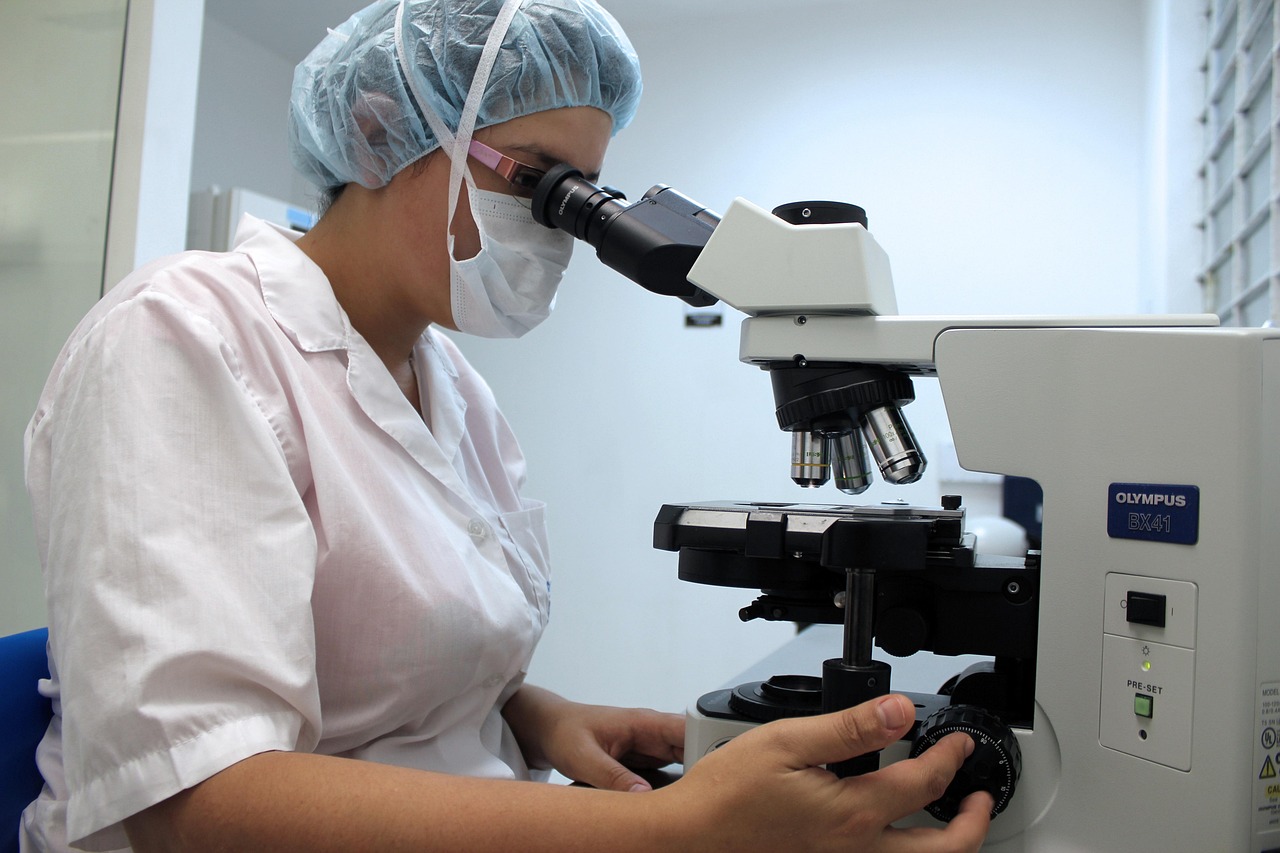
Approximately 90% of the human body’s cellular functions are still not fully understood, highlighting the vastness of cell chemistry. Cell chemistry, or cellular biology, is the study of cell structure, function, and behavior. Recent advancements in cell chemistry have led to significant breakthroughs in various fields. The complexity of cellular mechanisms and the importance of cell chemistry in understanding human health and disease have become increasingly evident.
Breaking Down Cell Chemistry
Cell chemistry encompasses the biochemical processes that occur within cells, including metabolism, DNA replication, and cell signaling. Understanding these processes is crucial for developing new treatments for diseases and improving human health. The study of cell chemistry involves analyzing the interactions between different cellular components, such as organelles, proteins, and genes, to comprehend how they contribute to the overall function of the cell.
Top Cell Chemistry Innovations to Know
1. Gene Editing
Gene editing technologies, such as CRISPR/Cas9, have revolutionized the field of cell chemistry by allowing scientists to edit genes with unprecedented precision. This innovation has opened up new avenues for treating genetic diseases and understanding the role of specific genes in cellular processes.
- What You Gain:
- Precision editing of genes to correct inherited disorders
- Ability to introduce new traits into organisms for agricultural and biomedical applications
- Enhanced understanding of gene function and regulation
- Drawbacks:
- Potential off-target effects and mosaicism
- Ethical concerns regarding the use of gene editing in humans
- High cost and complexity of the technology
2. Stem Cell Therapy
Stem cell therapy involves using stem cells to repair or replace damaged tissues and organs. This approach has shown promise in treating a range of diseases, from Parkinson’s disease to heart disease.
- What You Gain:
- Potential to repair or replace damaged tissues and organs
- Ability to model human diseases in vitro for drug development and testing
- Enhanced understanding of cellular differentiation and development
- Drawbacks:
- Risk of tumorigenesis and immune rejection
- High cost and limited availability of stem cell therapies
- Need for further research to fully understand stem cell biology
| Innovation | Description | Potential Applications |
|---|---|---|
| Gene Editing | Precision editing of genes | Treatment of genetic diseases, agricultural applications |
| Stem Cell Therapy | Using stem cells to repair or replace damaged tissues | Treatment of diseases, tissue engineering, regenerative medicine |
How This Affects Everyday Life
✔ Personalized Medicine
Advances in cell chemistry have enabled the development of personalized medicine, where treatments are tailored to an individual’s unique genetic profile.
✔ Regenerative Medicine
Stem cell therapy and tissue engineering have the potential to revolutionize the treatment of diseases and injuries, allowing for the regeneration of damaged tissues and organs.
✔ Improved Crop Yields
Gene editing technologies can be used to introduce desirable traits into crops, such as drought resistance and increased nutritional content, leading to improved crop yields and food security.
✔ New Cancer Treatments
Understanding the cellular mechanisms underlying cancer has led to the development of new and more effective cancer treatments, including targeted therapies and immunotherapies.
✔ Enhanced Understanding of Human Development
Cell chemistry has provided valuable insights into human development, from embryogenesis to aging, allowing for a better understanding of the complex processes that shape human life.
What’s Coming
- Further advancements in gene editing technologies, including the development of more precise and efficient editing tools
- Increased use of stem cells in regenerative medicine, including the treatment of diseases and injuries
- Development of new cancer treatments, including targeted therapies and immunotherapies
- Improved understanding of the human microbiome and its role in human health and disease
- Advances in synthetic biology, including the design and construction of new biological systems
- Increased focus on personalized medicine, including the use of genetic information to tailor treatments to individual patients
Wrapping Up
Cell chemistry is a rapidly evolving field that holds great promise for advancing our understanding of human health and disease. Recent innovations, such as gene editing and stem cell therapy, have the potential to transform industries and improve human lives. As research continues to uncover the complexities of cellular mechanisms, it is likely that even more exciting developments will emerge in the field of cell chemistry.
The impact of cell chemistry on everyday life is already being felt, from personalized medicine to regenerative medicine. As the field continues to grow and evolve, it is likely that cell chemistry will play an increasingly important role in shaping the future of human health and disease.
By continuing to advance our understanding of cell chemistry, scientists and researchers can develop new and innovative treatments for diseases, improving human health and quality of life.