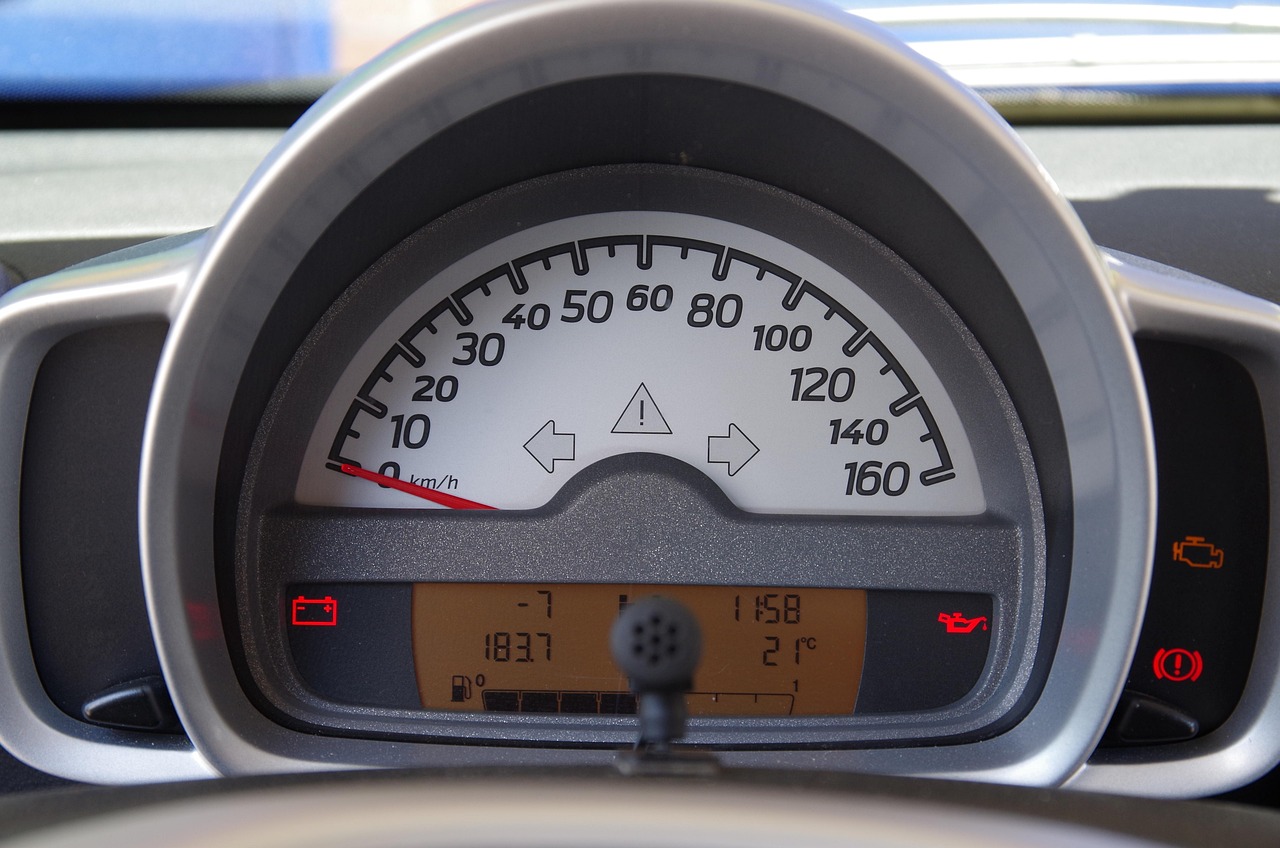
Battery management systems are essential for optimizing the performance and lifespan of batteries in various applications, including electric vehicles, renewable energy systems, and portable electronics. A well-designed battery management system ensures safe and efficient battery operation, preventing overheating, overcharging, and deep discharging. Inadequate battery management can lead to reduced battery lifespan, decreased performance, and even safety hazards. Effective battery management is critical for maximizing the potential of batteries and minimizing environmental impact.
A Closer Look at Battery Management System
A battery management system is an electronic system that monitors and controls the charging and discharging of batteries. It protects the battery from operating outside its safe operating range, preventing damage and ensuring optimal performance. A typical battery management system consists of hardware and software components, including voltage and current sensors, temperature sensors, and a microcontroller or dedicated integrated circuit.
Major Battery Management System Developments
1. Cell Balancing
Cell balancing is a critical function of battery management systems, ensuring that all cells in a battery pack are charged and discharged evenly. This prevents some cells from becoming overcharged or undercharged, which can lead to reduced battery lifespan and performance.
- Plus Points:
- Improved battery lifespan
- Increased battery performance
- Enhanced safety
- Drawbacks:
- Increased system complexity
- Higher cost
2. State of Charge Estimation
State of charge estimation is another key function of battery management systems, providing an accurate estimate of the battery’s remaining capacity. This information is essential for optimizing battery performance and preventing overcharging or deep discharging.
- Plus Points:
- Improved battery performance
- Increased battery lifespan
- Enhanced user experience
- Drawbacks:
- Complexity of estimation algorithms
- Sensitivity to operating conditions
| Battery Type | Nominal Voltage | Charge/Discharge Rate |
|---|---|---|
| Lead-Acid | 12V | 0.1C/0.1C |
| Lithium-Ion | 3.7V | 0.5C/1C |
| Nickel-Metal Hydride | 1.2V | 0.5C/0.5C |
Why This Matters to You
✔ Improved Battery Lifespan
A well-designed battery management system can significantly extend the lifespan of batteries, reducing the need for frequent replacements and minimizing waste.
✔ Enhanced Safety
Effective battery management systems prevent overheating, overcharging, and deep discharging, reducing the risk of safety hazards and ensuring reliable operation.
✔ Increased Efficiency
Battery management systems optimize battery performance, minimizing energy losses and maximizing the overall efficiency of the system.
✔ Better User Experience
Accurate state of charge estimation and real-time monitoring enable users to optimize their battery usage, reducing downtime and increasing productivity.
✔ Environmental Benefits
By maximizing battery lifespan and minimizing waste, battery management systems contribute to a more sustainable and environmentally friendly approach to energy storage.
✔ Cost Savings
Effective battery management systems can reduce the overall cost of ownership, minimizing the need for frequent replacements and reducing energy consumption.
How This Will Evolve
- Advances in battery technology will drive the development of more sophisticated battery management systems.
- Increased adoption of electric vehicles will fuel the demand for high-performance battery management systems.
- Growing concerns about climate change will lead to a greater emphasis on sustainable and environmentally friendly battery management practices.
- Improvements in sensor technology will enable more accurate monitoring and control of battery states.
- Artificial intelligence and machine learning will be integrated into battery management systems to optimize performance and predict potential issues.
One Last Thing
A battery management system is a critical component of any battery-powered application, ensuring safe and efficient operation. By understanding the key functions and benefits of battery management systems, users can optimize their battery performance and lifespan. As technology continues to evolve, the importance of effective battery management will only continue to grow.