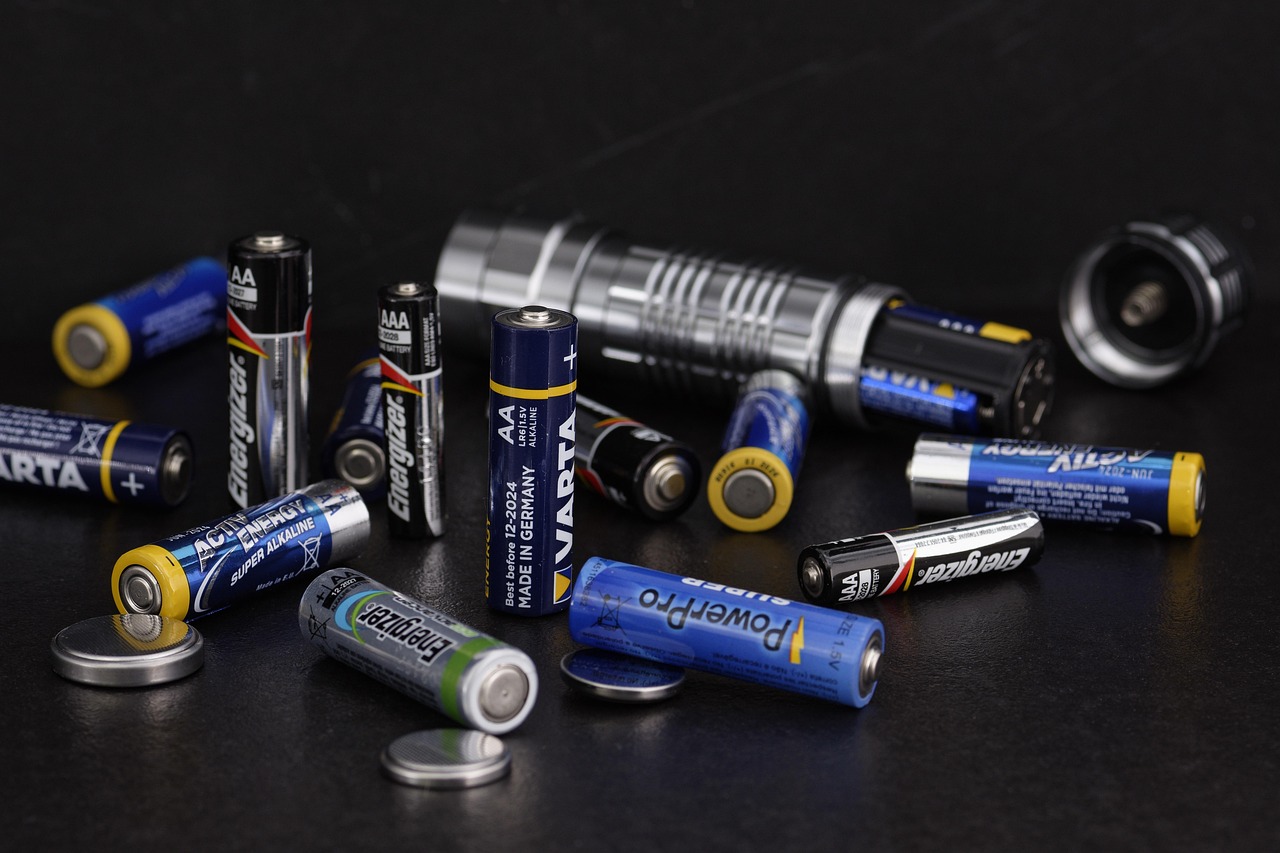
Most people have a limited understanding of lithium-ion batteries, often believing they are universally superior to other battery types or that they have no significant drawbacks. However, the reality is more complex, with lithium-ion batteries offering a unique balance of benefits and challenges. Despite their widespread use in portable electronics and electric vehicles, there is much to learn about these batteries. The public’s perception of lithium-ion batteries is often influenced by misconceptions and a lack of detailed information.
Breaking Down Lithium-ion Batteries
A lithium-ion battery is a type of rechargeable battery that uses lithium ions to store energy. The battery consists of a positive cathode and a negative anode, separated by an electrolyte that facilitates the movement of lithium ions between the electrodes during charging and discharging. This process allows lithium-ion batteries to achieve high energy densities, making them suitable for a wide range of applications, from small portable devices to large-scale energy storage systems.
Lithium-ion Battery Methods Worth Knowing
1. Lithium Cobalt Oxide (LCO) Batteries
Lithium Cobalt Oxide (LCO) batteries are one of the most common types of lithium-ion batteries, known for their high energy density and long cycle life. They are widely used in portable electronics such as smartphones and laptops.
- Strengths:
- High energy density
- Long cycle life
- Relatively low self-discharge rate
- Known Issues:
- High cost
- Limited thermal stability
- Risk of overheating
2. Lithium Iron Phosphate (LFP) Batteries
Lithium Iron Phosphate (LFP) batteries are another type of lithium-ion battery, characterized by their improved safety, lower cost, and higher discharge rates compared to LCO batteries. They are often used in electric vehicles and renewable energy systems.
- Strengths:
- Improved safety
- Lower cost
- Higher discharge rates
- Known Issues:
- Lower energy density
- Heavier than LCO batteries
- Less efficient at high temperatures
| Battery Type | Energy Density | Cycle Life | Cost |
|---|---|---|---|
| LCO | 120-150 Wh/kg | 300-500 cycles | High |
| LFP | 80-120 Wh/kg | 1000-2000 cycles | Lower |
Practical Takeaways
✔ Understanding Battery Types
Recognizing the differences between various lithium-ion battery types, such as LCO and LFP, is crucial for selecting the most appropriate battery for a specific application, ensuring optimal performance and safety.
✔ Charging and Maintenance
Proper charging and maintenance practices can significantly extend the lifespan of lithium-ion batteries, reducing the risk of overheating and degradation.
✔ Application-Specific Design
Lithium-ion batteries should be designed with the specific application in mind, taking into account factors such as energy density, discharge rate, and operating temperature to achieve the best possible performance and efficiency.
✔ Safety Considerations
Ensuring the safety of lithium-ion batteries is critical, particularly in high-risk applications such as electric vehicles, where the consequences of battery failure can be severe.
✔ Environmental Impact
The production and disposal of lithium-ion batteries have significant environmental implications, emphasizing the need for sustainable manufacturing practices and responsible waste management.
What to Expect Next
- Advancements in lithium-ion battery technology will continue to improve energy density, safety, and cost-effectiveness.
- The development of solid-state batteries is expected to offer even higher energy densities and improved safety.
- Increased focus on sustainable and responsible lithium-ion battery production and recycling practices.
- Growing demand for lithium-ion batteries in emerging markets and applications, such as renewable energy systems and electric vehicles.
- Further research into alternative battery chemistries, such as sodium-ion and zinc-air batteries, as potential competitors to lithium-ion technology.
Final Thoughts
Lithium-ion batteries have revolutionized the way we power our devices and vehicles, but their complexities and limitations must be understood to fully appreciate their capabilities and potential. Ongoing research and development are crucial to addressing the challenges associated with lithium-ion batteries and unlocking their full potential. As the world continues to rely on these batteries, it is essential to prioritize sustainability, safety, and innovation in their design, production, and use.