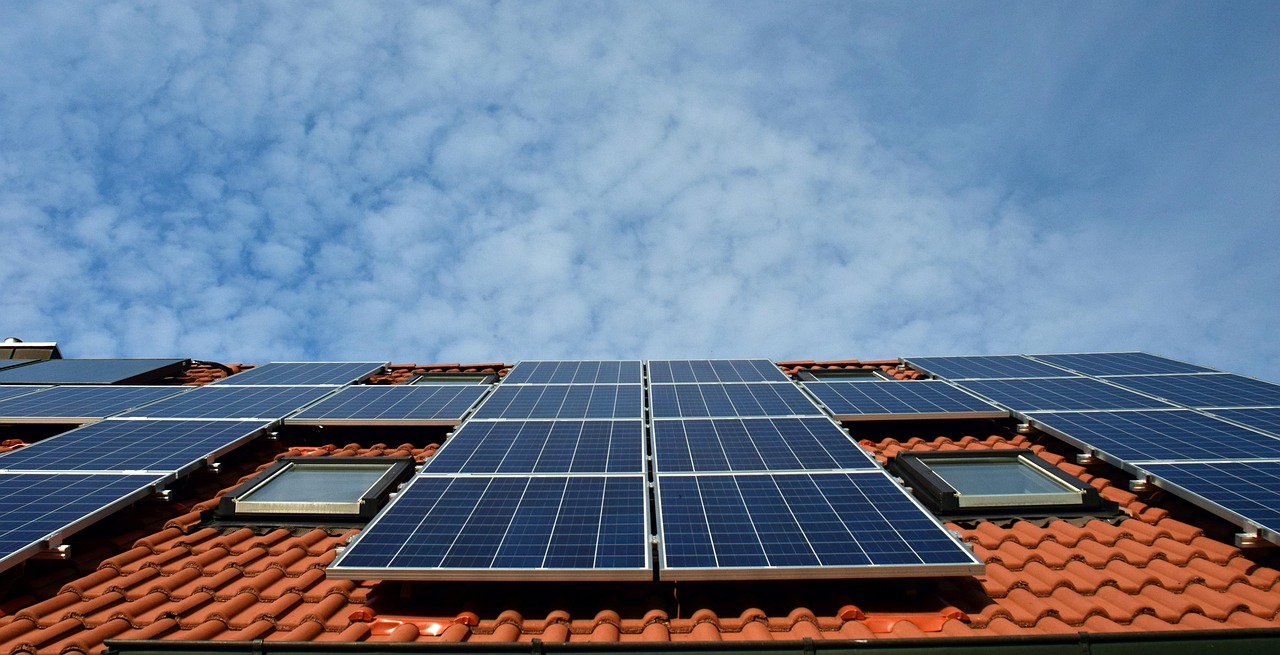
According to recent statistics, the world’s renewable energy capacity has surpassed 3 terawatts, with solar and wind power accounting for the majority of the growth. This milestone marks a significant turning point in the transition to a low-carbon economy, with green energy becoming increasingly cost-competitive with fossil fuels. In fact, the cost of renewable energy has fallen dramatically over the past decade, making it more accessible and affordable for countries around the world. As a result, green energy is expected to play a major role in reducing carbon emissions and mitigating climate change in the years to come.
Breaking Down Green Energy
Green energy, also known as renewable energy, refers to the generation of energy from natural resources that can be replenished over time, such as sunlight, wind, rain, and geothermal heat. These energy sources are sustainable, non-polluting, and abundant, making them an attractive alternative to fossil fuels. Green energy can be used to generate electricity, heat, and fuel, and can be used in a variety of applications, from residential homes to commercial buildings and industrial processes.
Key Green Energy Advancements
1. Solar Energy
Solar energy is one of the fastest-growing sources of renewable energy, with the cost of solar panels falling by over 70% in the past decade. This has made solar energy more accessible and affordable for homeowners and businesses, driving adoption and investment in the sector.
- Strengths:
- Abundant resource: Solar energy is available everywhere, making it a widely accessible source of energy.
- Zero emissions: Solar energy generates electricity without producing any greenhouse gas emissions or pollution.
- Low maintenance: Solar panels require minimal maintenance and can last for up to 30 years or more.
- Known Issues:
- Intermittent energy source: Solar energy is not always available, as it depends on weather conditions and time of day.
- High upfront costs: While the cost of solar panels has fallen, the upfront cost of installation can still be prohibitively expensive for some individuals and businesses.
2. Wind Energy
Wind energy is another major source of renewable energy, with the global wind market expected to reach new heights in 2026. Advances in technology have improved the efficiency and reliability of wind turbines, making them a more attractive option for investors and developers.
- Strengths:
- Renewable resource: Wind energy is a renewable resource that can be replenished naturally.
- Low operating costs: Wind turbines have low operating costs, as there are no fuel costs and maintenance is minimal.
- Scalability: Wind energy can be generated at a variety of scales, from small residential turbines to large commercial wind farms.
- Known Issues:
- Location-dependent: Wind energy is dependent on location, with some areas having more favorable wind conditions than others.
- Visual impact: Wind turbines can have a visual impact on the surrounding landscape, which can be a concern for some communities.
| Energy Source | Capacity Factor | Levelized Cost of Energy |
|---|---|---|
| Solar Energy | 25-30% | $30-50/MWh |
| Wind Energy | 35-45% | $25-40/MWh |
What This Means in Practice
The growth of the green energy sector has significant implications for the environment, the economy, and society as a whole. Some of the key benefits of green energy include:
✔ Reduced greenhouse gas emissions
Green energy can help reduce greenhouse gas emissions and mitigate climate change, which is essential for protecting the environment and ensuring a sustainable future.
✔ Improved air quality
Green energy can help improve air quality by reducing pollution from fossil fuels, which can have significant health benefits for communities and individuals.
✔ Enhanced energy security
Green energy can help enhance energy security by reducing dependence on imported fossil fuels and promoting energy self-sufficiency.
✔ Job creation and economic growth
The green energy sector is creating new job opportunities and driving economic growth, which can have a positive impact on local communities and the economy as a whole.
✔ Increased accessibility and affordability
Green energy is becoming more accessible and affordable, making it possible for more people to access clean and reliable energy.
What’s Coming
- Predictions suggest that the cost of renewable energy will continue to fall, making it even more competitive with fossil fuels.
- Advances in technology are expected to improve the efficiency and reliability of green energy systems.
- Government policies and regulations are likely to play a major role in driving the adoption of green energy and reducing greenhouse gas emissions.
- The growth of the green energy sector is expected to create new job opportunities and drive economic growth.
- Increased investment in green energy infrastructure is expected to improve energy security and reduce dependence on imported fossil fuels.
- The development of new green energy technologies, such as floating wind turbines and advanced solar panels, is expected to drive innovation and growth in the sector.
One Last Thing
The growth of the green energy sector is a significant step towards a more sustainable future, and it is essential that individuals, businesses, and governments continue to invest in and support the development of renewable energy sources. As the world continues to transition to a low-carbon economy, green energy is likely to play an increasingly important role in reducing greenhouse gas emissions and mitigating climate change. The future of green energy looks bright, with new technologies and innovations emerging all the time to drive growth and adoption in the sector.