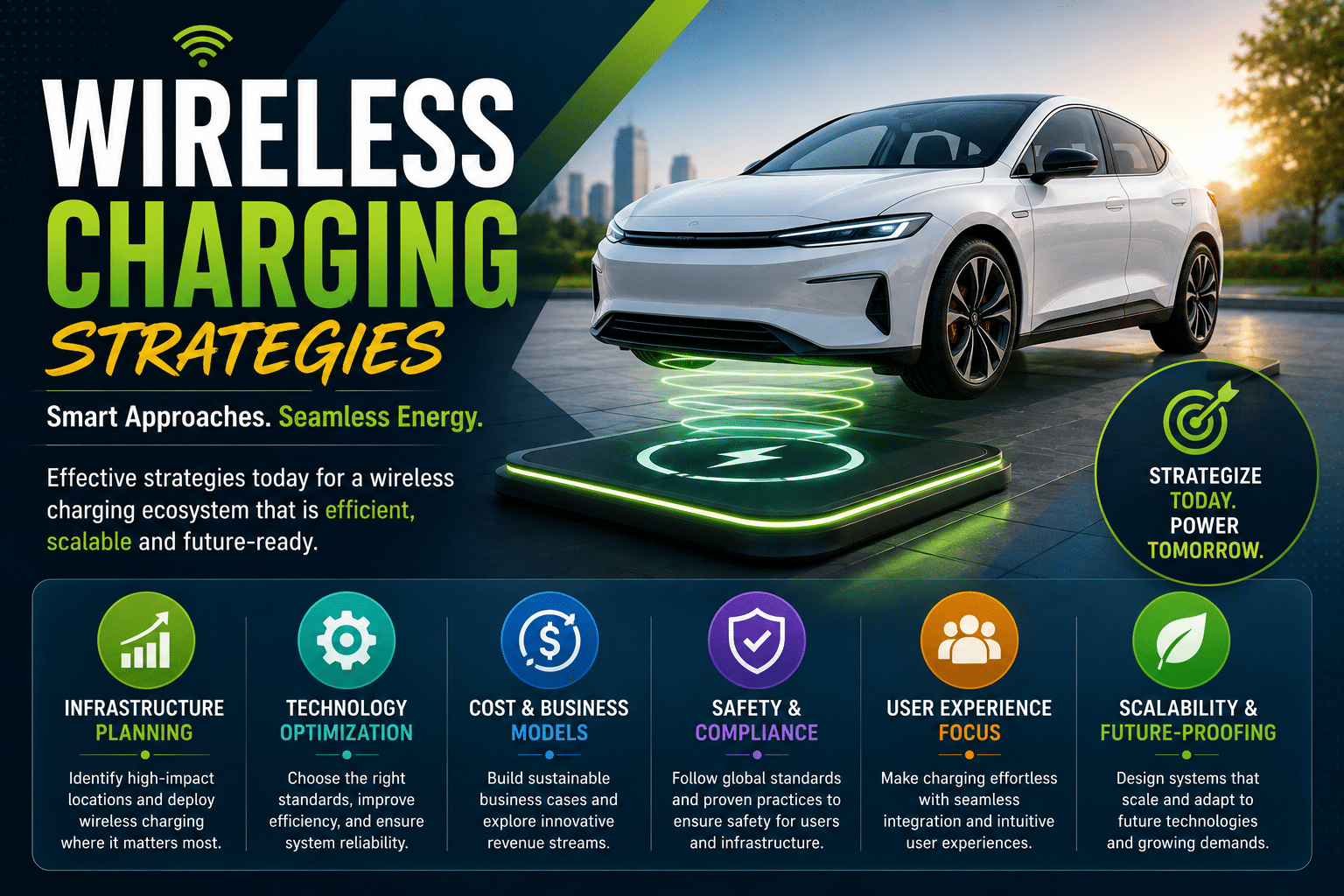
Imagine a world where devices are powered without the need for cables or charging ports. Wireless charging is making this vision a reality, with many devices now incorporating this technology. As the demand for wireless charging continues to grow, researchers and developers are working to improve its efficiency and convenience.
Breaking Down Wireless Charging
Wireless charging, also known as inductive charging, is a method of transferring power from a charging base to a device without the need for a physical connection. This is achieved through the use of electromagnetic fields, which induce an electrical current in the device, allowing it to charge. Wireless charging is based on the principle of electromagnetic induction, which was discovered by Michael Faraday in 1831.
Key Wireless Charging Advancements
1. Qi Standard
The Qi standard is a widely adopted protocol for wireless charging, developed by the Wireless Power Consortium. This standard ensures compatibility between devices and charging bases, allowing users to charge their devices on any Qi-enabled charging base. The Qi standard has played a crucial role in promoting the adoption of wireless charging technology.
- Why It Works:
- Ensures compatibility between devices and charging bases
- Allows for efficient power transfer
- Provides a safe and reliable charging experience
- Hurdles to Overcome:
- Interoperability issues between different devices and charging bases
- Limited power transfer efficiency
- High cost of implementation
2. Resonant Wireless Charging
Resonant wireless charging is a technology that uses resonant coils to improve the efficiency of power transfer. This technology allows for longer-range charging and higher power transfer rates, making it suitable for applications such as electric vehicles and medical devices.
- Why It Works:
- Improves power transfer efficiency
- Allows for longer-range charging
- Enables higher power transfer rates
- Hurdles to Overcome:
- Higher cost of implementation
- Increased complexity of the charging system
- Potential safety risks due to increased power transfer rates
| Wireless Charging Technology | Power Transfer Efficiency | Range |
|---|---|---|
| Inductive Charging | 50-80% | 5-10 mm |
| Resonant Charging | 80-90% | 10-50 mm |
Why This Matters to You
✔ Convenience
Wireless charging offers a convenient and hassle-free way to charge devices, eliminating the need for cables and charging ports.
✔ Increased Safety
Wireless charging reduces the risk of electrical shock and fire hazards associated with traditional charging methods.
✔ Improved Device Design
Wireless charging enables device manufacturers to design devices with fewer ports and a more streamlined appearance.
✔ Reduced Maintenance
Wireless charging reduces the wear and tear on devices, as there are no charging ports or cables to damage.
✔ Enhanced User Experience
Wireless charging provides a seamless and intuitive charging experience, allowing users to simply place their devices on a charging base to start charging.
What’s Coming
- Long-range wireless charging technology
- Higher power transfer rates
- Improved efficiency and safety features
- Wider adoption of wireless charging in various industries
- Development of new wireless charging standards and protocols
- Increased focus on sustainable and eco-friendly wireless charging solutions
Key Takeaways
Wireless charging is a rapidly evolving technology that offers numerous benefits and advantages. As the demand for wireless charging continues to grow, researchers and developers are working to improve its efficiency, safety, and convenience. With the advancement of wireless charging technology, users can expect a more seamless and intuitive charging experience in the future.