Urban mobility is revolutionizing the way cities function, reducing congestion and emissions, and improving quality of life for citizens. The way people move around cities is changing rapidly, driven by technological innovations, shifting lifestyles, and growing concerns about the environment. As cities continue to grow and evolve, urban mobility has become a critical aspect of urban planning, with a focus on creating efficient, sustainable, and equitable transportation systems. With the rise of new technologies and innovative transportation solutions, cities are becoming more livable and environmentally friendly.
Understanding Urban Mobility
Urban mobility refers to the ability of people and goods to move freely and efficiently within cities, using various modes of transportation, including public transit, walking, cycling, and driving. It involves the planning, design, and operation of transportation systems, as well as the management of traffic flow, parking, and logistics. Effective urban mobility is essential for the economic, social, and environmental well-being of cities, as it enables people to access employment, education, healthcare, and other essential services, while also reducing congestion, air pollution, and other negative impacts on the environment.
<h2 Latest Urban Mobility Technologies
1. Electric Vehicles
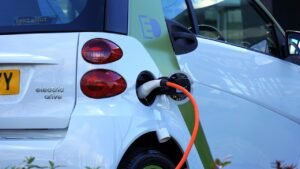
Electric vehicles (EVs) are becoming increasingly popular, offering a cleaner and more sustainable alternative to traditional gasoline-powered cars. EVs produce zero tailpipe emissions, reducing air pollution and greenhouse gas emissions in urban areas.
- Strengths:
- Zero tailpipe emissions
- Lower operating costs
- Improved performance
- Challenges:
- Higher upfront costs
- Limited charging infrastructure
- Range anxiety
2. Autonomous Vehicles
Autonomous vehicles (AVs) are being developed to improve road safety, reduce traffic congestion, and enhance mobility for the elderly and disabled. AVs use advanced sensors, software, and hardware to navigate roads and interact with other vehicles and pedestrians.
- Strengths:
- Improved safety
- Increased mobility
- Enhanced traffic flow
- Challenges:
- Technical complexity
- Regulatory frameworks
- Public acceptance
| Technology | Description | Benefits |
|---|---|---|
| Electric Vehicles | Zero-emission vehicles powered by electricity | Reduced air pollution, lower operating costs |
| Autonomous Vehicles | Self-driving vehicles using advanced sensors and software | Improved safety, increased mobility, enhanced traffic flow |
Practical Takeaways
✔ Reduced Congestion
By implementing efficient urban mobility systems, cities can reduce traffic congestion, decreasing travel times and improving air quality.
✔ Improved Air Quality
Electric and hybrid vehicles, as well as non-motorized transportation modes like walking and cycling, can significantly reduce air pollution in urban areas.
✔ Enhanced Mobility
Urban mobility solutions can increase access to employment, education, and healthcare, particularly for low-income and marginalized communities.
✔ Increased Safety
Autonomous vehicles and other urban mobility technologies can improve road safety, reducing accidents and fatalities.
✔ Economic Benefits
Effective urban mobility can stimulate local economies, attracting businesses, investments, and talent to cities.
Upcoming Trends
- Increased adoption of electric and hybrid vehicles
- Expansion of autonomous vehicle testing and deployment
- Growing investment in smart transportation infrastructure
- Greater emphasis on non-motorized transportation modes
- Development of more efficient and sustainable public transit systems
- Integration of urban mobility with other urban systems, such as energy and waste management
The Big Picture
Urban mobility is a critical component of creating sustainable, equitable, and livable cities. As cities continue to evolve and grow, innovative urban mobility solutions will play a vital role in shaping the future of urban development. By prioritizing efficient, sustainable, and accessible transportation systems, cities can improve the quality of life for their citizens, while also reducing their environmental footprint.