75% of the world’s electricity is used to power electric motors, highlighting their widespread application and significance. Electric motors are a crucial component in many industries, from manufacturing and transportation to consumer goods and healthcare. Their efficiency and reliability have a direct impact on the overall performance and productivity of various systems and applications. As technology continues to evolve, the demand for more efficient and sustainable electric motors is on the rise.
A Closer Look at Electric Motors
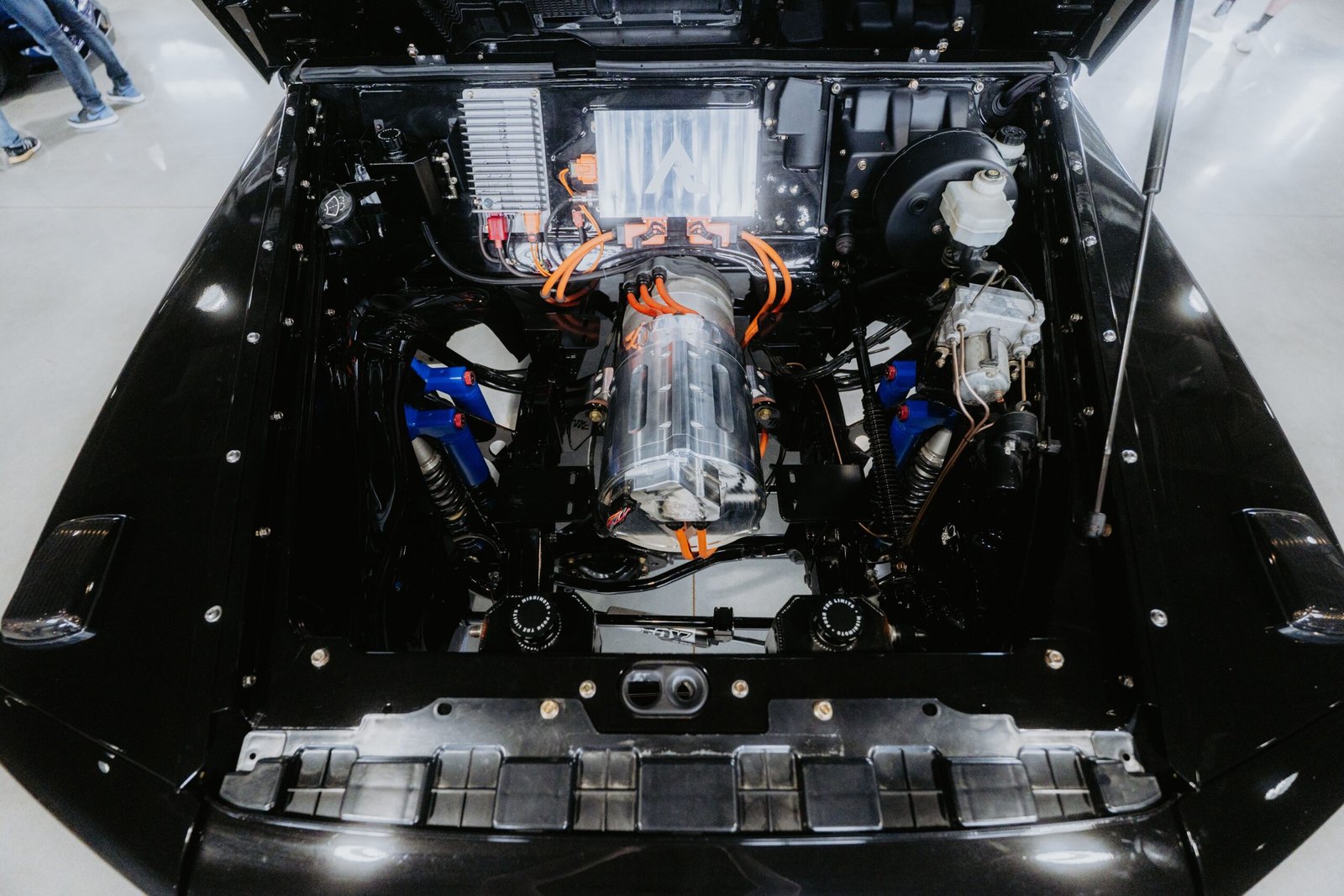
Electric motors are devices that convert electrical energy into mechanical energy, producing rotary motion or torque. They operate on the principle of electromagnetic induction, where an electric current generates a magnetic field, interacting with another magnetic field to produce motion. Electric motors are available in various types, including DC motors, AC motors, and stepper motors, each with its unique characteristics and applications.
Key Electric Motor Advancements
1. Brushless DC Motors
Brushless DC motors have gained popularity in recent years due to their high efficiency, reliability, and low maintenance requirements. They use electronic commutation, eliminating the need for brushes and reducing wear and tear on the motor.
- Strengths:
- High efficiency and reliability
- Low maintenance requirements
- Compact design and high power density
- Drawbacks:
- Higher upfront cost compared to traditional DC motors
- Requires complex control systems and electronics
2. Permanent Magnet Synchronous Motors
Permanent magnet synchronous motors are known for their high efficiency, power density, and reliability. They use permanent magnets instead of electromagnetic windings, reducing energy losses and increasing overall performance.
- Strengths:
- High efficiency and power density
- Low energy losses and high reliability
- Compact design and high torque output
- Drawbacks:
- Higher cost due to the use of rare earth magnets
- Sensitive to temperature changes and demagnetization
| Motor Type | Efficiency | Power Density | Reliability |
|---|---|---|---|
| Brushless DC Motor | 90-95% | High | High |
| Permanent Magnet Synchronous Motor | 95-98% | Very High | Very High |
What This Means in Practice
✔ Increased Efficiency
Electric motors with high efficiency reduce energy consumption, leading to cost savings and a lower carbon footprint. This is particularly significant in industries where motors are used extensively, such as manufacturing and transportation.
✔ Reduced Maintenance
Electric motors with low maintenance requirements reduce downtime and increase overall productivity. This is especially important in applications where motors are used continuously, such as in healthcare and consumer goods.
✔ Improved Reliability
Electric motors with high reliability reduce the risk of failure, ensuring continuous operation and minimizing the need for repairs. This is critical in applications where motor failure can have significant consequences, such as in aerospace and automotive.
✔ Compact Design
Electric motors with compact designs enable the development of smaller and more portable devices, expanding their range of applications. This is particularly significant in industries where space is limited, such as in robotics and consumer electronics.
✔ High Power Density
Electric motors with high power density enable the development of high-performance devices, increasing their overall capability and efficiency. This is especially important in applications where high power output is required, such as in industrial machinery and renewable energy systems.
Where This Is Headed
- Advances in materials and manufacturing technologies will lead to further improvements in electric motor efficiency and reliability.
- The development of new motor types, such as synchronous reluctance motors, will expand the range of applications and improve overall performance.
- Increased adoption of electric motors in emerging industries, such as robotics and autonomous vehicles, will drive innovation and growth.
- Growing demand for sustainable and energy-efficient solutions will drive the development of more efficient and environmentally friendly electric motors.
- Advances in control systems and electronics will enable the development of more sophisticated and high-performance electric motors.
- The integration of electric motors with other technologies, such as artificial intelligence and the Internet of Things, will enable the development of more intelligent and connected devices.
Final Thoughts
Electric motors play a vital role in many industries and applications, and their advancements continue to shape the future of technology and innovation. As the demand for more efficient and sustainable electric motors grows, manufacturers and developers must continue to innovate and improve their designs. With their numerous quick wins, including increased efficiency and reduced maintenance, electric motors will remain a crucial component in many industries for years to come.