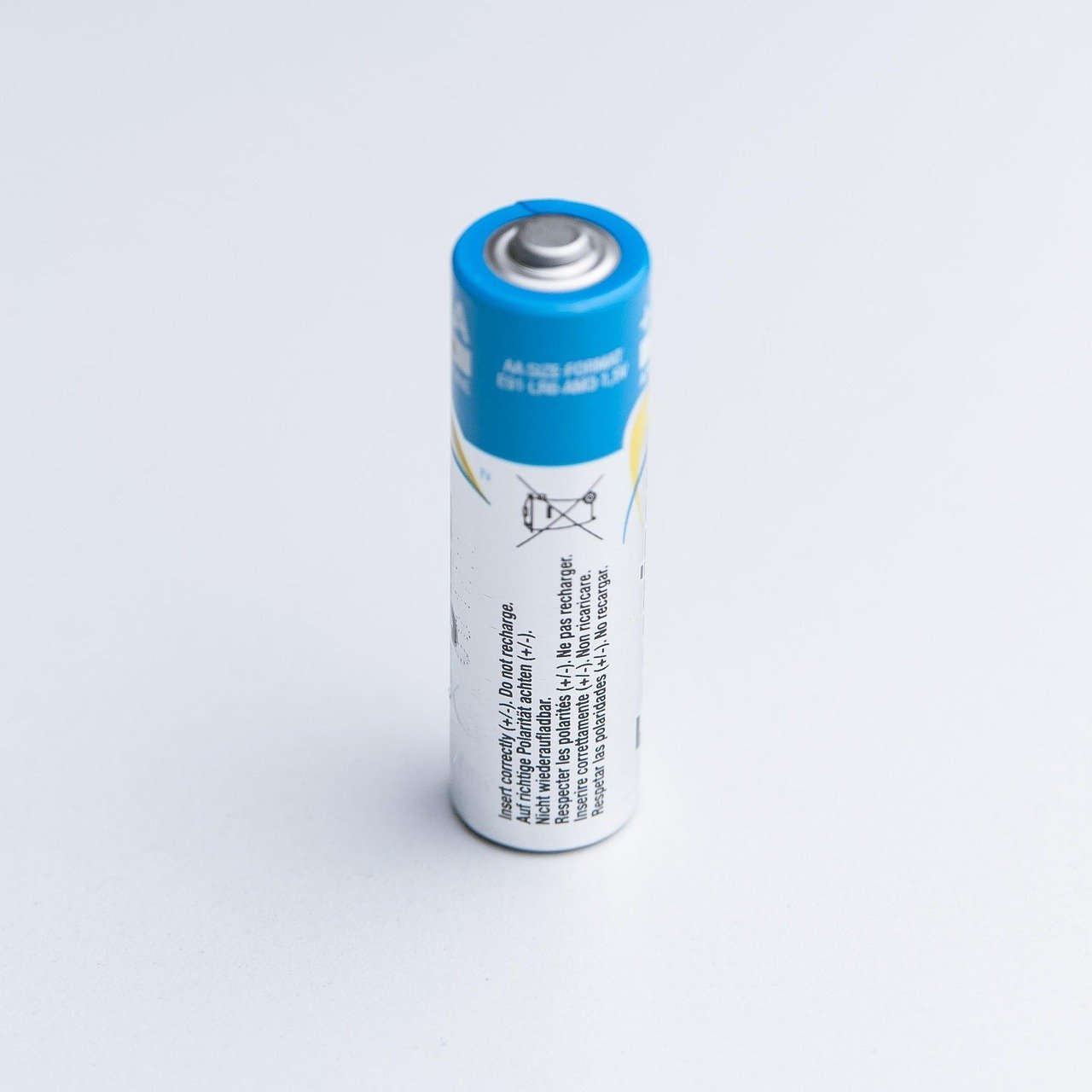
It is commonly assumed that traditional lithium-ion batteries are the pinnacle of energy storage technology. However, solid-state batteries are poised to challenge this notion by offering enhanced safety, energy density, and charging speeds. The shift towards solid-state technology is not just about incremental improvements but rather a fundamental redesign of the battery’s core components. As research and development in this area continue to advance, the potential for widespread adoption across multiple sectors becomes increasingly plausible.
Defining Solid-State Batteries
A solid-state battery is defined by its use of a solid electrolyte instead of the liquid or gel-like electrolyte found in conventional lithium-ion batteries. This substitution is crucial because it addresses several of the limitations and risks associated with traditional battery designs, such as the potential for thermal runaway and the flammability of the electrolyte. By replacing the liquid electrolyte with a solid material, manufacturers can create batteries that are safer, more reliable, and potentially more powerful.
Key Solid-State Battery Advancements
1. Enhanced Safety Features
One of the most significant advantages of solid-state batteries is their improved safety profile. The solid electrolyte is non-flammable and less prone to overheating, which reduces the risk of battery fires and explosions. This facet is particularly important for applications where safety is paramount, such as in electric vehicles and aerospace.
- Strengths:
- Reduced risk of thermal runaway
- Non-flammable electrolyte
- Improved overall safety
2. Increased Energy Density
Solid-state batteries also offer the potential for higher energy density than their lithium-ion counterparts. This means that, for the same size and weight, solid-state batteries could store more energy, leading to longer battery life in portable devices and longer driving ranges in electric vehicles.
- Strengths:
- Higher energy storage capacity
- Potential for smaller battery sizes
- Drawbacks:
- Current high production costs
- Challenges in scaling up manufacturing
| Battery Type | Energy Density | Safety Features |
|---|---|---|
| Lithium-Ion | 100-265 Wh/kg | Liquid Electrolyte, Risk of Thermal Runaway |
| Solid-State | 350-500 Wh/kg (projected) | Solid Electrolyte, Reduced Thermal Runaway Risk |
How This Affects Everyday Life
✔ Improved Safety in Consumer Electronics
The integration of solid-state batteries into consumer electronics, such as smartphones and laptops, could significantly reduce the risk of battery-related accidents, providing users with a safer and more reliable experience.
✔ Enhanced Performance in Electric Vehicles
Solid-state batteries could lead to electric vehicles with longer driving ranges, faster charging times, and reduced weights, making them more competitive with traditional gasoline-powered vehicles and contributing to a more sustainable transportation sector.
✔ Increased Efficiency in Renewable Energy Systems
By storing energy more efficiently and safely, solid-state batteries can play a critical role in renewable energy systems, such as solar and wind power, by stabilizing the grid and ensuring a steady supply of electricity.
✔ Potential for Widespread Adoption
The advantages of solid-state batteries make them an attractive option for various industries, from aerospace to medical devices, potentially leading to their widespread adoption and further driving innovation in energy storage technology.
✔ Economic Impacts
The shift to solid-state batteries could have significant economic implications, including the creation of new jobs in manufacturing and research, as well as potential savings for consumers through more efficient and longer-lasting batteries.
The Road Ahead
- Continued research and development to overcome current technical challenges and reduce production costs.
- Scaling up manufacturing capabilities to meet potential demand across various sectors.
- Integration of solid-state batteries into existing products and the development of new applications that exploit their unique advantages.
- Regulatory frameworks that support the adoption of solid-state battery technology, focusing on safety standards and environmental impact.
- Collaboration between industry players, academia, and governments to accelerate the commercialization of solid-state batteries.
- Investment in recycling technologies to ensure the sustainable lifecycle of solid-state batteries.
Key Takeaways
Solid-state batteries represent a significant advancement in energy storage technology, offering improved safety, higher energy density, and the potential for faster charging speeds. As research and development continue, these batteries are poised to play a crucial role in shaping the future of energy storage across multiple industries. The impact of solid-state batteries will be felt from consumer electronics to electric vehicles, contributing to a more sustainable and efficient use of energy.