The world is shifting towards a more sustainable and eco-friendly approach to transportation, with electric vehicles (EVs) at the forefront of this movement. As concern for the environment grows, many individuals are considering making the switch to an electric vehicle. However, the process can be daunting, especially for those who are new to the world of EVs. With so many options available, it can be difficult to know where to start.
What Is Electric Vehicle?
An electric vehicle is a type of vehicle that uses one or more electric motors or traction motors for propulsion. EVs are powered by electricity from a battery, which can be charged from an external source, such as a wall socket or a charging station. Electric vehicles have several benefits, including reduced greenhouse gas emissions, lower operating costs, and improved performance.
Electric Vehicle Methods Worth Knowing
1. Hybrid Electric Vehicles
Hybrid electric vehicles (HEVs) combine a conventional internal combustion engine with an electric motor and battery. This allows for improved fuel efficiency and reduced emissions. HEVs are a great option for those who want to transition to an electric vehicle but still need the range and flexibility of a traditional vehicle.
- Strengths:
- Improved fuel efficiency
- Reduced emissions
- Lower operating costs
- What Needs Work:
- Limited electric-only range
- Higher upfront cost
2. Battery Electric Vehicles
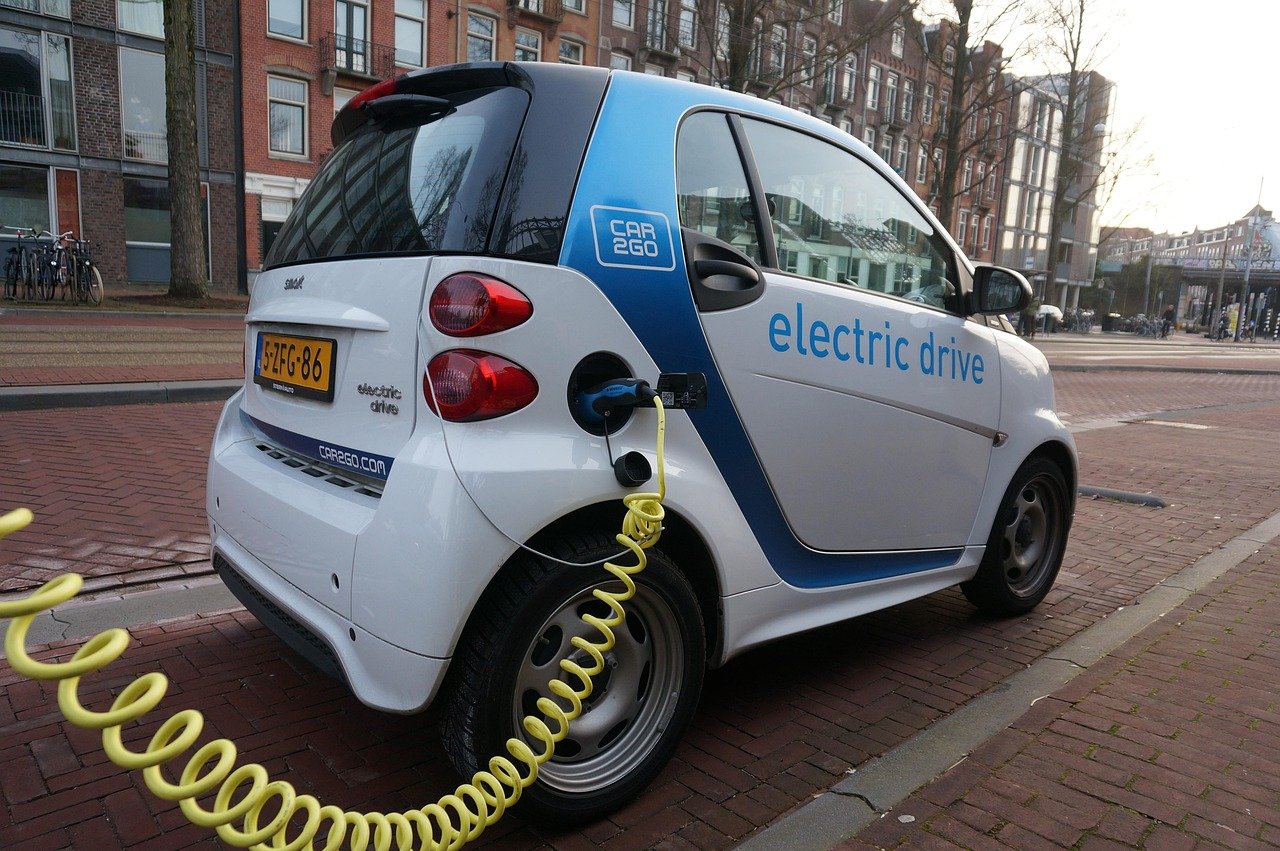
Battery electric vehicles (BEVs) are powered solely by a battery and electric motor. BEVs have a longer electric-only range than HEVs and are a great option for those who have a dedicated parking spot and access to a charging station.
- Strengths:
- Zero emissions
- Lower operating costs
- Improved performance
- What Needs Work:
- Limited range and charging time
- Higher upfront cost
| Vehicle Type | Electric-Only Range | Fuel Efficiency |
|---|---|---|
| Hybrid Electric Vehicle | 20-50 miles | 40-60 mpg |
| Battery Electric Vehicle | 200-300 miles | 100-150 mpg-e |
Why People Are Paying Attention
There are several reasons why people are paying attention to electric vehicles. Some of the benefits include:
✔ Reduced Greenhouse Gas Emissions
Electric vehicles produce zero tailpipe emissions, reducing greenhouse gas emissions and air pollution in urban areas.
✔ Lower Operating Costs
Electric vehicles have lower operating costs than traditional vehicles, with lower fuel and maintenance costs.
✔ Improved Performance
Electric vehicles have improved performance, with instant torque and a smoother ride.
✔ Government Incentives
Many governments offer incentives for purchasing electric vehicles, such as tax credits and rebates.
✔ Increased Model Options
There are now many electric vehicle models available, with a range of prices and features to suit different needs and budgets.
How This Will Evolve
- Improved battery technology will increase range and reduce charging time.
- More governments will offer incentives for purchasing electric vehicles.
- Electric vehicles will become more affordable and accessible to a wider range of people.
- Charging infrastructure will expand and improve, making it easier to charge on the go.
- Autonomous electric vehicles will become more prevalent, revolutionizing the transportation industry.
- Electric vehicles will play a key role in reducing greenhouse gas emissions and mitigating climate change.
Key Takeaways
To wrap up, electric vehicles offer a sustainable and eco-friendly alternative to traditional vehicles. With their reduced greenhouse gas emissions, lower operating costs, and improved performance, electric vehicles are an attractive option for those looking to make the switch. As technology continues to evolve and improve, electric vehicles will become an increasingly important part of the transportation landscape.