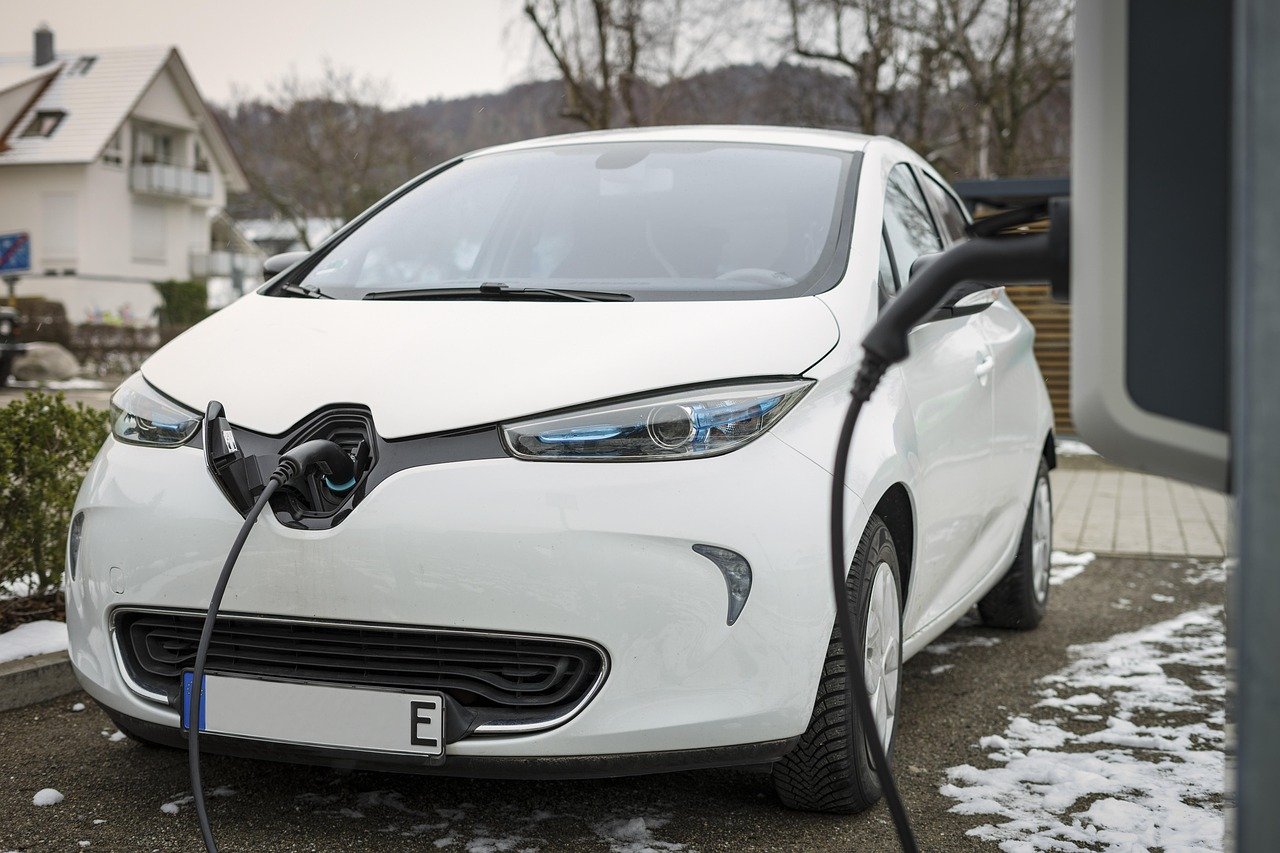
Battery-powered cars are increasingly becoming a popular choice for environmentally conscious drivers, offering a cleaner alternative to traditional gasoline-powered vehicles. As the world shifts towards more sustainable transportation options, the demand for electric vehicles (EVs) is on the rise. However, for those new to the world of EVs, navigating the various types, charging methods, and maintenance requirements can be overwhelming. With the right guidance, beginner drivers can make an informed decision and enjoy the benefits of battery-powered car ownership.
Defining Battery-Powered Cars
Battery-powered cars, also known as electric vehicles (EVs), are automobiles that are propelled by electric motors powered by rechargeable batteries. These vehicles offer a zero-emission alternative to traditional gasoline-powered cars, reducing greenhouse gas emissions and minimizing environmental impact. With advancements in technology, EVs have become more efficient, affordable, and accessible to a wider range of consumers.
Battery-Powered Car Methods Worth Knowing
1. Understanding Electric Vehicle Types
There are several types of electric vehicles available, each with its unique characteristics and advantages. Understanding the different types of EVs can help beginner drivers make an informed decision when choosing their first battery-powered car. Some of the most common types of EVs include battery electric vehicles (BEVs), plug-in hybrid electric vehicles (PHEVs), and hybrid electric vehicles (HEVs).
- Strengths:
- Zero-emission propulsion
- Lower operating costs
- Smooth and quiet ride
- Hurdles to Overcome:
- Limited range and charging infrastructure
- Higher upfront costs
- Dependence on battery technology
2. Charging and Maintenance
Charging and maintenance are crucial aspects of battery-powered car ownership. Understanding the different charging methods, such as Level 1, Level 2, and DC Fast Charging, can help drivers optimize their charging routine and minimize downtime. Regular maintenance, including tire rotations and brake pad replacements, is also essential to ensure the longevity and performance of the vehicle.
- Strengths:
- Convenience of home charging
- Lower maintenance costs
- Improved overall efficiency
- Hurdles to Overcome:
- Charging time and infrastructure limitations
- Potential battery degradation
- Dependence on electricity supply
| Charging Method | Charging Time | Cost |
|---|---|---|
| Level 1 (120V) | 12-24 hours | $0.00 – $0.05/kWh |
| Level 2 (240V) | 4-8 hours | $0.05 – $0.10/kWh |
| DC Fast Charging | 30 minutes – 1 hour | $0.10 – $0.20/kWh |
Why People Are Paying Attention
✔ Environmental Benefits
Battery-powered cars offer a zero-emission alternative to traditional gasoline-powered vehicles, reducing greenhouse gas emissions and minimizing environmental impact. This has led to an increased interest in EVs among environmentally conscious drivers.
✔ Lower Operating Costs
Electric vehicles have lower operating costs compared to traditional gasoline-powered cars, with reduced fuel costs and lower maintenance requirements. This has made EVs an attractive option for drivers looking to save money on fuel and maintenance.
✔ Government Incentives
Many governments offer incentives for drivers who purchase electric vehicles, including tax credits, rebates, and exemptions from certain fees. These incentives have helped to increase the adoption of EVs among consumers.
✔ Improved Performance
Battery-powered cars offer a smooth and quiet ride, with instant torque and improved acceleration. This has led to an increased interest in EVs among driving enthusiasts and performance-oriented drivers.
✔ Advancements in Technology
Advances in battery technology have led to improved range and efficiency, making EVs a more viable option for long-distance driving and daily commutes. This has helped to increase the adoption of EVs among consumers who require a reliable and efficient vehicle.
What to Expect Next
- Increased investment in charging infrastructure, including the development of high-speed charging corridors and urban charging hubs
- Advances in battery technology, including the development of solid-state batteries and improved range and efficiency
- Expansion of EV model options, including the introduction of new electric SUVs, trucks, and luxury vehicles
- Growing demand for electric vehicles, driven by government incentives, environmental concerns, and improving technology
- Increased focus on sustainability and eco-friendliness, with a growing emphasis on renewable energy sources and reduced waste
- Development of new business models, including car-sharing and subscription services, to increase access to electric vehicles and reduce ownership costs
Closing Thoughts
Battery-powered cars offer a promising alternative to traditional gasoline-powered vehicles, with a range of benefits including environmental sustainability, lower operating costs, and improved performance. As the world continues to shift towards more sustainable transportation options, the demand for electric vehicles is expected to grow, driven by advances in technology, government incentives, and growing consumer interest. With the right guidance and support, beginner drivers can navigate the world of electric vehicles with ease and confidence.