Imagine a world where transportation is not only efficient but also environmentally friendly. A world where the air is clean, and the noise pollution is minimal. This is the world of sustainable transport, where individuals and governments work together to reduce the environmental impact of moving people and goods from one place to another. Sustainable transport is not just a dream, but a reality that is being implemented step by step in cities and countries around the world.
What Is Sustainable Transport?
Sustainable transport refers to the use of transportation modes that minimize harm to the environment and conserve natural resources. This can include walking, cycling, using public transport, or driving electric or hybrid vehicles. The goal of sustainable transport is to reduce the negative impacts of transportation, such as air pollution, noise pollution, and climate change, while still providing people with the mobility they need to live their daily lives.
Top Sustainable Transport Innovations to Know
1. Electric Vehicles
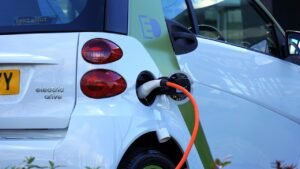
Electric vehicles are a type of sustainable transport that is becoming increasingly popular. They are powered by electricity from batteries, rather than gasoline or diesel, and produce zero tailpipe emissions. This makes them an attractive option for people who want to reduce their carbon footprint and contribute to a cleaner environment.
- What You Gain:
- Zero tailpipe emissions
- Lower operating costs
- Smooth and quiet ride
- What Needs Work:
- Limited range and charging infrastructure
- Higher upfront costs
- Battery durability and recycling
2. Hyperloop Systems
Hyperloop systems are a new mode of transportation that could revolutionize the way people travel. They involve traveling in vacuum-sealed tubes at speeds of up to 700 miles per hour, making them faster than air travel and more energy-efficient than traditional rail systems.
- What You Gain:
- High speeds and reduced travel times
- Energy efficiency and low emissions
- Potential for reduced infrastructure costs
- What Needs Work:
- Technical challenges and safety concerns
- High upfront costs and funding
- Regulatory frameworks and public acceptance
| Mode of Transport | Emissions (g/mi) | Energy Efficiency |
|---|---|---|
| Electric Vehicle | 0 | 3-4 miles/kWh |
| Hyperloop System | 0 | 300-400 passenger-miles/kWh |
| Gasoline-Powered Vehicle | 404 | 20-30 miles/gal |
How This Affects Everyday Life
✔ Reduced Air Pollution
Sustainable transport can significantly reduce air pollution in urban areas, improving public health and quality of life. By switching to electric or hybrid vehicles, individuals can reduce their carbon footprint and contribute to a cleaner environment.
✔ Increased Mobility
Sustainable transport can provide people with more mobility options, such as walking, cycling, or using public transport. This can improve access to employment, education, and healthcare, and reduce social isolation and inequality.
✔ Lower Operating Costs
Sustainable transport can reduce operating costs for individuals and businesses, such as lower fuel costs and reduced maintenance. This can improve economic productivity and competitiveness, and increase disposable income for households.
✔ Improved Safety
Sustainable transport can improve safety on the roads, such as reducing the risk of accidents and injuries. This can be achieved through the use of autonomous vehicles, improved road design, and enhanced public transport systems.
✔ Enhanced Quality of Life
Sustainable transport can enhance quality of life, such as reducing noise pollution, improving air quality, and increasing access to green spaces. This can improve mental and physical health, and increase overall well-being and happiness.
Looking Ahead
- Increased adoption of electric and hybrid vehicles
- Expansion of hyperloop systems and high-speed rail networks
- Improved public transport systems and mobility services
- Increased investment in sustainable transport infrastructure
- Growing demand for autonomous and connected vehicles
- Stricter regulations and standards for sustainable transport
The Big Picture
Sustainable transport is a critical component of a sustainable future, and its development and implementation will have far-reaching impacts on the environment, economy, and society. As the world continues to urbanize and grow, it is essential to prioritize sustainable transport solutions that reduce emissions, improve mobility, and enhance quality of life. By working together, individuals, businesses, and governments can create a more sustainable and equitable transport system for all.
Sustainable transport is not just a means of reducing environmental impact, but also a way to improve human health, increase economic productivity, and enhance social well-being. Its importance cannot be overstated, and its development and implementation will require a coordinated effort from all stakeholders.