Are current transportation methods contributing to environmental degradation and what alternatives can be adopted to mitigate this issue? The world is grappling with the challenges of climate change, pollution, and energy depletion, and the transport sector is a significant contributor to these problems. The need for sustainable transport has never been more pressing. Sustainable transport is essential for reducing carbon emissions, promoting energy efficiency, and protecting the environment.
Breaking Down Sustainable Transport
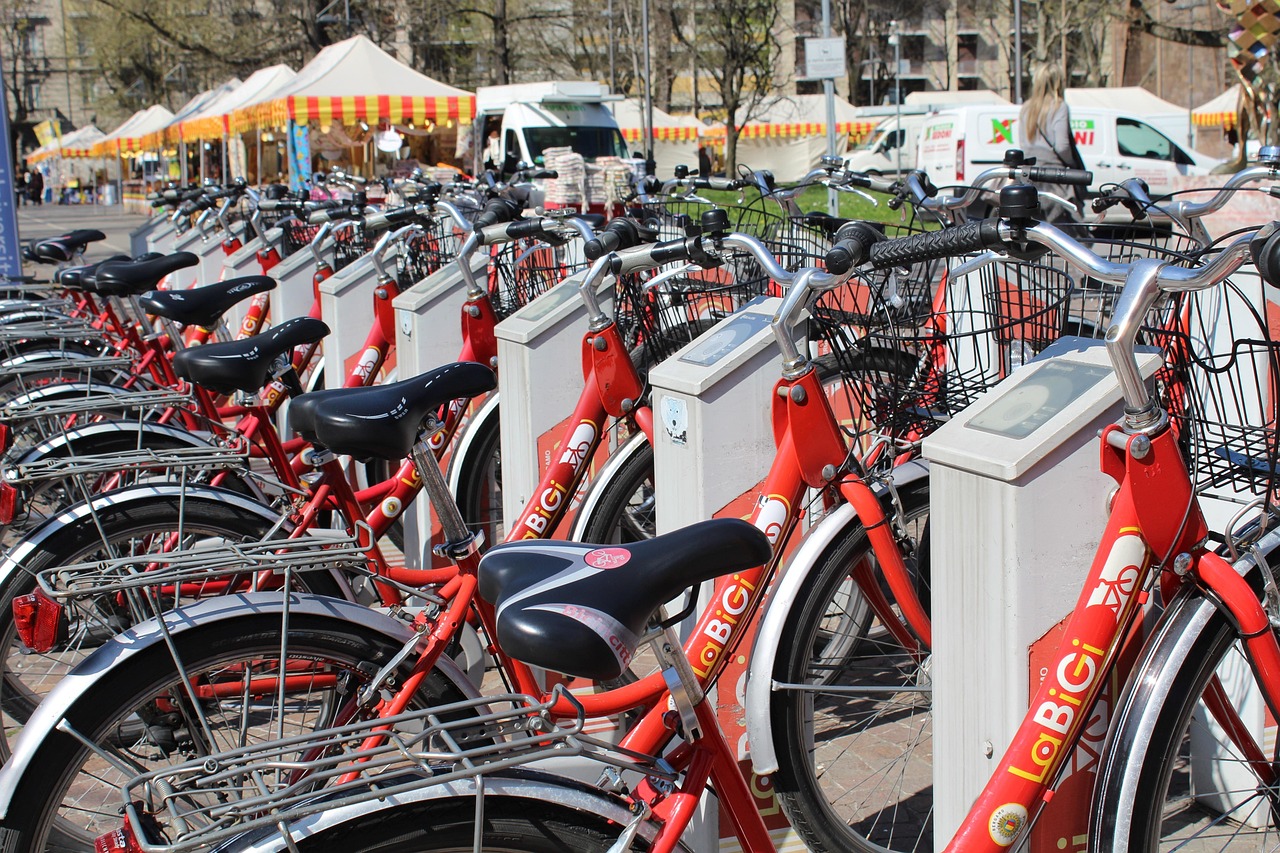
Sustainable transport refers to the use of transportation methods that minimize harm to the environment, conserve natural resources, and promote social equity. It encompasses a range of modes, including walking, cycling, public transport, and eco-friendly vehicles. The goal of sustainable transport is to reduce the negative impacts of transportation on the environment, while also improving the quality of life for individuals and communities.
Core Sustainable Transport Approaches
1. Public Transport
Public transport is a crucial component of sustainable transport, as it provides an efficient and environmentally friendly way to move large numbers of people. Well-designed public transport systems can reduce congestion, decrease air pollution, and promote social interaction.
- Key Benefits:
- Reduced carbon emissions
- Decreased air pollution
- Increased social interaction
- Improved traffic flow
- Challenges:
- High upfront costs
- Limited coverage in rural areas
- Potential for overcrowding
2. Eco-Friendly Vehicles
Eco-friendly vehicles, such as electric and hybrid cars, are becoming increasingly popular as a sustainable transport option. These vehicles produce significantly fewer emissions than traditional fossil fuel-powered cars, making them a more environmentally friendly choice.
- Key Benefits:
- Reduced carbon emissions
- Lower operating costs
- Improved air quality
- Government incentives
- Challenges:
- Higher upfront costs
- Limited charging infrastructure
- Battery durability concerns
| Vehicle Type | Emissions (g/mi) | Fuel Efficiency (mi/gal) |
|---|---|---|
| Gasoline-Powered Car | 404 | 25 |
| Hybrid Car | 214 | 43 |
| Electric Car | 0 | 119 |
Practical Takeaways
✔ Reduce carbon emissions
Sustainable transport can significantly reduce carbon emissions, which contribute to climate change. By adopting eco-friendly transportation methods, individuals can play a crucial role in mitigating this global problem.
✔ Improve air quality
Sustainable transport can also improve air quality by reducing the amount of pollutants released into the atmosphere. This can have a positive impact on public health, particularly in urban areas.
✔ Increase energy efficiency
Sustainable transport promotes energy efficiency, which can help reduce energy consumption and lower costs. This can also contribute to energy security and reduce dependence on fossil fuels.
✔ Enhance social interaction
Sustainable transport can promote social interaction, particularly through the use of public transport. This can help build stronger communities and foster a sense of social connection.
✔ Support economic growth
Sustainable transport can also support economic growth by providing access to employment, education, and healthcare. This can be particularly beneficial in rural areas where transportation options may be limited.
✔ Protect the environment
Ultimately, sustainable transport is essential for protecting the environment. By adopting eco-friendly transportation methods, individuals can help preserve natural resources, reduce pollution, and promote biodiversity.
How This Will Evolve
- Increased investment in sustainable transport infrastructure
- Growing demand for eco-friendly vehicles
- Improvements in public transport efficiency and coverage
- Development of new sustainable transport technologies
- Stricter regulations on emissions and pollution
- Greater emphasis on walking and cycling as transportation options
The Big Picture
Sustainable transport is a critical component of a sustainable future, and its importance cannot be overstated. As the world continues to grapple with the challenges of climate change, pollution, and energy depletion, the need for sustainable transport will only continue to grow. By adopting eco-friendly transportation methods and investing in sustainable transport infrastructure, individuals and communities can play a vital role in creating a more sustainable and environmentally friendly world.