70% of electric vehicle owners charge their vehicles at home, highlighting the need for efficient and reliable charging networks. The development of advanced strategies for charging networks is crucial for the widespread adoption of electric vehicles. Charging networks are evolving with new technologies and methods that improve efficiency and reduce costs. As the demand for electric vehicles continues to grow, the importance of efficient charging networks will only increase.
What Does Charging Network Mean?
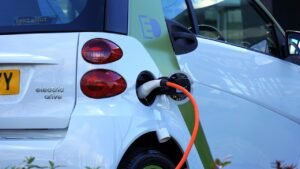
A charging network refers to the infrastructure and systems in place to support the charging of electric vehicles. This includes charging stations, payment systems, and software to manage the flow of energy. A well-designed charging network is essential for the widespread adoption of electric vehicles, as it provides drivers with convenient and reliable access to charging points.
Charging Network Methods Worth Knowing
1. Fast Charging
Fast charging is a method of charging that can replenish an electric vehicle’s battery to 80% in under 30 minutes. This method is particularly useful for long-distance driving, where drivers need to charge their vehicles quickly to continue their path.
- Strengths:
- Convenient for long-distance driving
- Can charge vehicles quickly
- Supports the adoption of electric vehicles
- What Needs Work:
- High upfront costs for installation
- Requires significant electrical infrastructure
- Can be expensive for drivers to use
2. Smart Charging
Smart charging refers to the use of advanced technologies to manage the flow of energy to electric vehicles. This can include systems that optimize charging times, reduce peak demand, and provide real-time information to drivers.
- Strengths:
- Optimizes charging times to reduce peak demand
- Provides real-time information to drivers
- Supports the integration of renewable energy sources
- What Needs Work:
- Requires significant investment in infrastructure
- Can be complex to implement and manage
- May require changes to driver behavior
| Charging Method | Charging Time | Cost |
|---|---|---|
| Fast Charging | 30 minutes | $10-$20 per charge |
| Smart Charging | Variable | $5-$15 per charge |
Why This Matters to You
✔ Convenience
Advanced charging networks provide drivers with convenient access to charging points, making it easier to own and operate an electric vehicle.
✔ Cost Savings
Smart charging and other advanced strategies can help reduce the cost of charging, making electric vehicles a more attractive option for drivers.
✔ Environmental Benefits
Electric vehicles produce zero tailpipe emissions, reducing air pollution and greenhouse gas emissions in urban areas.
✔ Increased Adoption
Advanced charging networks can support the widespread adoption of electric vehicles, reducing our reliance on fossil fuels and mitigating climate change.
✔ Improved Performance
Fast charging and other advanced strategies can improve the performance of electric vehicles, making them more competitive with traditional gasoline-powered vehicles.
The Road Ahead
- Increased investment in charging infrastructure
- Advancements in battery technology to improve range and efficiency
- Growing demand for electric vehicles, driving innovation and adoption
- Expansion of smart charging and other advanced strategies to optimize energy use
- Integration of renewable energy sources to power charging networks
- Development of new business models to support the growth of electric vehicle adoption
Worth Remembering
Charging networks are a critical component of the electric vehicle ecosystem, and their development will play a significant role in the widespread adoption of electric vehicles. As technology continues to evolve, it is essential to stay informed about the latest advancements in charging networks and their potential to transform the way we travel. The future of transportation is electric, and charging networks will be at the forefront of this revolution.