Introduction
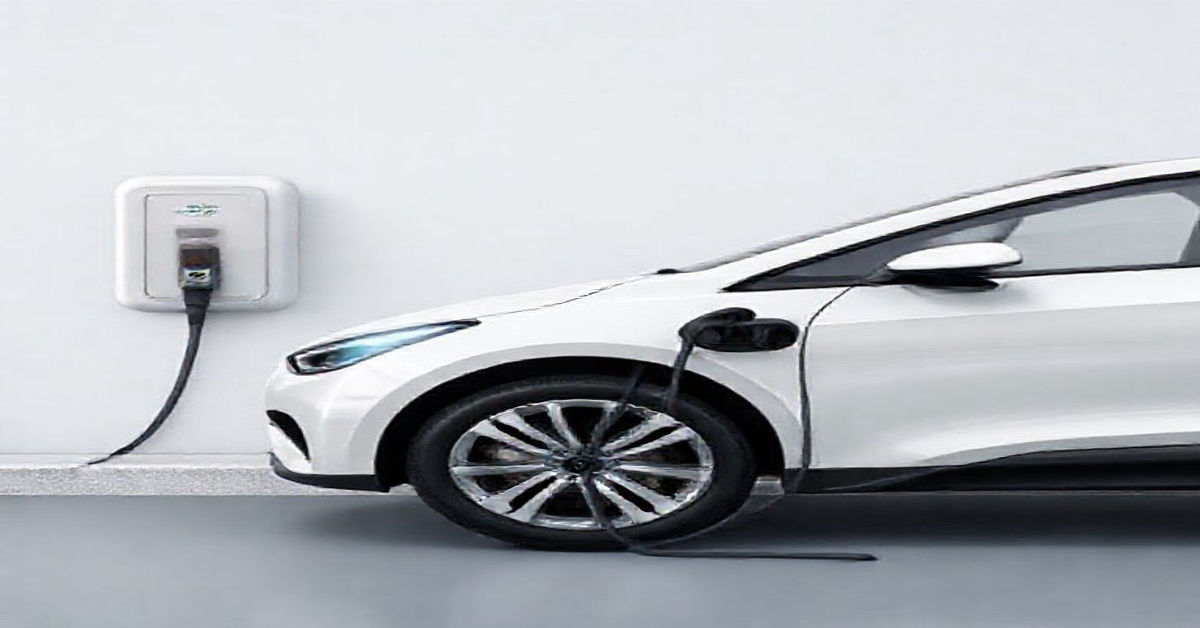
India is rapidly moving toward an electric mobility revolution, driven by sustainability goals, rising fuel costs, and government support. As the demand for electric vehicles (EVs) grows, innovations in EV charging infrastructure and battery technology are becoming crucial. These two components form the backbone of India’s electric ecosystem ensuring efficient power delivery, long-lasting batteries, and smooth adoption of green transportation. EV Charging and Battery Innovation is making electric cars faster to charge and easier to own.
The country has witnessed significant progress, with multiple start-ups, research institutions, and global companies contributing to EV advancements. From fast-charging networks to solid-state battery development, India’s EV industry is heading toward a more energy-efficient and environmentally friendly future. EV Charging and Battery Innovation helps reduce air pollution in cities.
The Growing Need for EV Charging and Battery Innovation
The push toward electric mobility is not just about replacing internal combustion engines; it’s about building a sustainable transportation ecosystem. With the Indian government targeting net-zero emissions by 2070, EV adoption is key to reducing dependence on fossil fuels and cutting carbon emissions. New EV Charging and Battery Innovation lets your car power your home during outages.
However, for EVs to become mainstream, challenges such as charging speed, battery cost, energy density, and infrastructure availability must be addressed. Innovative solutions in these areas will define the success of the EV revolution in India. EV Charging and Battery Innovation is lowering the cost of owning an electric vehicle.
India’s EV Market Overview
India’s EV market has seen exponential growth over the last few years. According to industry estimates, EV sales are expected to surpass 10 million units annually by 2030. The growth is particularly driven by two-wheelers and three-wheelers, followed by passenger cars and commercial vehicles.
| Segment | Key Manufacturers | Market Growth (2023–2030) | Adoption Drivers |
|---|---|---|---|
| Electric Two-Wheelers | Ola Electric, Ather Energy, TVS, Hero MotoCorp | High (40% CAGR) | Affordability, Daily Commuting |
| Electric Cars | Tata Motors, MG Motors, Hyundai | Moderate (25% CAGR) | Range Improvements, Urban Use |
| Electric Buses | Olectra Greentech, JBM Auto | Strong (30% CAGR) | Public Transport Electrification |
| Charging Infrastructure | Tata Power, Statiq, ChargeZone | Very High (45% CAGR) | Government Support, FAME-II Incentives |
This fast-paced market growth demands parallel advancements in battery performance and charging accessibility.
Evolution of EV Charging Infrastructure in India
Early Stage (Before 2019)
Before 2019, India had a limited number of charging points mainly concentrated in metro cities. EV adoption was slow due to limited consumer awareness and high upfront vehicle costs. Bidirectional charging is a breakthrough in EV Charging and Battery Innovation.
Acceleration Phase (2019–2025)
With the FAME-II (Faster Adoption and Manufacturing of Hybrid and Electric Vehicles) scheme, the Indian government began supporting EV infrastructure deployment. Public sector companies like NTPC, Indian Oil, and Bharat Petroleum joined hands to install charging points across highways and cities.
Future Stage (2026 and Beyond)
The focus is now shifting toward ultra-fast chargers, smart charging grids, and battery swapping networks. These innovations will make EV charging as convenient as refuelling traditional vehicles.
| Charging Type | Power Output | Average Charging Time | Common Use Case |
|---|---|---|---|
| Slow AC Charging | 3.3–7.4 kW | 4–6 hours | Home/Office Use |
| Fast DC Charging | 15–150 kW | 30–60 minutes | Public Stations |
| Ultra-Fast Charging | 150–350 kW | 10–20 minutes | Highways, Fleets |
| Battery Swapping | Instant | <5 minutes | Commercial Fleets, Delivery Vehicles |
Key Innovations in EV Charging Technology
-
Smart Charging Systems:
Smart chargers use IoT (Internet of Things) technology to optimize electricity usage, allowing vehicles to charge when energy demand is low. This helps balance the grid and reduce electricity costs. -
Vehicle-to-Grid (V2G) Technology:
V2G allows EVs to send unused energy back to the power grid, creating a two-way energy exchange. This system can help stabilize India’s power infrastructure during peak hours. -
Solar-Powered Charging Stations:
Integrating solar panels with EV charging units ensures renewable energy usage and reduces dependency on the conventional grid. Companies like Tata Power Solar and Magenta ChargeGrid are actively developing solar-based charging hubs. -
Wireless Charging Systems:
Though still in early stages, wireless or inductive charging eliminates cables by using magnetic fields to charge EVs automatically when parked on a charging pad. -
Mobile Charging Vans:
Portable charging solutions and vans are being deployed to assist EVs stranded with low battery levels. Start-ups like Hopcharge are providing on-demand charging services in Indian metros.
Government Initiatives to Boost EV Charging
The Indian government plays a crucial role in expanding charging infrastructure. Several policies and incentives have been introduced to attract investment and reduce costs for consumers.
| Initiative | Description | Key Benefits |
|---|---|---|
| FAME-II Scheme | ₹10,000 crore program promoting EVs and charging stations | Encourages EV purchase and infrastructure |
| National Electric Mobility Mission Plan (NEMMP) | Long-term roadmap for EV adoption | Sets emission and energy efficiency targets |
| Battery Swapping Policy | Introduced under NITI Aayog | Reduces waiting time for commercial EVs |
| State-Level Policies | States like Delhi, Tamil Nadu, and Maharashtra have specific EV policies | Subsidies for EV buyers and infrastructure providers |
These programs, coupled with the involvement of private players, are making EV charging more accessible across the country.
Battery Innovation in India: The Core of the EV Revolution
While charging networks are essential, the battery is the heart of every electric vehicle. Its cost, lifespan, and efficiency directly affect the overall adoption rate of EVs.
Current Battery Scenario
Most electric vehicles in India use Lithium-Ion batteries, which offer a good balance of energy density and weight. However, these batteries are still expensive and heavily dependent on imports, mainly from China, Japan, and South Korea.
Major Areas of Innovation
-
Solid-State Batteries:
Indian research institutions like IIT-Madras and IISc Bengaluru are exploring solid-state batteries that replace liquid electrolytes with solid ones, offering higher energy density and safety. Solid-state batteries are the next big step in EV Charging and Battery Innovation. -
Sodium-Ion Batteries:
Startups like Inverted Energy and Log9 Materials are developing sodium-ion batteries using abundant Indian raw materials like salt, reducing import dependency. Sodium-ion batteries are an exciting part of EV Charging and Battery Innovation. -
Battery Recycling Technology:
Companies such as Attero Recycling and Lohum Cleantech are building advanced recycling systems to recover lithium, cobalt, and nickel, helping reduce waste and raw material imports. -
Swappable Battery Systems:
Battery swapping allows quick replacement of depleted batteries with fully charged ones, ideal for delivery and public transport vehicles. -
Indigenous Cell Manufacturing:
The Indian government’s PLI (Production Linked Incentive) scheme promotes local manufacturing of advanced battery cells, aiming to produce 50 GWh of capacity by 2030.
| Battery Type | Key Advantage | Challenge | Indian Players |
|---|---|---|---|
| Lithium-Ion | High efficiency and reliability | Import dependency | Exide, Amara Raja |
| Solid-State | High safety and longevity | Cost and scalability | Research institutions |
| Sodium-Ion | Low cost, easy sourcing | Lower energy density | Log9 Materials, Inverted Energy |
| Zinc-Air | Lightweight, eco-friendly | Recharging complexity | Startups under testing |
Challenges in India’s EV Battery and Charging Ecosystem
Despite strong progress, several roadblocks remain:
-
High Battery Cost:
Batteries account for up to 40–50% of EV cost, limiting affordability. -
Limited Raw Materials:
India lacks large lithium and cobalt reserves, increasing reliance on imports. -
Charging Station Density:
While metro cities have good infrastructure, rural and highway areas still need expansion. -
Grid Load Management:
Large-scale EV adoption could strain India’s electricity grid if not properly managed through smart systems. -
Battery Disposal and Recycling:
Without proper recycling systems, battery waste could become an environmental hazard. -
Standardization Issues:
Multiple charging connectors and incompatible systems across manufacturers hinder interoperability.
Prominent Indian Companies Driving EV Charging and Battery Innovation
| Company | Focus Area | Key Contributions |
|---|---|---|
| Tata Power | Charging Infrastructure | 65,000+ public and home charging points |
| Ather Energy | Smart Chargers & Batteries | Proprietary Ather Grid and efficient battery design |
| Log9 Materials | Fast-Charging Batteries | RapidX technology enabling 15-minute charging |
| Amara Raja Batteries | Cell Manufacturing | Setting up lithium-ion giga factory in Telangana |
| Exicom Tele-Systems | Charging Solutions | EV fleet charging stations across cities |
| Ola Electric | Battery R&D | Working on indigenous battery cell development |
These companies are at the forefront of building India’s EV infrastructure through technological innovation and large-scale investment.
The Role of Start-ups in the EV Innovation Ecosystem
India’s start-up ecosystem has become a key driver of change. From battery analytics to charging software, startups are introducing creative solutions that address real-world EV challenges.
-
Statiq: Operates a network of smart charging stations with real-time availability tracking.
-
Charge+Zone: Focuses on highway-based fast-charging networks for long-range EVs.
-
Hopcharge: Provides doorstep EV charging through mobile charging vans.
-
Ion Energy: Offers battery management systems (BMS) for optimizing performance and safety.
-
Sun Mobility: Pioneers in battery swapping technology for commercial vehicles.
These companies are building the foundation for a sustainable and scalable EV ecosystem in India.
Future of EV Charging and Battery Technology in India
The next decade promises transformative advancements in both charging and battery sectors.
1. Fast and Ultra-Fast Charging
By 2030, ultra-fast chargers will reduce EV charging times to 10 minutes or less, making electric mobility more convenient for long-distance users.
2. Renewable-Powered Charging Networks
The combination of solar, wind, and storage technologies will make charging stations fully sustainable, reducing carbon footprints.
3. Advanced Battery Chemistries
Research on graphene, solid-state, and metal-air batteries will lead to higher efficiency, longer ranges, and safer EVs.
4. AI-Based Battery Management
Artificial intelligence will help monitor, predict, and enhance battery performance in real time, improving reliability and lifespan.
5. Circular Economy for Batteries
Efficient recycling and reuse of battery materials will reduce costs and environmental impact, creating a self-sustaining EV ecosystem.
Consumer Awareness and Adoption
Consumer education plays a vital role in accelerating EV adoption. Many potential buyers still have misconceptions about charging time, cost, and battery safety.
To counter this, automakers and government agencies are investing in:
-
Public demonstration programs
-
Awareness campaigns on cost savings and environmental benefits
-
Transparent information about charging locations and tariffs
As consumer confidence increases, EV adoption will naturally accelerate.
The Road Ahead
India’s EV transformation depends on a multi-layered approach involving technology, policy, and public participation. The synergy between government incentives, private investments, and scientific innovation will define the future of electric mobility.
With the continued focus on battery innovation and charging network expansion, India is poised to become one of the largest EV markets globally by 2030. The shift is not just technological — it represents a sustainable movement toward a cleaner, greener, and smarter future. EV Charging and Battery Innovation makes apartment charging fair and safe for everyone.
Conclusion
EV charging and battery innovation form the twin pillars of India’s electric mobility revolution. As technology advances and infrastructure scales up, the barriers to EV adoption will steadily fade away. India’s commitment to sustainability, supported by strong policy frameworks and industry innovation, ensures that the future of transportation is electric, efficient, and eco-friendly.
The nation stands at a turning point and with every charging station built and every new battery developed, India moves closer to achieving a truly sustainable mobility ecosystem. Plug-and-charge technology is a result of EV Charging and Battery Innovation.