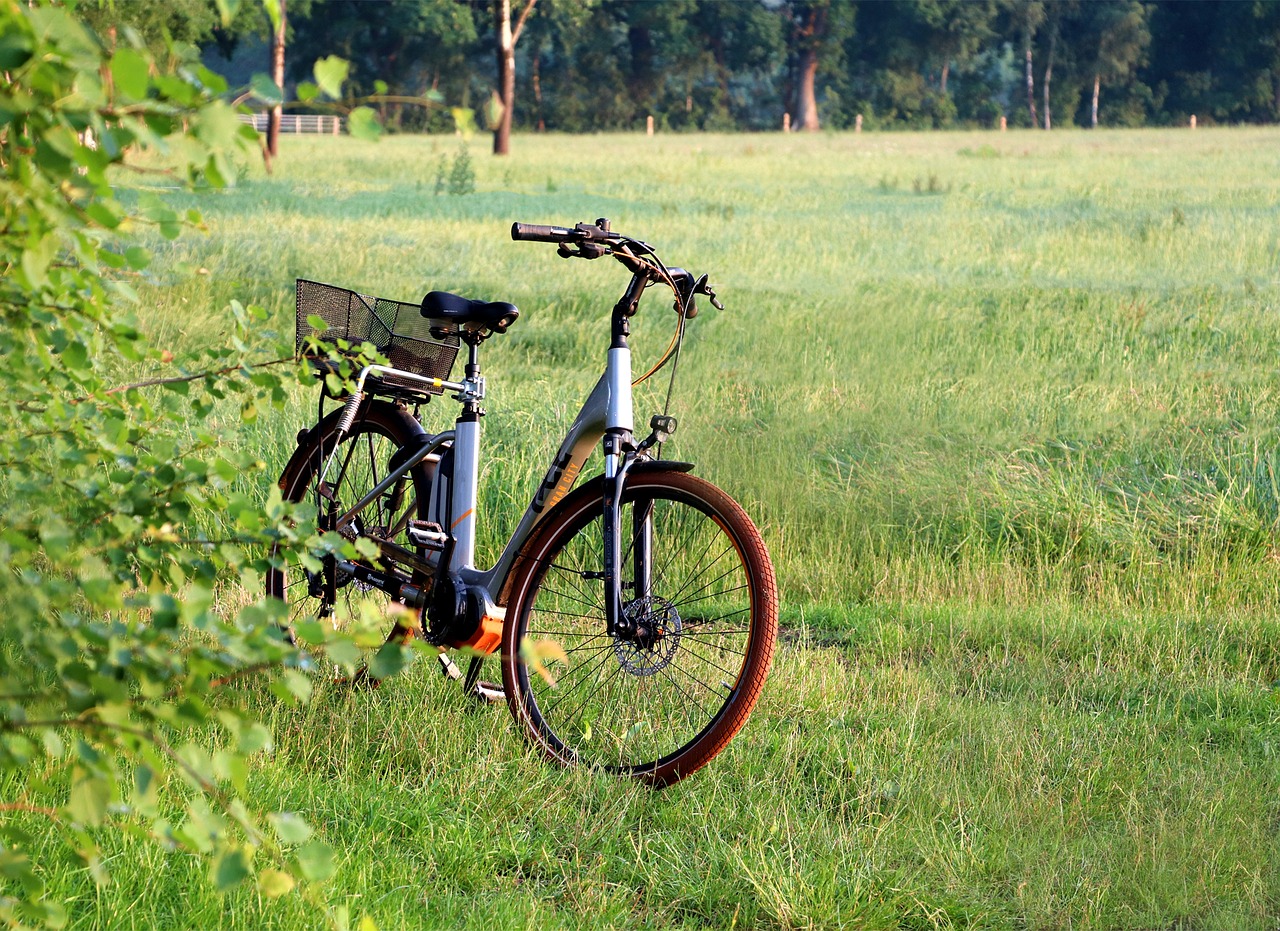
It is often assumed that e-bikes are simply bicycles with an electric motor, but this oversimplification does not capture the complexity and innovation of these vehicles. E-bikes have evolved significantly over the years, incorporating advanced technology and design elements that cater to diverse needs and preferences. The e-bike market has experienced rapid growth, driven by increasing environmental awareness and the quest for sustainable transportation solutions. As the world becomes more conscious of its carbon footprint, e-bikes are poised to play a significant role in the future of personal transportation.
A Closer Look at E-bikes
An e-bike, short for electric bicycle, is a bicycle with an integrated electric motor and battery that assists the rider’s pedal-power. E-bikes can be powered exclusively by the electric motor, by pedaling, or a combination of both. They are designed to provide an eco-friendly, cost-effective, and healthy mode of transportation, suitable for commuting, recreational activities, and sports. The versatility and adaptability of e-bikes have made them increasingly popular worldwide.
Major E-bike Developments
1. Technological Advancements
Technological advancements have been a cornerstone in the evolution of e-bikes. Innovations in battery technology, motor design, and electronic controls have significantly improved the performance, efficiency, and durability of e-bikes. These advancements have enabled the production of lighter, faster, and more reliable e-bikes that cater to a wide range of consumer preferences.
- Advantages:
- Enhanced performance and speed
- Improved battery life and charging efficiency
- Advanced safety features and control systems
- Known Issues:
- Potential for higher costs associated with advanced technology
- Dependence on battery technology for range and reliability
2. Regulatory Frameworks
Regulatory frameworks have played a crucial role in shaping the e-bike industry. Governments worldwide have implemented various regulations to ensure the safe use of e-bikes, define their legal status, and encourage their adoption as a sustainable mode of transportation. These regulations often address speed limits, helmet requirements, and access to bike lanes and roads.
- Advantages:
- Clarifies the legal status of e-bikes for riders and manufacturers
- Encourages the adoption of e-bikes for environmental and health benefits
- Enhances safety standards for e-bike design and operation
- Known Issues:
- Variability in regulations across different regions and countries
- Potential for overly restrictive regulations to hinder market growth
| E-bike Type | Top Speed | Assist Mode |
|---|---|---|
| Pedal Assist | Up to 28 mph | Pedaling required for electric assist |
| Power-on-Demand | Varying, up to 28 mph in many jurisdictions | Electric power available via throttle or button |
| Speed Pedelec | Up to 45 km/h (28 mph) | Pedaling required, assistance up to higher speeds |
Why People Are Paying Attention
✔ Environmental Benefits
E-bikes offer a zero-emission mode of transportation, reducing carbon footprint and contributing to cleaner, healthier cities. As environmental concerns grow, e-bikes are seen as a practical solution for daily commuting and short trips.
✔ Health Benefits
Riding an e-bike promotes physical activity, improving cardiovascular health and mental well-being. The ability to choose between electric assistance and pedaling allows riders to tailor their exercise level to their fitness goals.
✔ Cost-Effectiveness
E-bikes can significantly reduce transportation costs, including fuel, parking, and maintenance, making them an attractive option for both individuals and businesses looking to cut expenses.
✔ Convenience and Accessibility
E-bikes provide an accessible mode of transportation for people of all ages and fitness levels, allowing for easier navigation of urban environments and rural terrains alike.
✔ Traffic Reduction and Infrastructure
By encouraging the use of e-bikes, cities can potentially reduce traffic congestion and invest in more bike-friendly infrastructure, enhancing the quality of life for residents and promoting sustainable urban planning.
✔ Innovation and Customization
The e-bike market is characterized by continuous innovation and customization options, offering consumers a wide range of styles, functionalities, and accessories to suit their preferences and needs.
Looking Ahead
- Increased investment in e-bike infrastructure, including bike lanes and charging stations
- Further advancements in battery technology, leading to longer ranges and faster charging times
- Expansion of e-bike sharing systems in urban areas, enhancing accessibility and convenience
- Growing adoption of e-bikes in the delivery and logistics sector for sustainable and efficient operations
- Development of smart e-bikes with integrated technology for enhanced safety, navigation, and connectivity
- Potential for e-bikes to play a key role in future mobility solutions, including integration with public transportation systems
Worth Remembering
The evolution of e-bikes reflects a broader shift towards sustainable and innovative transportation solutions. As technology continues to advance and consumer preferences evolve, e-bikes are poised to remain at the forefront of the transportation revolution, offering a unique blend of environmental sustainability, health benefits, and convenience.
The future of e-bikes is closely tied to regulatory support, technological innovation, and consumer adoption. As governments, manufacturers, and individuals work together to promote and develop the e-bike industry, the potential for e-bikes to transform the way we travel and interact with our environments becomes increasingly evident.
Ultimately, the story of e-bikes serves as a testament to human ingenuity and the quest for a more sustainable, connected, and mobile world.