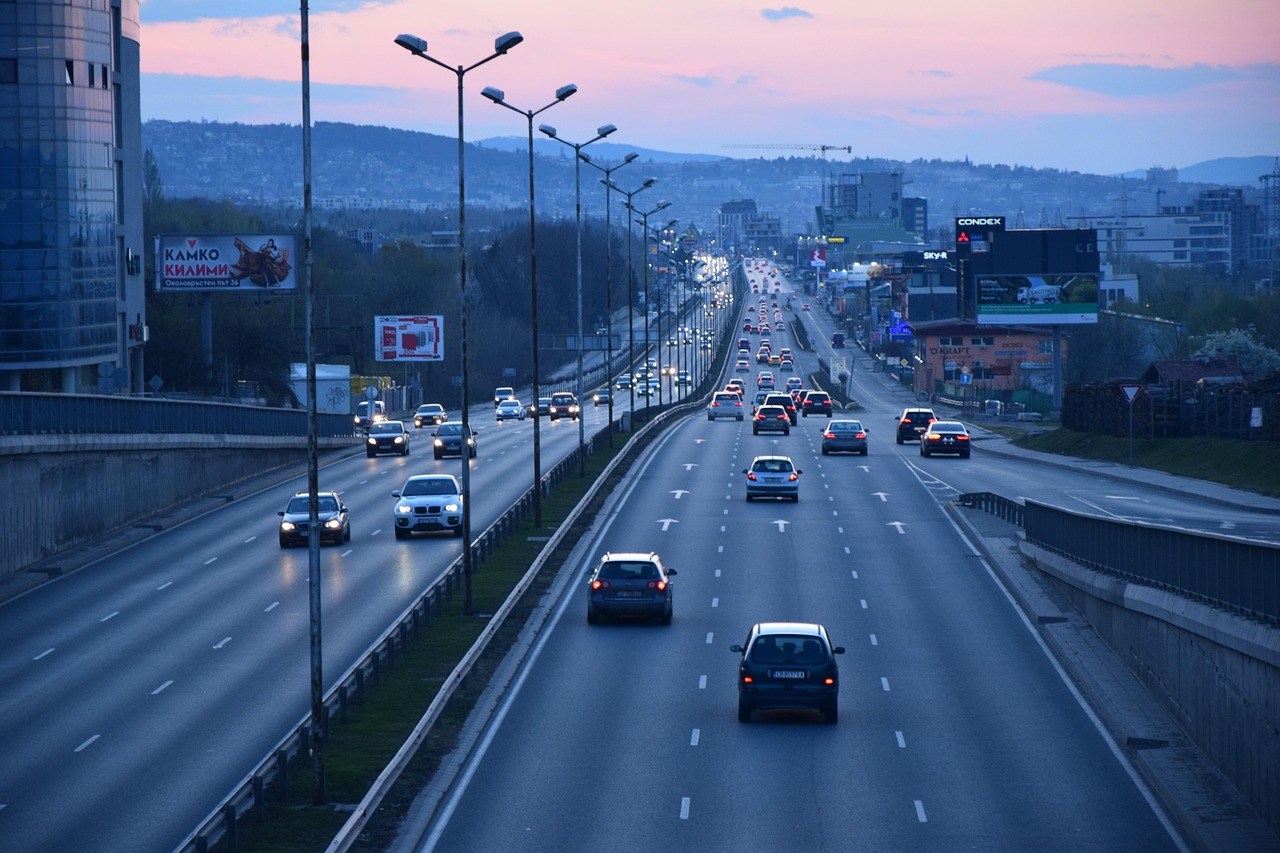
Commuting is a daily necessity for millions of people around the world, often causing significant frustration and negatively impacting productivity. The time spent traveling to and from work can be substantial, affecting not only the individual but also their family and social life. As cities continue to grow and expand, understanding commuting and its challenges becomes increasingly important for developing effective solutions. The impact of commuting on mental and physical health, as well as on the environment, makes it a critical area of study and improvement.
What Does Commuting Mean?
Commuting refers to the regular travel between home and a workplace, often undertaken on a daily basis. It involves the use of various modes of transportation such as cars, buses, trains, bicycles, or walking. The commute can vary significantly in duration and distance, depending on factors like the location of the residence, the workplace, and the available transportation options. Efficient commuting systems are essential for the functioning of modern societies, as they enable the movement of labor to where it is needed, supporting economic activity and development.
Leading Commuting Solutions
1. Public Transportation
Public transportation is one of the most common commuting solutions worldwide. It includes buses, trains, subways, and ferries, offering an affordable and relatively efficient way to travel, especially in densely populated urban areas. By providing a shared mode of transportation, public transit can significantly reduce the number of private vehicles on the road, thereby decreasing traffic congestion and air pollution.
- Plus Points:
- Affordability: Public transportation is generally cheaper than owning and maintaining a personal vehicle.
- Environmental Benefits: Reduces the number of cars on the road, leading to lower emissions and less air pollution.
- Efficiency: Can move a large number of people at once, making it a time-efficient option for many commuters.
- Known Issues:
- Dependence on Schedules: Commuters must adhere to fixed schedules, which can be inflexible.
- Crowding: High demand can lead to overcrowding, especially during peak hours.
- Reliability: Service disruptions can occur due to mechanical issues, accidents, or operational errors.
2. Carpooling and Ride-Sharing
Carpooling and ride-sharing have become increasingly popular as commuting solutions. These services allow multiple individuals traveling to similar destinations to share a vehicle, reducing the number of cars on the road and lowering emissions. They also offer a more affordable option than driving alone and can provide companionship during the commute.
- Plus Points:
- Cost Savings: Reduces fuel and parking costs by splitting them among riders.
- Environmental Impact: Decreases the number of vehicles on the road, leading to lower pollution levels.
- Social Benefits: Offers an opportunity to meet new people and reduce the solitude of commuting.
- Known Issues:
- Coordination Challenges: Requires planning and coordination among participants to ensure smooth operation.
- Dependence on Others: The reliability of the carpool or ride-share depends on the punctuality and commitment of all participants.
- Limited Flexibility: Once a carpool or ride-share is established, changing schedules or routes can be difficult.
| Commuting Method | Average Cost | Environmental Impact |
|---|---|---|
| Public Transportation | Low to Moderate | Low |
| Carpooling/Ride-Sharing | Moderate | Moderate |
| Private Vehicle | High | High |
How This Affects Everyday Life
✔ Reduced Stress
Effective commuting solutions can significantly reduce the stress associated with traveling to and from work, improving overall well-being.
✔ Increased Productivity
By providing more efficient and reliable transportation options, commuting solutions can enable individuals to make better use of their time, potentially increasing productivity.
✔ Environmental Conservation
Commuting solutions that reduce the reliance on private vehicles contribute to lowering emissions and conserving the environment, which is crucial for future generations.
✔ Economic Benefits
Efficient commuting systems can support economic growth by facilitating the movement of workers to their places of employment, thereby contributing to the overall economy.
✔ Improved Work-Life Balance
By reducing the time and stress associated with commuting, individuals can achieve a better balance between their work and personal life, leading to improved quality of life.
✔ Enhanced Community Interaction
Shared commuting experiences, such as carpooling or using public transportation, can foster community interaction and a sense of camaraderie among commuters.
How This Will Evolve
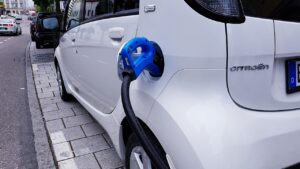
- Increased Adoption of Electric and Hybrid Vehicles: Expected to reduce environmental impact further.
- Expansion of Public Transportation Networks: Will provide more efficient and accessible commuting options.
- Advancements in Ride-Sharing and Carpooling Technologies: Aimed at making these services more convenient and widely available.
- Growth of Remote Work Options: Could potentially reduce the need for daily commuting, impacting urban planning and development.
- Integration of Autonomous Vehicles: May revolutionize personal transportation, offering safer and more efficient commuting solutions.
- Enhanced Focus on Sustainable Transportation: Including cycling and walking infrastructure, to promote healthier and more environmentally friendly commuting habits.
The Bottom Line
Commuting is a critical aspect of daily life that affects individuals, communities, and the environment. Developing and implementing effective commuting solutions is essential for improving quality of life, supporting economic activity, and conserving the environment. As technology and societal needs evolve, so too will the nature of commuting, with a likely shift towards more sustainable, efficient, and interconnected transportation systems.