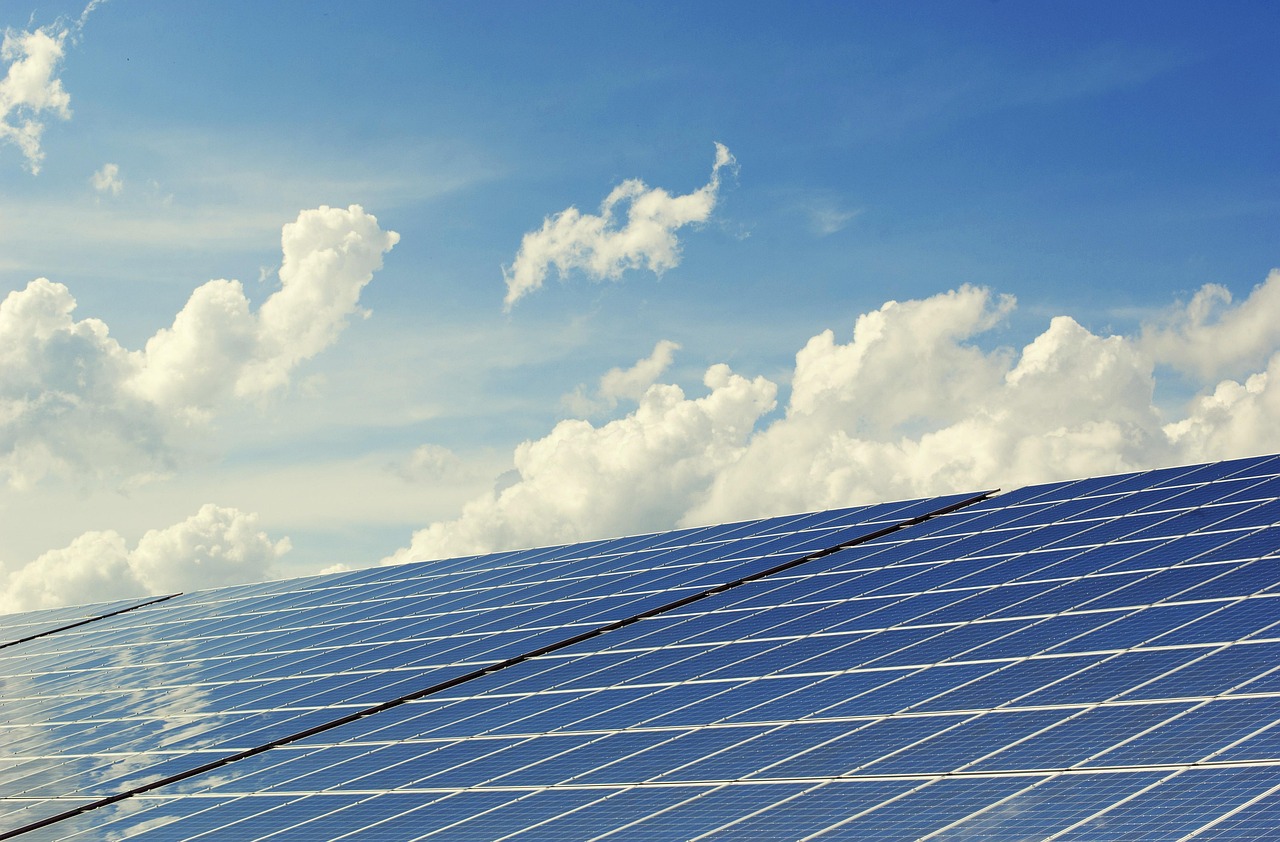
Approximately 80% of the world’s energy consumption comes from fossil fuels, despite the growing demand for renewable energy sources. In recent years, the cost of renewable energy has decreased significantly, making it more competitive with traditional energy sources. However, integrating renewable energy into the grid remains a complex challenge. The world’s largest solar farm, located in India, spans over 10 square miles and can power up to 150,000 homes.
Rapid advancements in technology have made renewable energy a viable option for many countries, with some even setting ambitious targets to become carbon neutral in the near future. As the world continues to transition towards renewable energy, it is essential to develop and implement effective integration strategies. The integration of renewable energy sources into the grid is crucial for reducing greenhouse gas emissions and mitigating climate change.
The importance of renewable energy integration cannot be overstated, as it has the potential to transform the way energy is generated, distributed, and consumed. With the global energy demand projected to increase by 30% by 2040, renewable energy integration will play a critical role in meeting this demand while reducing the environmental impact of energy production.
What Is Renewable Energy Integration?
Renewable energy integration refers to the process of incorporating renewable energy sources, such as solar and wind power, into the existing energy grid. This involves developing and implementing strategies to ensure the efficient and reliable transmission, distribution, and consumption of renewable energy. Renewable energy integration requires a multidisciplinary approach, involving expertise from fields such as engineering, economics, and policy.
Key Renewable Energy Advancements
1. Smart Grids
Smart grids are advanced energy management systems that enable real-time monitoring and control of energy distribution and consumption. They play a critical role in renewable energy integration by providing a flexible and responsive platform for managing the variable output of renewable energy sources.
- Strengths:
- Improved energy efficiency
- Enhanced grid resilience
- Increased consumer engagement
- Challenges:
- High upfront costs
- Complexity of implementation
- Cybersecurity risks
2. Energy Storage Systems
Energy storage systems, such as batteries and pumped hydro storage, are essential for mitigating the intermittency of renewable energy sources. They enable excess energy to be stored during periods of low demand and released during periods of high demand.
- Strengths:
- Improved grid stability
- Increased renewable energy penetration
- Reduced energy costs
- Challenges:
- High costs
- Limited scalability
- Technological limitations
| Energy Storage Technology | Capacity (MWh) | Cost ($/kWh) |
|---|---|---|
| Lithium-ion batteries | 100 | 200 |
| Pumped hydro storage | 1000 | 50 |
The Impact on Consumers
✔ Reduced energy costs
Renewable energy integration can lead to reduced energy costs for consumers, as the cost of renewable energy sources such as solar and wind power continues to decrease.
✔ Increased energy independence
Renewable energy integration enables consumers to generate their own energy, reducing their reliance on the grid and enhancing their energy independence.
✔ Improved air quality
Renewable energy integration can lead to improved air quality, as renewable energy sources such as solar and wind power produce little to no emissions.
✔ Enhanced grid resilience
Renewable energy integration can enhance grid resilience, as smart grids and energy storage systems enable real-time monitoring and control of energy distribution and consumption.
✔ Increased consumer engagement
Renewable energy integration enables consumers to take an active role in energy management, through the use of smart home devices and energy monitoring systems.
✔ Reduced greenhouse gas emissions
Renewable energy integration can lead to reduced greenhouse gas emissions, as renewable energy sources such as solar and wind power produce little to no emissions.
Upcoming Trends
- Increased adoption of smart grids and energy storage systems
- Growing demand for electric vehicles and renewable energy-powered transportation
- Development of new renewable energy technologies, such as floating wind turbines and space-based solar power
- Increased focus on energy efficiency and building insulation
- Growing importance of cybersecurity in renewable energy integration
- Development of community-based renewable energy projects and cooperatives
Wrapping Up
Renewable energy integration is a critical component of a sustainable energy future, enabling the efficient and reliable transmission, distribution, and consumption of renewable energy. As technology continues to evolve and costs decrease, the potential for renewable energy integration will only continue to grow.
The development and implementation of effective renewable energy integration strategies will be essential for mitigating climate change and ensuring a sustainable energy future.
By prioritizing renewable energy integration, governments, industries, and consumers can work together to create a more sustainable and equitable energy system for all.