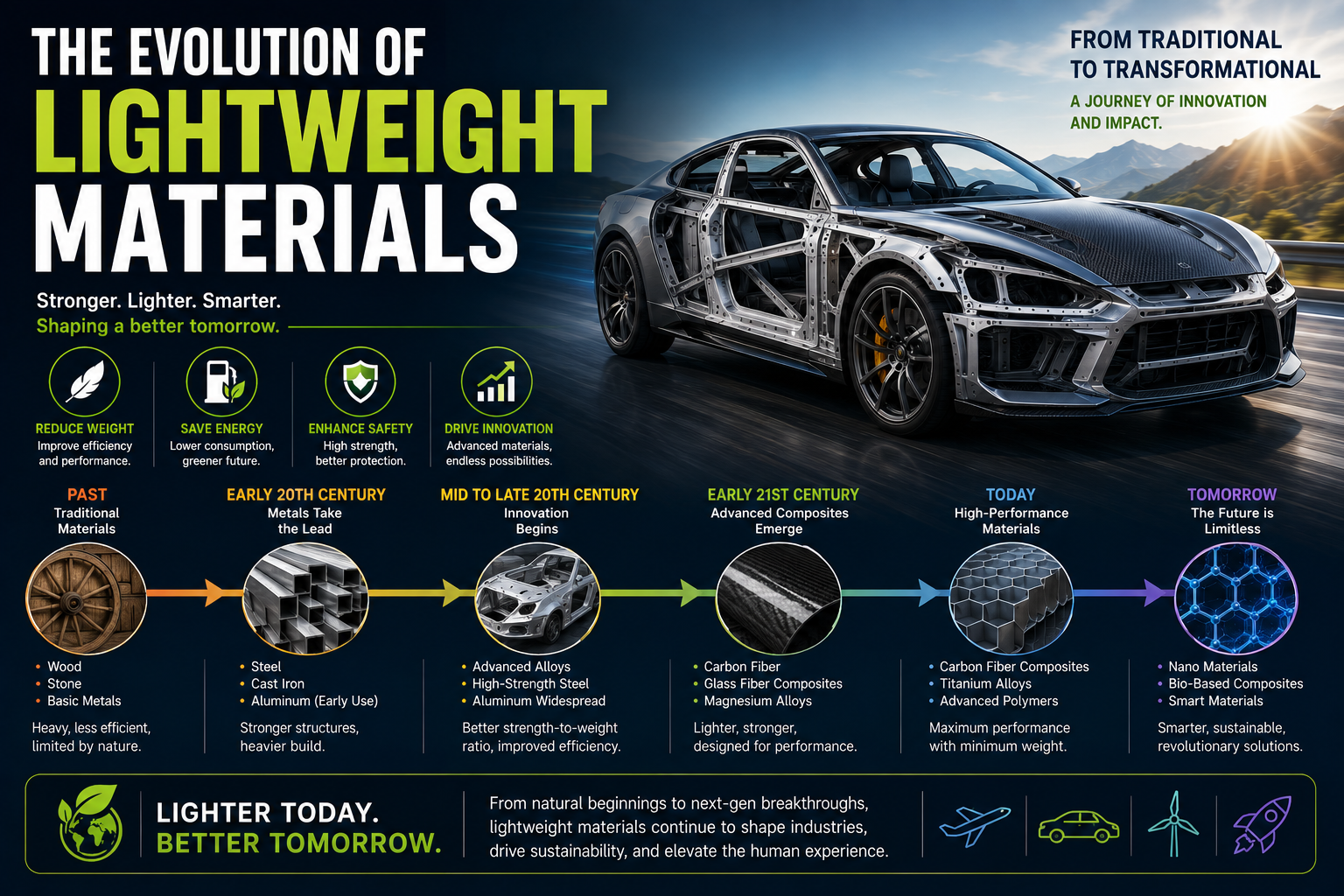
The introduction of lightweight materials has revolutionized various sectors, including construction, automotive, and aerospace, by providing improved strength-to-weight ratios, enhanced durability, and reduced environmental impact. For instance, the use of lightweight composites in aircraft has led to significant fuel savings and decreased emissions. In contrast, traditional materials often result in increased energy consumption, higher costs, and a larger carbon footprint. The shift towards lightweight materials has been instrumental in driving innovation and sustainability across industries.
The Basics of Lightweight Materials
Lightweight materials are defined as substances that exhibit a high strength-to-weight ratio, making them ideal for applications where weight reduction is crucial. These materials can be classified into several categories, including polymers, composites, and advanced ceramics. The unique properties of lightweight materials enable them to withstand various stresses and strains while maintaining their structural integrity, thereby reducing the overall weight of a product or system.
Leading Lightweight Solutions
1. Carbon Fiber Reinforced Polymers (CFRP)
CFRP is a popular lightweight material used in the aerospace and automotive industries due to its exceptional strength, stiffness, and resistance to fatigue. CFRP is composed of carbon fibers embedded in a polymer matrix, which provides a high degree of customization and versatility.
- What You Gain:
- Improved fuel efficiency and reduced emissions
- Enhanced durability and extended lifespan
- Increased design flexibility and customization options
- Challenges:
- High production costs and limited availability
- Difficulty in repairing and recycling CFRP components
- Potential for material degradation over time
2. Advanced Ceramics
Advanced ceramics are a class of lightweight materials that exhibit exceptional hardness, thermal resistance, and corrosion resistance. These materials are commonly used in the aerospace, automotive, and industrial sectors for applications such as engine components, thermal insulation, and wear-resistant coatings.
- What You Gain:
- Improved thermal management and reduced heat transfer
- Enhanced wear resistance and extended component lifespan
- Increased design flexibility and customization options
- Challenges:
- High production costs and limited availability
- Difficulty in machining and finishing ceramic components
- Potential for material brittleness and fracture
| Material | Density (g/cm³) | Strength-to-Weight Ratio |
|---|---|---|
| CFRP | 1.5-2.0 | 100-150 MPa/(g/cm³) |
| Advanced Ceramics | 3.0-4.0 | 50-100 MPa/(g/cm³) |
The Impact on Consumers
✔ Improved Fuel Efficiency
The use of lightweight materials in vehicles has led to significant reductions in fuel consumption, resulting in lower operating costs and decreased emissions.
✔ Enhanced Durability
Lightweight materials have improved the overall durability and lifespan of products, reducing the need for frequent repairs and replacements.
✔ Increased Design Flexibility
The unique properties of lightweight materials have enabled the creation of innovative products with complex geometries and customized designs.
✔ Reduced Environmental Impact
The adoption of lightweight materials has contributed to a decrease in greenhouse gas emissions and waste generation, promoting a more sustainable future.
✔ Lower Production Costs
The use of lightweight materials has reduced production costs by minimizing material waste, optimizing manufacturing processes, and improving product yield.
✔ Improved Safety
Lightweight materials have enhanced the safety of products by providing improved crashworthiness, reduced risk of injury, and increased protection against environmental hazards.
What Researchers Are Working On
- Developing new lightweight materials with enhanced strength-to-weight ratios
- Improving the recyclability and reusability of lightweight materials
- Creating advanced composites with tailored properties for specific applications
- Investigating the use of biomimetic materials and structures for inspiration
- Enhancing the durability and lifespan of lightweight materials through surface treatments and coatings
- Exploring the potential of additive manufacturing for producing complex lightweight components
The Big Picture
The development and adoption of lightweight materials have transformed numerous industries, offering improved performance, reduced energy consumption, and lower costs. As research continues to advance, the potential for innovation and sustainability will only continue to grow, driving a brighter future for generations to come. The impact of lightweight materials will be felt across various sectors, from consumer products to industrial applications, and will play a vital role in shaping the course of human progress.