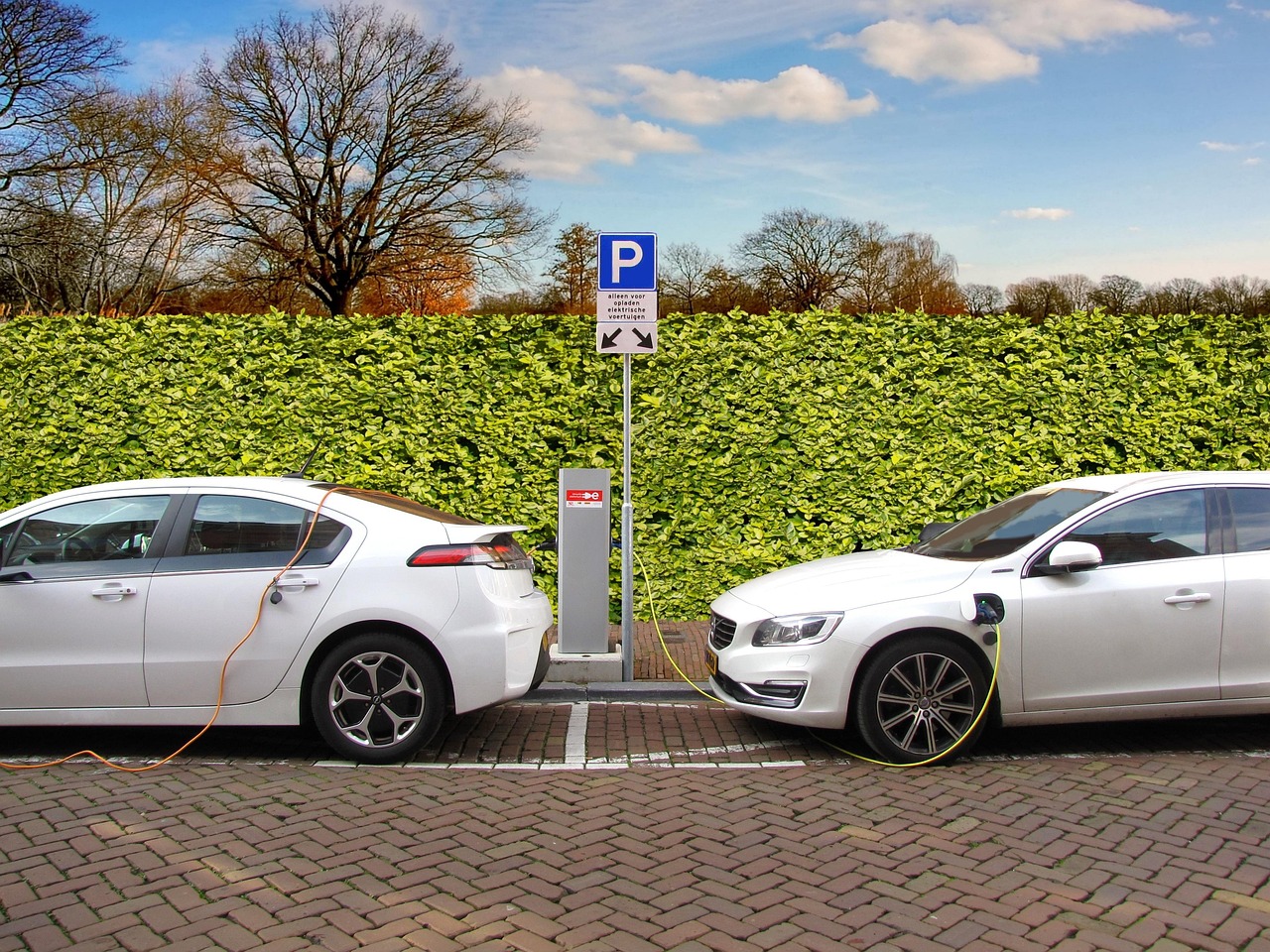
70% of electric vehicle owners charge their vehicles at home, highlighting the importance of Electric Vehicle Supply Equipment (EVSE) in the electric vehicle industry. The demand for EVSE is expected to rise as more people switch to electric vehicles. In 2020, there were over 7 million electric vehicles on the road worldwide, with this number projected to reach 140 million by 2030. As the electric vehicle market continues to grow, the need for reliable and efficient EVSE becomes increasingly important.
Defining EVSE
Electric Vehicle Supply Equipment (EVSE) refers to the infrastructure used to charge electric vehicles. This includes charging stations, connectors, and other equipment necessary for the transfer of electrical energy from a power source to an electric vehicle. EVSE can be categorized into two main types: Level 1 and Level 2 charging, with Level 1 being the most basic and Level 2 being faster and more common. Understanding the different types of EVSE is essential for electric vehicle owners and manufacturers alike.
Leading EVSE Solutions
1. ChargePoint
ChargePoint is one of the leading providers of EVSE solutions, offering a range of charging stations and services for both residential and commercial use.
- Advantages:
- Fast and reliable charging
- Easy to use and maintain
- Compatible with a wide range of electric vehicles
- Challenges:
- Higher upfront costs compared to some other solutions
- Requires a dedicated 240-volt electrical circuit
2. Tesla Supercharger
The Tesla Supercharger is a high-speed charging network designed specifically for Tesla vehicles.
- Advantages:
- Fast charging speeds, with some stations capable of charging at rates of up to 250 kW
- Convenient and widespread network of charging stations
- Integrated into Tesla’s vehicle navigation system for easy route planning
- Challenges:
- Exclusive to Tesla vehicles, limiting its use for other electric vehicle owners
- Higher costs for non-Tesla vehicles to use the network
The following table summarizes the key features of leading EVSE solutions:
| Solution | Charging Speed | Compatibility | Cost |
|---|---|---|---|
| ChargePoint | Up to 50 kW | Most electric vehicles | $500 – $1,500 |
| Tesla Supercharger | Up to 250 kW | Tesla vehicles only | $0 – $0.28 per kWh |
The Impact on Consumers
✔ Increased convenience
EVSE provides electric vehicle owners with the convenience of charging their vehicles at home or on the go, reducing the need for frequent stops at gas stations.
✔ Reduced greenhouse gas emissions
By promoting the use of electric vehicles, EVSE helps to reduce greenhouse gas emissions and contribute to a more sustainable environment.
✔ Improved air quality
Electric vehicles produce zero tailpipe emissions, resulting in improved air quality and a reduction in air pollution-related health problems.
✔ Lower operating costs
Electric vehicles are generally cheaper to operate than gasoline-powered vehicles, with lower fuel and maintenance costs.
✔ Government incentives
Many governments offer incentives, such as tax credits or rebates, to encourage the adoption of electric vehicles and EVSE.
✔ Increased property values
The installation of EVSE can increase property values, particularly in areas with high demand for electric vehicle charging infrastructure.
What’s Coming
- Increased adoption of fast-charging technology, with charging speeds of up to 350 kW
- Expansion of EVSE networks into rural and underserved areas
- Development of new EVSE technologies, such as wireless charging and battery swapping
- Growing demand for smart charging systems that can optimize energy usage and reduce strain on the grid
- Increased focus on sustainability and environmental impact in the development of EVSE solutions
- More affordable and accessible EVSE options for residential and commercial use
Key Takeaways
EVSE is a critical component of the electric vehicle industry, providing the necessary infrastructure for charging electric vehicles. As the demand for electric vehicles continues to grow, the need for reliable and efficient EVSE solutions becomes increasingly important. By understanding the leading EVSE solutions and their impact on consumers, individuals and businesses can make informed decisions about their electric vehicle charging needs.